
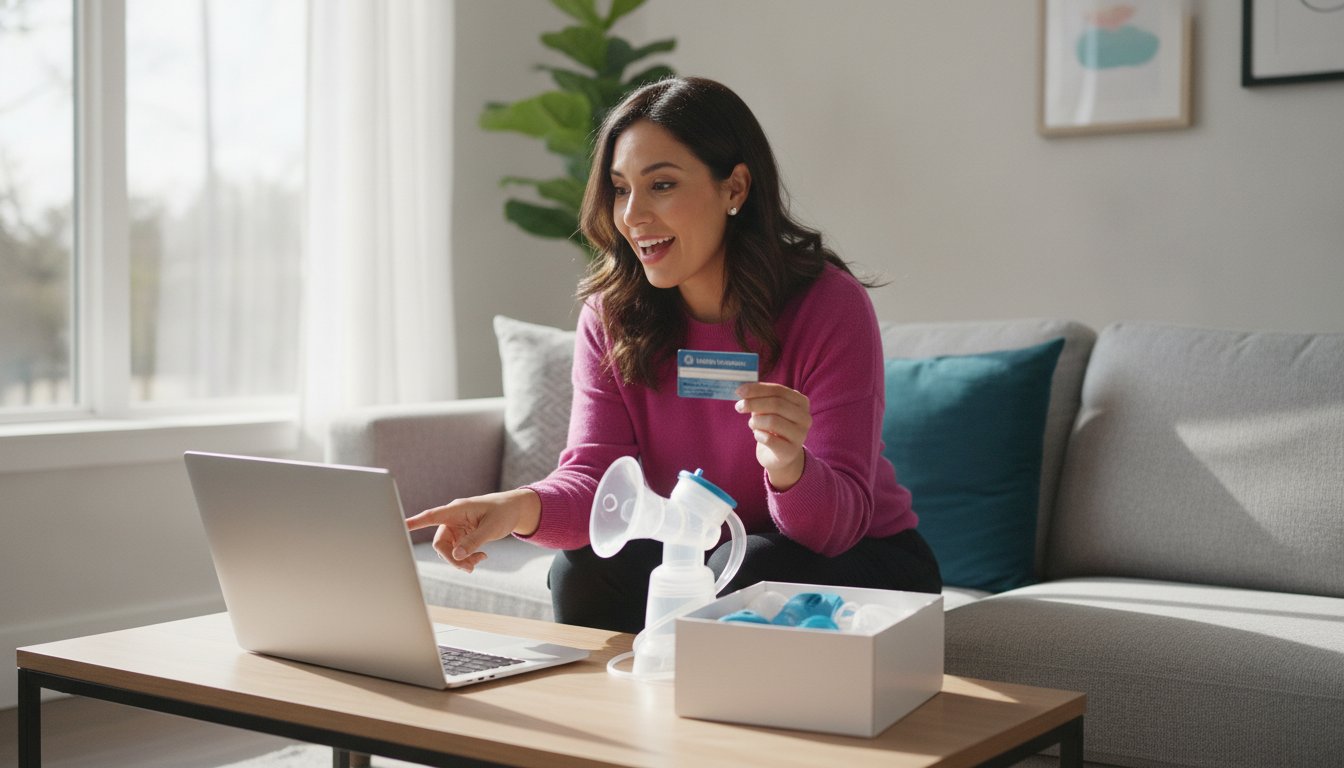
You are scrolling through your phone at 2 AM, rocking a restless baby, when a brightly colored ad pops up promising a high-end breast pump for zero dollars. It feels like a total internet trap, right? You might find yourself wondering, is “free breastpumps” a scam, or did you just stumble upon a rare parenting win?
I’ve been in that exact spot, feeling skeptical and protective of my family’s privacy. When you’re already dealing with “mom brain” and a mountain of laundry, the last thing you want is to hand over your personal info to a sketchy website. It’s hard to trust anything that claims to be free when life feels so expensive right now.
The truth is that most of these offers are actually a real legal benefit provided by the Affordable Care Act (AKA ObamaCare). This law requires most health plans to provide breastfeeding support and equipment without a co-pay, though the specific models available can vary depending on your provider. These regulations were designed to ensure every new parent has the tools they need for a healthy start.
We’re going to clear up the confusion so you can claim your pump with total confidence. I’ll show you how to identify trusted medical suppliers, explain what your insurance actually covers, and give you a simple checklist to get your gear delivered right to your door.
Key Takeaways
- Discover why the answer to the question, is “free breastpumps” a scam, is a comforting no, and learn how the law protects your access to essential baby gear.
- Understand how the Affordable Care Act works for you and what to do if your specific insurance plan has different rules for coverage.
- Learn the specific red flags to watch for so you can keep your identity safe while working with legitimate medical suppliers.
- Find out the best week of pregnancy to start your order so your pump is ready and waiting when you bring your baby home.
- Get a head start on comparing top brands to find a pump that feels like the right fit for your body and your daily routine.
Table of Contents
Free Breast Pump Benefit: Is It Too Good to Be True?
The short answer is no, it isn’t a scam; it’s a federal requirement in the United States that helps parents get the equipment they need. Since the Affordable Care Act was passed, most health insurance plans are legally required to provide breastfeeding support and supplies without any out of pocket costs.
I still recall the first time I saw one of those “get a free pump” ads on my social media feed. I was skeptical, thinking it was just another clever way to harvest my data or trap me in a subscription. It’s completely natural to wonder, is “free breastpumps” a scam, especially when we’re used to everything for baby being so expensive.
Under the current 2026 regulations, “free” means your insurance provider must cover the cost of a breast pump for the duration of your breastfeeding journey. While the benefit itself is a legal right, the way you claim it is what determines if your personal information stays safe. You can check out our detailed insurance guide for a deeper look at how this process works with different providers.
Why You See These Ads Everywhere
Those frequent ads usually come from Durable Medical Equipment (DME) providers. These companies act as the middleman between you and your insurance company. They handle the paperwork and the shipping because they want to be the ones to fulfill your benefit. It’s a competitive market, which is why they work so hard to get your attention.
A legitimate DME provider will be transparent about their credentials and won’t pressure you into making a decision. They should be able to tell you exactly which pumps your specific plan covers. If an ad seems to be promising a high-end wearable pump with no questions asked, that’s when you should pause and verify the company’s reputation.
The “Catch” You Need to Know
While the benefit is real, there is often a small catch regarding the specific model you receive. Most insurance plans cover a “base” model, which is usually a high-quality electric pump from a trusted brand. However, if you have your heart set on a “hospital-grade” or a hands-free wearable model, you might have to pay an upgrade fee.
- Standard Models: Usually covered 100% by most ACA-compliant plans.
- Upgrade Fees: These are legitimate charges for premium features like portability or extra quiet motors.
- Fraudulent Charges: A real provider will never ask for your full Social Security number or payment before verifying your insurance.
According to HealthCare.gov, your insurance company may have rules about whether the pump is new or rented, and whether it’s manual or electric. Knowing these details ahead of time helps you distinguish between a standard policy rule and a potential red flag.
How the Affordable Care Act (ACA) Makes “Free” Possible
Understanding the law might not be as fun as picking out nursery colors, but it’s the key to realizing that when you ask, is “free breastpumps” a scam, the answer is a resounding no. The Affordable Care Act categorized breastfeeding support and supplies as preventive care. This means that for most plans, you shouldn’t have to pay a penny toward your pump or lactation consultations.
Most health insurance plans are required to comply with these rules. There are a few “grandfathered” plans, which are older policies that haven’t changed significantly since March 2010, that might not offer this benefit. However, these are becoming much less common every year. If you’re on a standard employer-sponsored plan, you’re likely covered by these federal protections.
There is a good reason the government mandates this equipment. Research suggests that access to a breast pump can help working parents continue breastfeeding for longer periods. It provides the flexibility needed to maintain milk supply while being away from your baby during the day, which supports both infant health and parental well being.
By 2026, the mandate has expanded to ensure you aren’t just given a machine and left to figure it out. The latest HRSA Women’s Preventive Services Guidelines clarify that the benefit includes not just the pump itself, but also the necessary supplies and replacement parts. This ensures your equipment stays functional and hygienic throughout your entire breastfeeding journey.
What Your Insurance Must Provide
Your insurance company isn’t just checking a box; they are required to provide comprehensive support. This includes a new manual or electric pump for each pregnancy you have. It also covers visits with a lactation consultant without you having to worry about a co-pay or meeting a deductible first. It’s easy to see why someone would wonder, is “free breastpumps” a scam, when the process feels buried in insurance jargon, but these are your legal rights. You can follow our guide to getting your free pump through insurance to see exactly how to start the process with your specific carrier.
Medicaid vs. Private Insurance Differences
Medicaid coverage for breast pumps is a bit of a patchwork because it varies from state to state. While the federal government requires coverage, each state decides which brands or types of pumps they will provide. Some states might only offer manual pumps, while others provide top-tier electric models with all the bells and whistles.
If you have a private high-deductible plan, you might worry that you have to pay out of pocket until you hit that high limit. Luckily, because this is a preventive service, it usually bypasses the deductible entirely. Never assume you’re left out in the cold without checking your specific Summary of Benefits first. If you’re ready to see what’s out there, you might find our breastfeeding gear reviews helpful for narrowing down your choices.
Spotting the Scams: Red Flags and Data Privacy Concerns
Because the federal benefit is legitimate, many predatory companies use it as bait to lure in unsuspecting parents. When you’re trying to figure out, is “free breastpumps” a scam, it’s important to realize that while the benefit is real, the ads aren’t always honest. Scammers often set up professional looking websites to steal your identity or medical information.
A legitimate medical provider will need your insurance carrier and your member ID number to verify your coverage. However, they almost never need your full Social Security number. If a site insists on your SSN before even checking your plan, that is a massive red flag. Your insurance ID is usually enough for them to pull the necessary details for billing.
Protecting your medical data is a legal requirement under HIPAA. Any website handling your information must have secure, encrypted forms and a clear privacy policy. A phishing site is a fraudulent website that mimics a trusted medical provider to steal your private data, such as your insurance details or bank information.
The 5 Red Flags of a Breast Pump Scam
If you ever find yourself asking, is “free breastpumps” a scam because a site feels off, trust your gut and look for these warning signs. Legitimate companies don’t use the same tactics as high pressure sales teams or shady corner stores. Watch out for these specific markers:
- Untraceable Payment Methods: If they ask for “shipping fees” or “upgrades” via Venmo, Zelle, or Crypto, walk away. Legitimate medical suppliers use standard secure credit card processors.
- Ghost Contact Info: Check for a physical business address and a working phone number. If the “Contact Us” page is just a blank form with no location, it’s likely a shell site.
- High Pressure Tactics: Federal benefits don’t have “limited time” countdown clocks. If a site claims your benefit expires in the next hour, they are trying to rush you into a bad decision.
- Unprofessional Design: Look for blurry logos or frequent spelling errors. These are common in sites built quickly to harvest data before being shut down.
- Asking for a Credit Card for “Free” Items: While upgrade fees are real, a “base” model should not require you to enter card info if it’s fully covered.
How to Verify a Legitimate DME Provider
Legitimate Durable Medical Equipment (DME) providers go through rigorous testing to stay in business. You can look for “Accredited” badges from organizations like the ACHC (Accreditation Commission for Health Care) or HQAA (Healthcare Quality Association on Accreditation). These logos are usually found in the footer of the website.
The safest way to verify a provider is to call the member services number on the back of your insurance card. Ask the representative for a list of in-network breast pump suppliers. This ensures that the company you choose has a direct contract with your insurer and follows all safety protocols.
Stick with established names that have years of history supporting parents. Companies like Aeroflow, 1 Natural Way, or Pumping Essentials are well known for their reliability. These providers handle the heavy lifting of contacting your doctor and insurance company, so you don’t have to worry about the paperwork while you’re nesting.

How to Safely Claim Your Insurance-Covered Pump
Getting your pump doesn’t have to be a stressful chore on your nesting to-do list. Once you’ve moved past the initial question, is “free breastpumps” a scam, you can focus on the simple logistics of getting your gear. Most parents find the process surprisingly smooth when they use a reputable medical supplier.
A great benefit of using an established provider is that they handle the heavy lifting for you. They will contact your insurance company and your doctor’s office to coordinate the paperwork. You won’t have to spend hours on hold or play phone tag with administrative assistants while you’re busy preparing for your new arrival.
You will need a prescription, often called an RX, to finalize the order. Your OB-GYN, midwife, or sometimes even your primary care doctor can write this for you. Most suppliers have a digital system where they can request this directly from your medical provider once you give them the office contact info.
Here is a little mentor tip for you: snap a photo of the front and back of your insurance card right now. Having those numbers easily accessible on your phone makes filling out the online forms much faster when you have a spare five minutes between appointments. It’s a small step that saves a lot of digging through your purse later.
Step-by-Step: From Ad to Doorstep
The journey from seeing an offer to opening the box at your front door usually follows four simple steps. Following this path helps ensure your data stays safe and your equipment arrives on time. It’s the most reliable way to navigate the process without feeling overwhelmed.
- Step 1: Choose a reputable, accredited DME provider site that you’ve verified through your insurance network.
- Step 2: Enter your insurance details on their secure portal to see a list of pumps that are 100% covered by your plan.
- Step 3: Confirm your medical provider’s info so the supplier can obtain the necessary prescription on your behalf.
- Step 4: Select your preferred model and decide if you want to pay for any “upgrade” features like a carry bag or rechargeable battery.
Timing Your Request
The “sweet spot” for ordering your pump is usually around week 30 of your pregnancy. This gives the supplier enough time to verify your benefits and ship the device so it’s ready before your due date. If you’re already in your third trimester, don’t worry; many providers offer expedited shipping for late orders.
Some insurance plans have specific rules about when the pump can be shipped to your home. While you can usually start the paperwork early, certain carriers require the supplier to wait until the baby is born or until you are within 30 days of your due date. Checking our comprehensive insurance guide can help you understand these timing nuances.
If you’re still deciding which features matter most for your daily routine, you can compare top rated breast pumps to see which models other parents are loving this year. Taking a few minutes to research now will make you feel much more prepared when that box finally arrives at your door.
Choosing the Right Pump for Your Lifestyle
Now that you feel confident that the answer to “is “free breastpumps” a scam” is a big, reassuring no, you can focus on the fun part: picking out your gear. It’s like moving from the stress of insurance paperwork to the excitement of setting up your nursery. You deserve a tool that fits your life and makes this transition a little easier.
You’ll likely see big names like Medela, Spectra, and Lansinoh on your covered list. These brands have been the “big three” for years because they are reliable and effective. While the colorful ads on your phone might make the process look complicated, choosing between these trusted names usually comes down to your personal preferences and daily routine.
One concern I hear often is whether the insurance model will be powerful enough. Some parents worry that “free” means “weak,” but that isn’t the case at all. The base models provided through your benefit are high quality, double electric machines designed to help you build and maintain a strong milk supply.
Even if the pump isn’t a hands free wearable, these standard models are the workhorses of the breastfeeding world. They are often more efficient at removing milk than the smaller, battery operated versions. You don’t need the most expensive gadget on the market to successfully nourish your little one.
Double Electric vs. Wearable: The Real Cost
A standard double electric pump, like the Spectra S2, is often considered the “gold standard” for establishing a solid milk supply. These are usually covered 100% by your plan. They are powerful, quiet, and designed for frequent use, making them a favorite for many first-time parents.
If you have your heart set on a premium wearable like an Elvie or Willow, you’ll likely encounter an “upgrade fee.” This is a legitimate charge where your insurance pays their standard portion, and you cover the difference for the high tech features. Before you pay extra, think about your work environment and whether you’ll truly need to pump while walking around.
Essential Accessories to Check For
Under the updated 2026 guidelines, your benefit may also cover essential supplies like milk storage bags or replacement valves. It’s a good idea to ask your supplier if these are included in your initial shipment. Having a few extra parts on hand can prevent a lot of late night stress if a tiny piece goes missing.
Don’t forget to check your flange size, as Mayo Clinic suggests that a proper fit is essential for both comfort and efficiency. Most pumps come with a standard size, but you might need something different to avoid discomfort. You can always refer back to our insurance guide to see how to request different sizes through your provider.
Ultimately, this pump is just a tool to help you on your journey. Whether you choose the base model or a fancy upgrade, the most important thing is that you feel supported and ready to bond with your baby. You’ve done the research, you’ve avoided the scams, and now you’re ready for this next beautiful chapter.
Take the Next Step for Your Breastfeeding Success
You’ve done the hard work of investigating the truth. Now you can rest easy knowing that when people ask, is “free breastpumps” a scam, the answer is a comforting no. By choosing an accredited supplier and timing your order around your 30th week, you ensure that your home is ready for your new arrival.
Our team of editorial experts has spent decades supporting parents through these transitions. Since 1994, we’ve provided clinically backed breastfeeding advice to millions of moms just like you. You can trust that the path to your benefit is clear, safe, and entirely within your rights as a parent.
If you’re ready to see which models are best for your specific needs, you can check your eligibility with a trusted provider through our insurance guide today. You are doing a wonderful job preparing for your baby, and having the right tools is just one more way you’re showing up for your little one.
Frequently Asked Questions
Is it really free, or will I get a bill later?
You should not receive a bill for a standard breast pump if your insurance plan is ACA-compliant. These plans are legally required to cover the full cost of a “base” model pump as a preventive service. While you won’t pay a co-pay for a standard device, you might see a charge if you choose to pay an upgrade fee for a premium wearable model.
Do I need a prescription from my doctor to get a free pump?
Yes, most insurance providers require a prescription from your OB-GYN or midwife to process the order. This document proves the equipment is medically necessary for your care. Many reputable medical supply companies will actually contact your doctor directly to handle this step for you, which saves you a trip to the office.
Can I get a free breast pump if I have a high-deductible health plan?
You can usually get your pump for free even if you haven’t met your yearly deductible yet. Because breastfeeding supplies are classified as preventive care under the Affordable Care Act, they are typically exempt from deductible requirements. This ensures you have the tools you need for a healthy start without worrying about high out of pocket costs.
What is the best “free” breast pump model available in 2026?
Many parents find that the Spectra S2 and the Medela Pump in Style are the most reliable models fully covered by insurance this year. These machines are known for their hospital-strength suction and long term durability. While there isn’t one “best” pump for everyone, these established brands are consistently favored for their efficiency in maintaining a strong milk supply.
Can I get a second free pump if I already got one for my first baby?
You are typically eligible for a new breast pump with every new pregnancy. Insurance benefits generally reset for each birth, allowing you to have a fresh motor and hygienic new parts for each child. This is a great opportunity to get a newer model or simply ensure your equipment is in top working order for your second journey.
What happens if I already bought a pump—can I get reimbursed?
You may be able to get reimbursed, but it is often a much more difficult process than ordering through a provider. You will need to submit a formal claim and a detailed receipt to your insurance company. Some plans strictly require you to use an in-network supplier, so you should always check your specific policy rules before making an outside purchase.
How do I know if a breast pump website is HIPAA compliant?
Look for a secure “https” URL and a clearly listed privacy policy in the footer of the website. Legitimate providers will also display accreditation badges from organizations like the ACHC or HQAA. If you are still worried that a site is “free breastpumps” a scam, you can call your insurance company to verify that the supplier is in their approved network.
Does WIC provide free breast pumps if I don’t have private insurance?
Yes, WIC provides breastfeeding equipment and support to participants who do not have other insurance coverage. According to the USDA, local WIC agencies offer various types of pumps based on a mother’s specific needs and breastfeeding goals. They are a wonderful, trusted resource for ensuring every parent has access to the supplies they need for their baby.
Disclaimer
Pregnancy Magazine content is based on the latest research and information available, but is not meant to be medical advice or instruction. See a medical professional for direction for your specific situation or case.
We strive to be objective in our buyer’s guide reviews and usually compare a variety of products in a category. Pregnancy Magazine is supported by sales from referring links.


