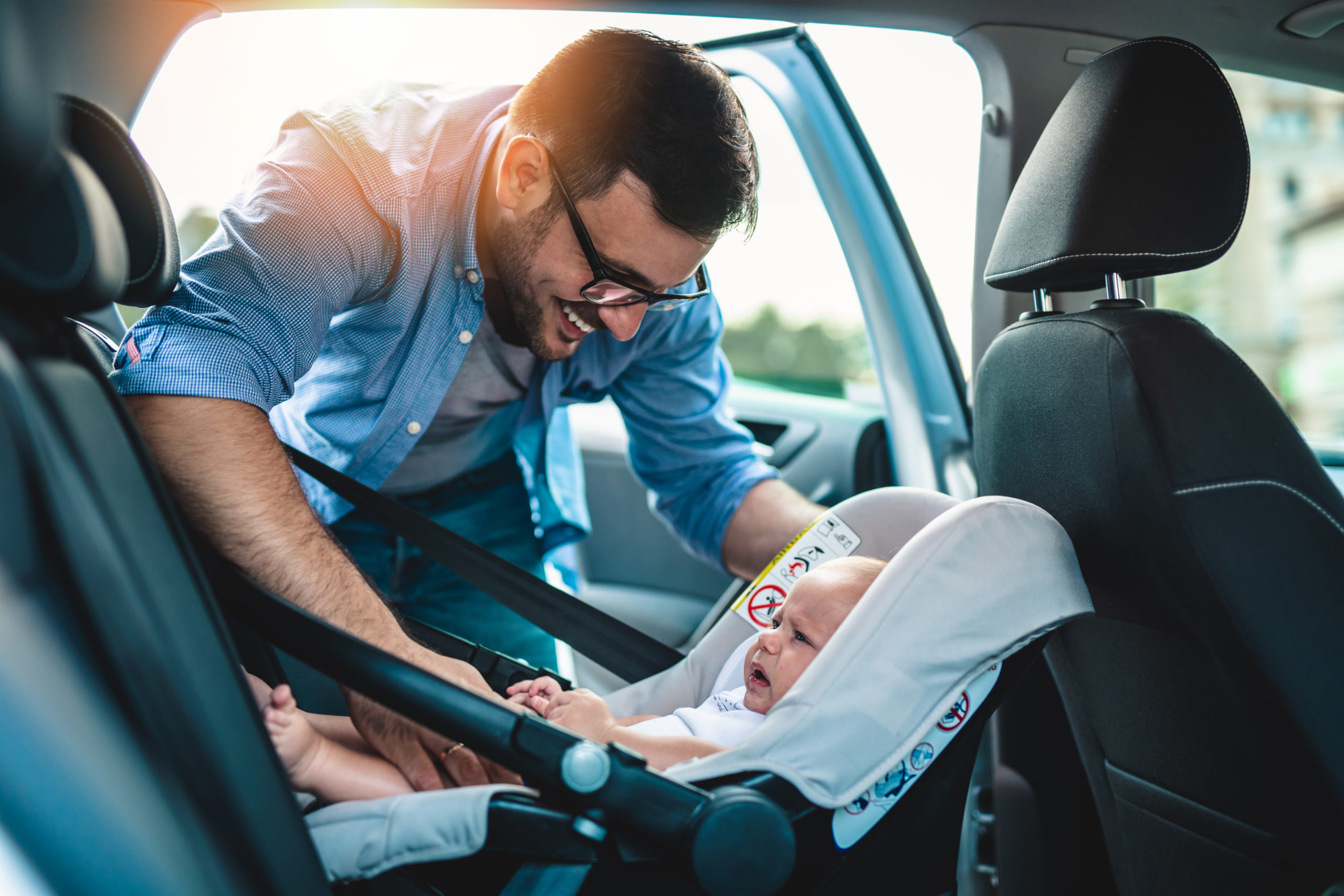
Choosing the right car seat is one of the most important safety decisions parents make.
But even after you’ve purchased and installed a car seat correctly, there’s one step many families overlook: checking for recalls.
Over the years, millions of car seats have been recalled due to issues ranging from faulty buckles to harness problems and manufacturing defects. Staying informed can help ensure your child’s car seat continues to provide the protection it was designed for.
Why Car Seat Recalls Matter
Car seats undergo extensive safety testing before reaching the market.
However, problems occasionally emerge after products have been sold and used by families.
Common reasons for car seat recalls include:
- Faulty buckles
- Harness failures
- Structural defects
- Labeling errors
- Missing parts
- Manufacturing issues
In some cases, these defects may affect a car seat’s ability to protect a child during a crash or emergency.
Related:
A Notable Example: The Graco Buckle Recall
One of the largest car seat recalls in U.S. history involved millions of Graco car seats manufactured between 2009 and 2013.
The issue centered on harness buckles that could become difficult to unlatch over time, potentially making it harder to quickly remove a child in an emergency.
While affected families were provided replacement parts, the recall served as an important reminder that parents should regularly monitor product safety updates for baby gear.
How to Check if Your Car Seat Has Been Recalled
The easiest way to check for recalls is to:
- Locate your car seat’s model number and manufacture date.
- Visit the manufacturer’s website.
- Check the National Highway Traffic Safety Administration (NHTSA) recall database.
- Follow any instructions provided if your model is affected.
Even older car seats should be checked periodically.
Register Your Car Seat Immediately
One of the simplest ways to stay informed is by registering your car seat after purchase.
Registration allows manufacturers to:
- Notify you of recalls
- Send replacement parts if needed
- Provide important safety updates
Many parents skip this step, but it only takes a few minutes.
Signs Your Car Seat May Need Attention
Even without a recall, you should inspect your car seat regularly.
Look for:
- Cracked plastic
- Frayed harness straps
- Broken buckles
- Missing parts
- Difficulty tightening or releasing straps
If something doesn’t seem right, contact the manufacturer before continuing to use the seat.
Should You Buy a Used Car Seat?
Most safety experts recommend caution when purchasing secondhand car seats.
You may not know:
- Whether the seat has been in a crash
- If parts are missing
- Whether it has been recalled
- If it has expired
For this reason, many parents choose to purchase new car seats whenever possible.
Related:
Car Seats Have Expiration Dates
Many parents are surprised to learn that car seats expire.
Expiration dates vary by manufacturer but often range from:
- 6 to 10 years after manufacture
Plastic components can degrade over time, reducing effectiveness during a collision.
Always check your manufacturer’s recommendations.
What To Do if Your Car Seat Is Recalled
If your model is affected:
Don’t Panic
Most recalls do not require immediate disposal of the seat.
Follow Manufacturer Instructions
The company may provide:
- Replacement parts
- Repair kits
- Updated instructions
Continue Using the Seat if Directed
Many recalls involve components that can be repaired without replacing the entire seat.
Always follow official guidance.
Car Seat Safety Beyond Recalls
Even the safest car seat can only protect your child if it’s used correctly.
Key reminders include:
- Keep children rear-facing as long as recommended.
- Ensure the harness fits snugly.
- Avoid bulky winter coats under harnesses.
- Follow height and weight limits.
- Have your installation checked by a certified Child Passenger Safety Technician (CPST) if possible.
Related:
A Gentle Reminder
Car seat recalls can sound alarming, but they’re also a sign that safety systems are working.
Manufacturers, regulators, and safety organizations continuously monitor products to identify potential concerns and provide solutions when necessary.
The best thing parents can do is:
- Register car seats
- Stay informed
- Follow recall notices promptly
A few minutes of prevention can provide valuable peace of mind every time you buckle your child into the car.
Frequently Asked Questions
How do I know if my car seat has been recalled?
You can check the manufacturer’s website or search the National Highway Traffic Safety Administration (NHTSA) recall database.
Are recalled car seats still safe to use?
It depends on the recall. Follow the manufacturer’s instructions carefully and use replacement parts if provided.
Should I throw away a recalled car seat?
Not necessarily. Many recalls are resolved with replacement components or repair kits.
Is it safe to buy a used car seat?
Only if you know the seat’s complete history, including whether it has been in a crash, recalled, or expired.
Do all car seats have expiration dates?
Yes. Most manufacturers specify an expiration date based on the materials and design of the seat.