
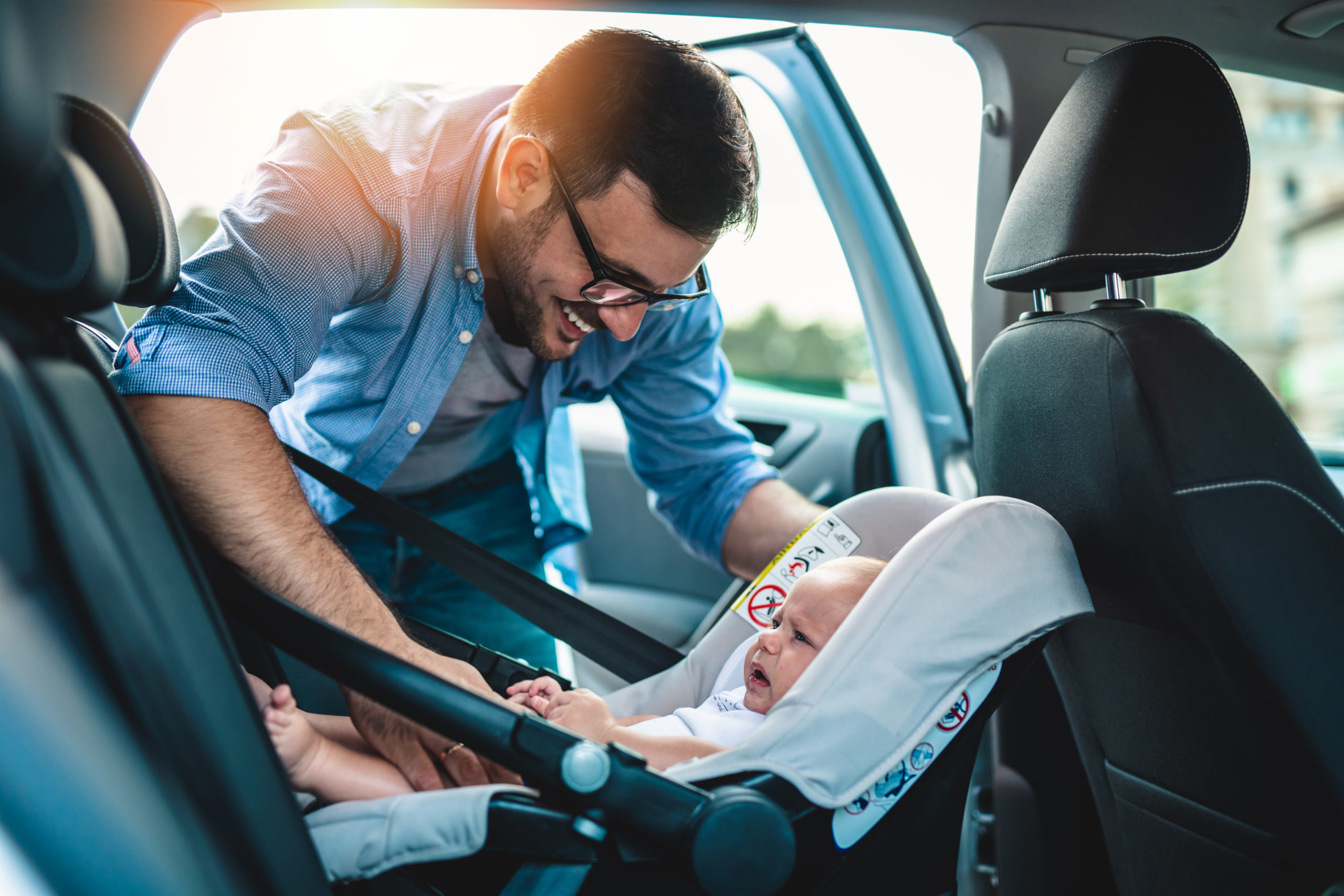
Leaving the house with your newborn can feel like planning a full-on expedition. As a first-time mom, you might be thinking, “What if I forget something… or everything?”
You don’t need a perfect list or a giant suitcase. You just need a few smart newborn travel essentials and the gentle reminder that you are absolutely allowed to learn as you go.
What to Pack in a Diaper Bag for a Newborn
Think of your diaper bag as your portable home base. When it’s packed well, everything feels easier.
- Diapers (6–8 for a short outing)
- Baby wipes
- Portable changing pad
- Diaper cream
- Disposable diaper bags
Once you find a system that works, keep the basics in there and just restock—no need to reinvent the wheel every time you leave the house.
If you’re still setting up your diaper station at home, you might also like: [Newborn Essentials for the First 6 Weeks]
Feeding Essentials for Newborns on the Go
Feeding your baby away from home can feel like a big hurdle the first few times. A little planning turns it into just another part of your routine.
- Bottles with breast milk or formula
- Formula dispenser (if you use formula)
- Nursing cover (only if it makes you feel more comfortable)
- Burp cloths (at least two)
Clothes that are nursing-friendly or easy to open make feeding less stressful—especially when you’re still finding your rhythm.
Related read: Breastfeeding Guide: Everything You Need to Know
Extra Clothes and Cozy Comforts
Newborns are tiny, but their mess potential is impressive. Backup clothes are your best friend.
- 1–2 extra outfits
- Socks or mittens
- Lightweight blanket
- Weather-appropriate layers
A surprise blowout or spit-up isn’t a failure—it’s just a reason to be glad you packed that extra onesie.
You may also find helpful: How to Dress a Newborn for Any Weather
Essential Baby Gear for Getting Out the Door
You don’t need every gadget on the market. Just the gear that genuinely makes leaving the house easier.
- Infant car seat (installed correctly)
- Stroller or baby carrier
- Car seat cover or sunshade
For longer trips or flights, most pediatric guidelines, including the CDC and the American Academy of Pediatrics, recommend using a proper restraint (like an approved car seat) instead of holding baby in your arms, because it offers more protection if things get bumpy.
Many first-time moms discover that a baby carrier is a total game changer—baby snuggles in close, and your hands are free.
Health, Sun, and Safety Must-Haves
These small items are less about using them constantly and more about how much calmer you feel knowing you have them.
- Hand sanitizer
- Pacifier (plus a backup in case one hits the floor)
- Small first-aid kit
For sun safety, most pediatric and health organizations say the same thing: for tiny babies, shade, hats, and clothing are your first line of defense, and direct sun should be limited. If you can’t avoid some sun, a tiny amount of baby-safe sunscreen on small exposed areas is sometimes suggested, with more regular sunscreen use recommended once your baby is older (often after 6 months, depending on guidance where you live).
Expect the Unexpected (And Know You’ll Handle It)
Let’s be honest: at some point, something will go sideways.
Your baby might wail in the car. The perfect timing you planned for feeds and naps might fall apart. You might end up changing a diaper on the world’s tiniest bathroom counter.
This doesn’t mean you’re not good at this. It means you’re a mom, doing real life with a real baby.
Every time something “goes wrong,” you’re quietly building a mental checklist of what works for you, what you don’t actually need, and how resilient you really are.
If you’re feeling wobbly in these early weeks, you might enjoy: Top 5 Tips for Postpartum Care
Quick Checklist Before You Leave the House
Before you walk out the door, a 20-second check can save you a lot of stress later:
- Diaper bag stocked (diapers, wipes, spare outfit)
- Feeding supplies ready (bottles or you, plus burp cloths)
- Baby dressed for the weather
- Your essentials: phone, wallet, keys (and maybe a snack for you)
It won’t always feel this complicated. Soon, this little routine will be second nature.
A Gentle Reminder for First-Time Moms
You are not being “dramatic” for feeling like a simple outing is a big deal—it is a big deal in this season.
Start small. Celebrate the wins, even if the win is “we made it around the block.” And remember: your baby doesn’t need a perfect mom—just you, showing up, learning, and loving them through all the messy, memorable firsts.
You’re doing so much better than you think.
FAQ: Newborn Travel Essentials for First-Time Moms
How soon can I leave the house with my newborn?
Most healthy newborns can go outside for short, low-key outings as soon as you feel physically and emotionally ready. For busier indoor places (like malls or crowded cafés), many parents prefer to wait a couple of weeks while they adjust to feeding, sleep, and recovery. Always check with your own healthcare provider if you or baby had any complications.
What should I pack in my diaper bag for a short trip?
For a quick outing, the basics are usually enough: diapers, wipes, a changing pad, diaper cream, disposable bags, a spare outfit, a burp cloth, and your chosen feeding supplies. You can then add “nice-to-haves” like a pacifier, blanket, and hand sanitizer once you know what you personally reach for most often.
How many diapers do I need to bring when going out with a newborn?
A good rule of thumb is to pack one diaper for every hour you plan to be out, plus two extras—so for a 3-hour outing, 5 diapers is usually plenty. As you get to know your baby’s patterns, you may adjust that amount up or down.
Do I need a separate “travel” changing kit, or is a diaper bag enough?
A diaper bag is usually enough, but some first-time moms love having a small changing pouch inside it. That pouch can hold diapers, wipes, and cream so you can just grab it for bathroom trips instead of hauling the entire bag into a tiny restroom.
What’s the best way to carry my newborn when I’m out—stroller or baby carrier?
Both are great options, and many parents use both at different times. A stroller gives you storage and a bit of physical space, while a baby carrier keeps your newborn close and can be soothing for them (and convenient for you in tight spaces). You can experiment and see what feels most comfortable and secure for you.
How do I keep my newborn safe in the car?
Always use a properly installed, rear-facing infant car seat that’s appropriate for your baby’s size and weight. Make sure the chest clip is at armpit level and the straps are snug (you shouldn’t be able to pinch extra slack). If you’re unsure about installation, many communities offer free car seat checks through fire departments, hospitals, or child passenger safety technicians.
How long can my newborn stay in a car seat at a time?
For very young babies, many experts suggest limiting time in a car seat—especially when you’re not driving—to relatively short stretches and taking breaks on longer trips. This helps support their breathing and comfort. On big journeys, plan regular stops where you can take baby out for a cuddle, feed, and stretch.
What should my newborn wear when we go outside?
A simple guideline is: dress your baby in one more light layer than you’re wearing yourself. In cooler weather, that might mean a onesie, pajamas, and a soft hat. In warmer weather, you may stick to a lightweight outfit plus a breathable blanket you can add or remove as needed.
How do I protect my newborn from the sun when we’re out?
For very young babies, shade is your best friend: use a canopy, stroller shade, or light blanket, and add a wide-brimmed hat and lightweight long sleeves when it’s warm. Official health guidance generally recommends minimizing direct sun exposure for infants under 6 months and focusing on physical sun protection (like clothing and shade) first; some pediatric sources allow a small amount of baby-safe sunscreen on limited exposed areas if shade isn’t possible. You can support this in your post by linking to trusted medical resources.
What if my newborn cries the entire outing?
You haven’t done anything wrong—some babies find new environments overstimulating at first. Try the basics: check the diaper, offer a feed, burp, adjust layers if they seem too warm or cold, and try holding or wearing baby close. It’s also completely okay to cut the outing short and head home; every experience gives you clues about what helps your baby settle.
How do I know if I’m overpacking for my newborn?
If your bag feels like a workout to carry, or you consistently return with items you never touch, you’re probably bringing more than you need. After a few outings, notice which items you use every single time—those are your true essentials. Everything else can be optional or “only for longer trips.”
What can I do to feel less anxious about leaving the house with my baby?
Start small: a short walk around the block or a quick drive-thru errand is enough to build confidence. Keep a simple checklist near the door, prep your diaper bag in advance, and remind yourself that no outing has to be perfect. You are allowed to turn back, change plans, or try again another day.
Can I take my newborn to a doctor’s office or pediatrician appointment?
Yes—newborns often need checkups in the early weeks, so pediatric visits are one of the most common first outings. For waiting rooms and busy offices, it helps to keep your baby in the car seat or baby carrier, limit unnecessary handling by others, and bring your feeding and diaper essentials so the visit feels less stressful.
Is it okay to bring my newborn to a coffee shop or restaurant?
It can be, especially if you choose a quiet time, sit somewhere with space for the stroller or carrier, and keep the outing short. For very young babies, many parents feel more comfortable starting with calmer, less crowded places and working up to busier settings as they learn their baby’s cues.
Can I take my newborn on a plane?
Many healthy newborns can fly, but timing depends on your baby’s health, age, and your pediatrician’s advice. The American Academy of Pediatrics also notes that the safest way for babies to fly is in their own seat using an approved car seat or restraint, rather than as a lap infant.
How do I handle feeding my newborn in public?
The easiest approach is the one that keeps you and baby calm. That might mean bottle-feeding in the stroller, breastfeeding in a quiet corner, or planning your outing around a feed so you feel less rushed.
What if strangers want to touch my baby?
You are fully allowed to say no. A simple, friendly response like, “We’re keeping things low-key right now,” or “We’re avoiding too much contact while baby is still little,” is enough.
How can I keep my newborn comfortable during errands?
Try to time outings around a fresh diaper and a feed, dress your baby in easy layers, and keep your first few trips short. Babies usually do best when the plan is simple and you leave room for pauses, cuddles, and last-minute changes.


