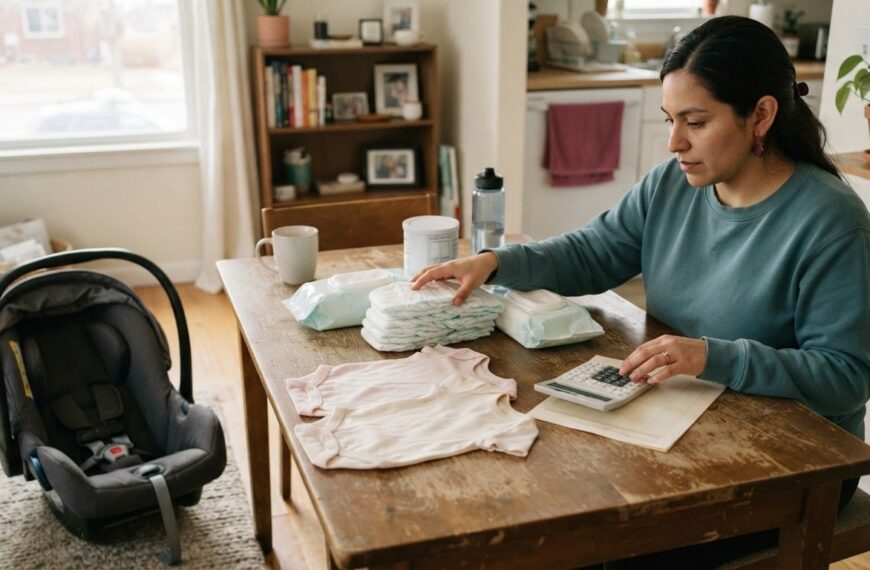
Preparing for a baby can quickly turn into an overwhelming checklist of “must-haves.”
Between baby registry lists, social media recommendations, and advice from friends and family, it can feel like you need everything before your baby arrives.
But here’s the reassuring truth:
Newborns need far less than most lists suggest.
Some essentials genuinely make life easier and safer. Others are optional. And many products barely get used at all.
Once you understand what newborns actually need, the pressure starts to lift.
This guide breaks down:
- what newborn essentials truly matter
- what’s helpful but optional
- what you can confidently skip
- and how to prepare without overspending or overwhelming yourself
If you’re preparing for your first baby, start here:
- How to Choose Baby Gear You’ll Actually Use
- Newborn Essentials Checklist (0–3 Months): What You Really Need for Your Baby
- What NOT to Buy for a Newborn
What “Normal” Newborn Life Looks Like
Before buying anything, it helps to understand normal newborn behavior — especially sleep and feeding.
Most newborns:
- sleep 12–16 hours over 24 hours
- wake every 2–4 hours
- feed frequently day and night
- need lots of contact and comfort
Frequent waking and feeding is completely normal in the early months.
This matters because many products promise:
- “better sleep”
- “longer stretches”
- “easy routines”
But no product replaces normal newborn development.
Helpful reads:
- Nighttime Breastfeeding Tips: How to Survive Night Feeds
- Cluster Feeding Explained: Why Your Newborn Feeds Constantly
- Newborn Sleep 101: A New Parent’s Survival Guide
- 5 Surprises About Newborns and Sleep
What a Newborn Really Needs
At its core, your baby’s world revolves around just a few basic needs:
- Feeding
- Sleeping
- Cleanliness (diapering and bathing)
- Comfort and warmth
- Safety
Everything else is designed to support you, not because your baby directly needs it.
Keeping this perspective makes newborn preparation feel far less overwhelming.

1. Wardrobe Essentials: Keep It Simple
Newborn clothing should focus on:
- comfort
- softness
- easy diaper changes
Not style.
What You Actually Need
- 6–10 onesies
- 4–8 zip sleepers or pajamas
- 4–6 pairs of socks
- 1–2 soft hats
- 2–3 swaddles or sleep sacks
Zipper pajamas become lifesavers during overnight diaper changes.
What You Don’t Need Yet
- fancy outfits
- shoes
- oversized wardrobes
- dozens of newborn clothes
Babies outgrow sizes incredibly quickly.
Helpful reads:
- How to Dress a Newborn in Any Weather
- Newborn Basics: Find Your Baby Swaddling Style
- 9 Must-Have Swaddle Blankets for a Snug and Secure Baby
- Newborn Sleep Essentials: What You Really Need
Mom tip: Laundry happens constantly during the newborn stage. You don’t need huge quantities — just enough for comfortable rotation.
2. Feeding Essentials: Start Small
Every feeding journey looks different.
You may:
- breastfeed
- formula feed
- pump
- combination feed
The key is starting simple.
Basic Feeding Essentials
- 4–6 bottles
- burp cloths
- nursing bras or nursing tanks
- feeding pillow (optional but helpful)
If breastfeeding:
- nipple cream
- nursing pads
- breast pump (if needed)
If bottle-feeding:
- formula
- bottle brush
What You Can Skip Initially
- bottle warmers
- large bottle collections
- expensive sterilizer systems
Warm soapy water works perfectly well for most bottle cleaning needs.
Helpful guides:
- Breastfeeding Essentials for New Moms (2026 Guide)
- Best Bottle Sterilizers (2026 Guide)
- Best Bottles for Breastfed Babies
- How to Choose the Perfect Baby Bottles and Nipples
- Signs Your Baby Is Getting Enough Milk
- Introducing a Bottle to a Breastfed Baby
Real-life insight: Many babies have strong preferences. Buying too many feeding products upfront often leads to wasted money.
3. Diapering Essentials: Keep It Efficient
Diapering is one area where preparation genuinely helps.
Must-Haves
- newborn diapers
- size 1 diapers
- fragrance-free wipes
- diaper cream
- changing pad or safe surface
Helpful additions:
- diaper bag
- portable changing mat
Optional:
- diaper pail
Helpful reads:
- Newborn Umbilical Cord Care: What’s Normal and What’s Not
- Diaper 101: What’s Normal for a Newborn and When to Worry
- How to Pick the Perfect Newborn Diapers
Mom tip: Create small diapering stations around your home so essentials are always nearby.
4. Sleep Essentials: Safe and Minimal
When it comes to newborn sleep, simple is safest.
What You Actually Need
- crib or bassinet
- firm mattress
- fitted sheets
- swaddles or sleep sacks
That’s enough.

Helpful (But Optional)
- white noise machine
- baby monitor
- blackout curtains
Skip
- pillows
- blankets
- crib bumpers
- decorative sleep products
Safe sleep always comes before aesthetics.
Helpful reads:
- How Do Newborn Babies Sleep?
- Newborn Sleep: Expectations and Reality
- Learn This One Fact and Help Your Newborn Sleep Longer
- The Magic Noise That Can Help Your Newborn Sleep Better
- Where Does Your Newborn Want to Nap?
- Guess What? Not Every Newborn Can Fall Asleep Alone?
Helpful buyer guides:
5. Bath Essentials: Keep It Gentle
Newborn bath time requires surprisingly little.
Essentials
- baby bathtub or sink support
- gentle baby wash
- 2–4 hooded towels
- soft washcloths
Optional
- baby lotion
- bath thermometer
Helpful reads:
- Newborn Bath Essentials: A Simple Guide for First-Time Parents
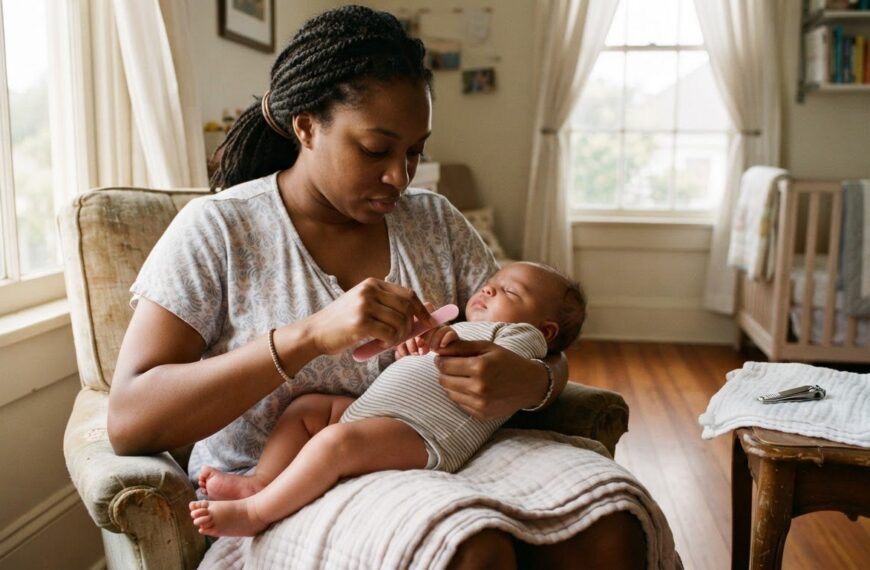
- How Do I Safely Trim My Newborn’s Nails?
Reminder: Newborns do not need daily baths. A few times per week is plenty in the beginning.
6. Health & Safety Essentials: Small but Important
These are the items you’ll be grateful to already have ready.
Must-Haves
- baby thermometer
- nail clippers or nail file
- basic first-aid items
- infant car seat
Optional
- grooming kits
- medicine organizers
Helpful reads:
- Best Baby Thermometers
- The Ultimate Guide to Nursery Thermometers for New Moms
- Non-Toxic Baby Products: What Matters and What’s Marketing
Peace-of-mind tip: Keep health essentials organized and easy to access for late-night situations.
7. Playtime Essentials: Keep It Minimal
Newborns don’t need much entertainment.
In the early weeks, they mostly:
- sleep
- eat
- observe
- connect with you
Simple Essentials
- play mat
- a few soft toys
- 1–2 board books
Optional
- crib mobile
- sensory toys
Helpful reads:
- 5 Little Ways to Bond With Your Newborn Baby
- For Better Newborn Bonding, Try Snuggling
- How to Help Your Newborn Be a Happier Baby
- 7 Amazing Facts About Newborn Babies
- 6 Ways Your Newborn Baby Is About to Rock Your World
Reality check: Your face, voice, and touch are your baby’s favorite “toys.”
Things You Can Buy Later
Not everything needs to be purchased before your baby arrives.
You can absolutely wait on:
- high chairs
- teething toys
- activity centers
- large toy collections
Buying gradually helps you:
- avoid unnecessary spending
- learn your baby’s preferences
- reduce clutter
- simplify your home
Helpful reads:
- Minimalist Baby Registry
- What Baby Products Are Actually Worth It?
- How to Save Money on Baby Essentials
- What NOT to Buy for a Newborn
The Minimalist Baby Approach (Why It Works)
More parents are embracing a simpler newborn setup — and for many families, it creates a calmer postpartum experience.
Having fewer products often means:
- less clutter
- easier cleaning
- less decision fatigue
- reduced overwhelm
- more intentional bonding time
Most importantly:
It helps you focus less on managing stuff and more on adjusting to life with your baby.
A Gentle Reminder for New Moms
It’s completely normal to feel unsure about what you truly need.
There’s so much information online that it can feel impossible to know what matters most.
But here’s something grounding to remember:
You do not need:
- a picture-perfect nursery
- every trending baby product
- a fully stocked setup
—to be a good mom.
At the heart of it all, your baby is looking for:
- your warmth
- your comfort
- your presence
- your care
Everything else is simply support.
Most Helpful Newborn Guides for First-Time Parents
Sleep & Routines
Feeding
- Signs Your Baby Is Getting Enough Milk
- Breastfeeding Essentials for New Moms
- Best Bottles for Breastfed Babies
Baby Care
Gear & Registry
FAQ
What are the most important newborn essentials?
The most important newborn essentials include:
- diapers and wipes
- safe sleep space
- clothing basics
- feeding supplies
- infant car seat
- basic health items
How many newborn clothes do I actually need?
Most families only need:
- 6–10 onesies
- 4–8 sleepers
- a few swaddles and socks
Laundry happens frequently, so you usually don’t need huge quantities.
Do I really need a bassinet and a crib?
No. Many families use either:
- a bassinet first
- or a crib from the beginning
Both can work safely.
What baby products are unnecessary?
Many parents skip:
- wipe warmers
- fancy outfit collections
- expensive sterilizers
- large toy collections
- decorative nursery items
Are smart bassinets worth it?
Some parents love them, while others find basic bassinets work just as well. They are optional — not essential.
What should my newborn wear to sleep?
A simple footed sleeper with a swaddle or sleep sack is usually enough. Avoid loose blankets or pillows.
Is white noise safe for newborns?
Yes, when used at a safe volume and placed several feet away from the baby.
What should first-time parents prioritize most?
Focus on:
- reducing overwhelm
- safe sleep
- feeding support
- postpartum recovery
- flexibility