
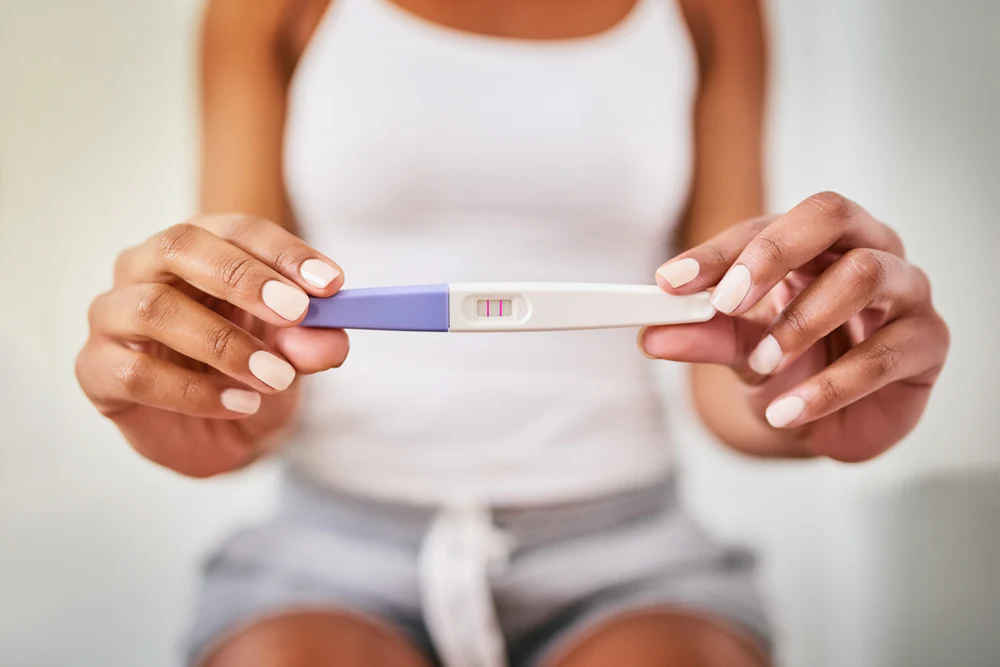
Few moments feel as emotional, exciting, or nerve-wracking as wondering whether you might be pregnant. I know how quickly your mind starts connecting dots, every little symptom suddenly feels meaningful.
A missed period, unusual fatigue, nausea, or even mood swings can leave you questioning whether your body is trying to tell you something new is happening. I remember thinking, “Maybe I’m just overthinking this… or maybe something really is different this time.”
And once that thought enters your mind, the next question usually comes quickly: Should I take a pregnancy test now, or is it too early?
The timing of a pregnancy test matters more than many women realize. Testing too soon can sometimes lead to inaccurate results, unnecessary stress, or confusion.
Trust me, taking a test too early and seeing a negative can feel discouraging, even when it might not be the final answer.
But understanding how pregnancy tests work and knowing the best time to take one can help you feel more confident and prepared during those uncertain early days.
How Pregnancy Hormones Affect Test Results
Home pregnancy tests work by detecting a hormone called hCG, which stands for human chorionic gonadotropin.
After a fertilized egg implants into the uterine lining, your body begins producing hCG. This hormone builds up rapidly, typically doubling every 48 to 72 hours.
When I first learned this, it made so much sense why timing plays such a big role in getting accurate results.
- Too Early: If you test just a few days after ovulation, the egg might not have even implanted yet, or the hCG levels may be below the test’s detection threshold. This leads to a false negative.
- The Sweet Spot: By the time your period is due, hCG levels are usually robust enough to turn that second line pink.
Fun Fact:
The placenta begins producing hCG very early in pregnancy, often before you even realize implantation has occurred.
When Is the Best Time to Take a Pregnancy Test?
For the most accurate result, most experts recommend taking a pregnancy test after you miss your period.
At that point, hCG levels are usually high enough to be detected by most home pregnancy tests. Personally, waiting until a missed period can feel hard, but it often saves you from the confusion of unclear results.
If your menstrual cycle is regular, testing on the first day of your missed period often provides a reliable answer. Some highly sensitive tests claim they can detect pregnancy several days earlier, but early testing does not always guarantee accuracy.
For example, one of my friends tested four days before her expected period and got a negative result. She felt disappointed, but when she tested again a week later, it turned out to be positive. Timing really made all the difference.
Can You Take a Pregnancy Test Before a Missed Period?
Technically, yes.
Some early-detection pregnancy tests can identify lower levels of hCG before a missed period occurs. However, there is an important catch: implantation timing varies from woman to woman.
Even if conception happened, your body may not have produced enough hCG yet for the test to detect it.
That means testing too early can sometimes result in:
- False negatives
- Confusing faint lines
- Emotional stress and uncertainty
- The need for repeated testing
I’ve seen many women take multiple tests within a few days, hoping for a different result, it can quickly become an emotional rollercoaster.

Signs Your Body Might Be Dropping Hints
Sometimes your body whispers (or screams) that something is different before you even reach for a test. If you notice these symptoms, it might be time to head to the pharmacy:
- Tender or “Heavy” Breasts: This is often the first sign. Hormonal shifts can make your chest feel sensitive, swollen, or even tingly.
- Implantation Bleeding: About 6–12 days after conception, you might see light spotting. It is usually much lighter and shorter than a regular period.
- The “Period-ish” Cramps: You might feel slight tugging or cramping that feels like your period is coming, but it never actually starts.
- Sudden Fatigue: If you feel like you’ve run a marathon after just doing the dishes, progesterone surges might be the culprit.
For instance, a woman once shared how she felt extremely tired doing simple daily tasks, something that never happened before and that turned out to be her earliest pregnancy clue.
If you are experiencing unusual exhaustion, you may also enjoy reading about the First Trimester and How Your Baby Takes Shape.
Tips to Get the Most Accurate Result
To avoid the “is that a line or am I imagining it?” stress, follow these pro-tips:
I always suggest being a little patient and careful here, it really helps reduce confusion later.
1. Use the “Liquid Gold” (First Morning Urine)
Your first pee of the day is the most concentrated. If you drink a lot of water throughout the day, your urine becomes diluted, which can “water down” the hCG levels and make a positive result harder to see.
2. Check the Expiration Date
It sounds basic, but pregnancy tests use chemical antibodies to detect hCG, and those chemicals can degrade over time. An expired test is an unreliable test.
3. Set a Timer
Read the instructions! Some tests tell you to wait three minutes, while others say five. Crucially, don’t look at the test an hour later. As urine dries, it can create an “evaporation line” that looks like a faint positive but actually isn’t.
4. A Line is a Line
Whether it’s dark purple or the faintest whisper of pink, if a line appears within the time frame, it means the test found hCG. In the world of pregnancy tests, there’s no such thing as being “a little bit” pregnant!
That moment of staring at the test can feel long and emotional, but following the instructions properly makes a big difference.
If you are navigating pregnancy later in life, Pregnancy After 35 offers helpful insight into what to expect and how pregnancy experiences may differ.
How Accurate Are Home Pregnancy Tests?
When used correctly and taken at the right time, home pregnancy tests are extremely accurate, often over 99%.
However, several factors can affect results, including:
- Testing too early
- Expired pregnancy tests
- Not following instructions properly
- Drinking excessive fluids before testing
- Irregular menstrual cycles
That is why carefully reading instructions matters so much. Different brands may also vary slightly in sensitivity levels.

What Does a Faint Positive Line Mean?
Few things create more confusion than a faint positive line.
I’ve noticed this is one of the most common concerns, many women wonder if it “counts” or not.
In many cases, even a faint line can still mean pregnancy because it indicates hCG has been detected. Early pregnancy often produces lower hormone levels, which may create lighter test lines.
A faint line may happen because:
- You tested very early
- hCG levels are still rising
- Urine was diluted
- The test sensitivity is lower
If you receive a faint positive result, it is usually recommended to test again after 48 hours.
Because hCG rises quickly in early pregnancy, the line may become darker over time.
What If the Test Is Negative but Your Period Still Hasn’t Started?
This situation is actually very common. If your test is negative but your period remains late, several possibilities exist.
It can feel confusing and even frustrating; I’ve seen women question everything during this phase.
In this case, waiting a few days and retesting is often recommended.
Blood Pregnancy Tests vs Home Tests
Home urine tests are convenient and highly accurate, but doctors can also perform blood pregnancy tests.
Blood tests can:
- Detect pregnancy earlier
- Measure exact hCG levels
- Confirm pregnancy more precisely
Healthcare providers may recommend blood tests if there are concerns about early pregnancy complications or unclear home test results.
Looking for More Pregnancy Tips and Mom-to-Mom Guidance?
From early pregnancy symptoms and testing questions to motherhood advice and pregnancy wellness tips, Pregnancy Magazine offers supportive, easy-to-understand resources for every stage of the journey.
Whether you are newly pregnant, trying to conceive, or simply looking for trusted information, you can explore helpful topics like:
Because every pregnancy journey deserves support, guidance, and trusted information along the way.
Patience is not always easy during this time, but it can make a huge difference in getting clear results.
If you’re going through this right now, just know that uncertainty is part of the process and you’re definitely not alone in feeling this way.
Every pregnancy journey starts differently, and giving your body a little time can help you understand what it’s trying to tell you.


