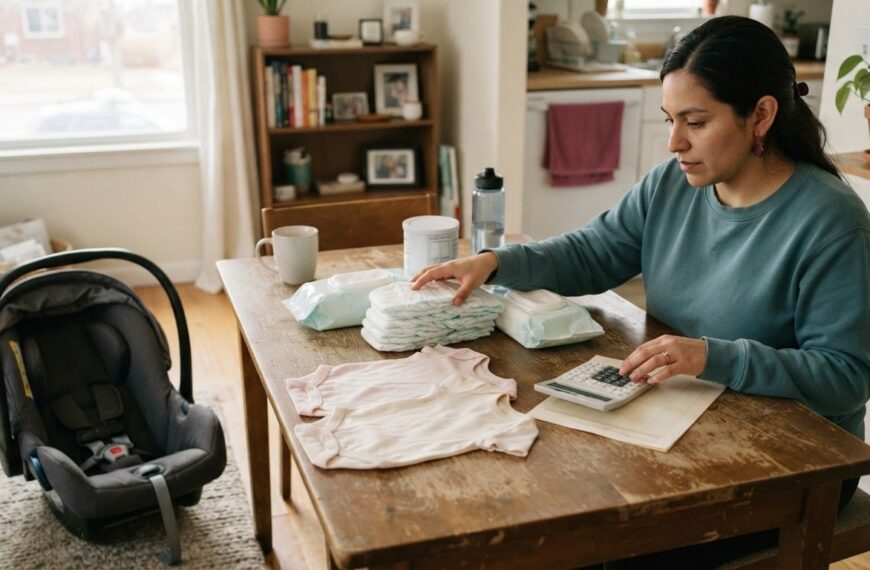
Let’s have a little kitchen table chat, you and I. If you’re reading this, you’ve either just had a baby via Cesarean section or you’re preparing for one. Either way, welcome. Your body has just done something incredible, and now you’re navigating the complex, often confusing, world of major abdominal surgery recovery while caring for a newborn. It’s a lot. The biggest lesson I learned—and the one I want to share with you—is that Caesarean section recovery is a marathon of “micro-wins,” where your emotional healing is just as vital as the physical closing of your incision. This isn’t about bouncing back; it’s about gently moving forward. So, let’s walk through it together, week by week.
Week 1: The Survival Phase and the "Log Roll" Life
The first week is all about survival. It’s about managing pain, getting to the bathroom, and figuring out how to hold your baby without wincing. Forget the laundry and the thank-you cards. Your only job is to rest, heal, and bond with your little one. The physical sensations can be jarring; a strange combination of sharp, stinging pain right at the incision and a disconcerting numbness in the skin around it. This is all part of the process as your nerves begin to heal.
- The Sensory Reality: Expect a "stinging" or pulling sensation at your incision, especially when you move. The skin around it might feel weirdly numb, which is completely normal as the nerves were disrupted during surgery.
- The "Log Roll" Technique: Getting out of bed will feel like your first Olympic event. To do it safely, bend your knees, roll onto your side like a log, and then use your arms to push yourself up to a sitting position as you swing your legs over the side of the bed. This avoids using your core muscles entirely.
- Managing the "Postpartum Cocktail": Stay on top of your pain medication schedule. Alternating between the prescribed narcotics and ibuprofen can be very effective. And please, do not skip the stool softeners. That first postpartum bowel movement is daunting, and they are your best friend.
- Hospital-to-Home Transition: Before you leave the hospital, think about your home setup. Create a "recovery station" next to your bed or couch with everything you need: water, snacks, phone charger, baby essentials, and pain meds. The goal is to have everything at waist height to minimize bending.
The First 48 Hours: Hospital Milestones
Those first two days in the hospital are a blur of nurse check-ins, baby cries, and trying to find a comfortable position. One of the most important things they’ll ask you to do is get up and walk. It will feel like climbing a mountain, but that first shuffle down the hallway is your secret weapon against gas pain and, more seriously, helps prevent blood clots, according to the American College of Obstetricians and Gynecologists (ACOG). You’ll also be transitioning from IV pain relief to oral medications; speak up if you feel the pain isn’t managed before you’re discharged. Many women also experience "the shivers" or intense emotional shifts as hormones plummet after birth—it’s a normal, if unsettling, part of the process.
Coming Home: Your First 3 Days
Walking through your own front door is a huge milestone, but it can also be overwhelming. This is where your support system truly comes into play. Your only job is to care for yourself and the baby, which means accepting help with everything else. This is a critical part of your overall postpartum recovery.
- Essential Gear: High-waisted "granny panties" or C-section-specific disposable underwear are non-negotiable. Anything that sits at your natural waist will avoid rubbing against your tender incision.
- The Pillow Trick: Keep a firm pillow handy at all times. Hug it tightly against your abdomen whenever you need to laugh, sneeze, cough, or stand up. It provides counter-pressure that makes a world of difference.
- Let Others Do the Lifting: Your lifting restriction is simple: nothing heavier than your baby. This means no car seats, no laundry baskets, and no groceries. Lean on your partner, friends, and family for all heavy lifting.
Weeks 2 and 3: The Turning Point and the Itch
Sometime between day 10 and day 14, many moms feel the fog start to lift. The pain becomes less constant, you can move a bit more freely, and you might even feel a little more like yourself. This is the turning point. As your incision heals, you’ll likely experience a new sensation: itching. While annoying, an itchy or tingling scar is a fantastic sign that the nerves are regenerating and the tissue is repairing itself. Resist the urge to scratch it directly!
- The "Turning Point": You’ll notice you can stand up a little straighter and the deep, internal ache begins to subside. This is a great time to start taking very short, slow walks inside your home.
- Dealing with the Incision Itch: A tingling, itchy feeling is a sign of healing. If it’s driving you crazy, gently tapping the skin around the scar or applying a cool, clean cloth can provide some relief.
- Mental Health Check: The "baby blues" are common, but it’s crucial to know the signs of postpartum depression, which can be heightened after a surgical birth. If your sadness feels overwhelming or you have a persistent lack of joy, please reach out to your doctor. Our guide to mental health postpartum can offer more support.
- Gentle Movement: Your hallway shuffles can now become 5-minute walks around your home or a slow stroll to the mailbox. Listen to your body and don’t push it.
Wound Care and Wardrobe Hacks
Keeping your incision clean is simple but vital. The Cleveland Clinic recommends a "soap-and-water-drip" method: just let soapy water run over the incision in the shower and gently pat it dry with a clean towel. Don’t scrub it. Wardrobe-wise, think soft. Loose-fitting dresses, high-waisted leggings, and soft pajama pants will be your uniform. Keep an eye on your incision for any signs of infection, such as increasing redness, swelling, warmth, or foul-smelling discharge. If you see any of these, call your OB-GYN right away. (What to Expect at Home)
Nursing with a Scar
Finding a comfortable breastfeeding position can be a challenge. The key is to keep the baby’s weight off your tender belly. The "football hold" (tucking the baby under your arm on a pillow) and the "side-lying" position are game-changers for C-section moms. If you’re using a breast pump, make sure you’re sitting in a supportive chair with your back straight to avoid straining your core. And remember to stay hydrated! Drinking plenty of water is essential for your milk supply and also helps prevent post-op constipation.
Weeks 4 and 5: Building Strength and Resisting the "Bounce Back"
Around week four, you might start to feel "fine." This is wonderful, but it’s also a trap. Feeling better often leads to doing too much, which can cause a major setback in your recovery. Your body is still healing internally, even if the external incision looks great. Now is the time for patience and self-compassion. Resist the pressure to "bounce back" and focus on gentle, sustainable healing.
- The Trap of Feeling "Fine": Overdoing it now can lead to increased pain, bleeding, and exhaustion. Remind yourself that you had major surgery just a month ago.
- Driving 101: Most doctors clear you to drive around 2-4 weeks, but the real test is twofold: Are you off all narcotic pain medication? And can you slam on the brakes suddenly without pain or hesitation? If the answer is no, stay in the passenger seat.
- Managing the "Shelf": It’s common for the skin and tissue above the incision to swell slightly, creating what many moms call a "shelf." This is often temporary, but it’s also a part of your new body. Embracing it is part of the journey.
- Lifting Limits: You can likely lift a bit more now, but still avoid anything strenuous. The heavy stroller, a full laundry basket, or your older toddler might still be too much.
Safe vs. Unsafe Movement Table
It can be confusing to know what’s safe. Here’s a simple breakdown:
| Safe at Weeks 4-5 | Wait Until Week 8+ (and Doctor’s OK) |
|---|---|
| Walking (gradually increasing distance) | Running or high-impact cardio |
| Gentle stretching (nothing that pulls the abdomen) | Crunches, sit-ups, or planks |
| Pelvic floor exercises (Kegels) | Heavy lifting (anything over 15-20 lbs) |
| Bodyweight squats (with proper form) | Intense core workouts |
A great way to monitor your activity level is the "Bleeding Barometer." If your postpartum bleeding (lochia) increases, becomes heavier, or turns bright red again after activity, you’re doing too much. Your pelvic floor also went through a lot during pregnancy, so gentle pelvic floor exercises are important even though you didn’t have a vaginal delivery.
The Emotional "Why": Processing Your Birth Story
If your C-section wasn’t planned, you might be grieving the vaginal birth you had hoped for. This is valid. Give yourself permission to feel all the feelings—disappointment, relief, gratitude, or a mix of everything. Connecting with other C-section moms in support groups can be incredibly validating. One of the most powerful mindset shifts for me was learning to see my scar not as a flaw, but as a "warrior mark"—the beautiful, powerful mark of my child’s birth day.

Week 6 and Beyond: The "Clearance" and Long-Term Healing
The six-week checkup often feels like a finish line, but it’s really just the start of the next phase of healing. This is your opportunity to ask your doctor all your questions about returning to sex, exercise, and daily life. It’s also the perfect time to start thinking about long-term core and scar care. Your body will continue to heal and change for many months to come.
- The 6-Week Checkup: Ask about scar healing, any pain you’re still having, your readiness for exercise, and when it’s safe to resume intercourse. Don’t leave until you feel your questions are answered.
- Introduction to Scar Massage: Once your incision is fully closed and cleared by your doctor, gentle scar massage can help desensitize the area and prevent deep adhesions that can cause a "tugging" feeling later on.
- Returning to Intimacy: Physical and emotional readiness for sex are two different things. Be open with your partner about how you’re feeling. Our guide on sex after giving birth can help you navigate this.
- Long-Term Core Reconnection: True core work starts with the deep transverse abdominis, not with sit-ups. Focus on breathwork and gentle stabilization exercises before jumping into traditional ab workouts.
How to Perform C-Section Scar Massage
Once you get the green light from your OB (usually around week 6-8), you can begin gentle massage. This helps break down scar tissue and can improve sensation.
- Step 1: Make sure the incision is fully closed with no scabs. Wash your hands and apply a gentle, unscented oil or lotion to your fingertips.
- Step 2: Start with light "skin wiggling." Place your fingertips about an inch above the scar and gently move the skin up, down, and in circles. Do this all along the scar line without directly touching it.
- Step 3: As you get more comfortable, you can progress to direct massage. Use one or two fingers to make small, gentle vertical and horizontal movements directly across the scar tissue.
This simple practice, just a few minutes a day, can make a huge difference in preventing that tight, pulling feeling and reconnecting you to a part of your body that might feel foreign.
Graduating to "Real" Exercise
When you’re ready to start returning to exercise after pregnancy, adopt a "breath-first" approach. Before any movement, take a deep diaphragmatic breath and exhale as you engage your deep core muscles, as if you’re gently hugging your baby with your abs. A key sign you aren’t ready for a certain exercise is "doming" or "coning"—a bulge that appears down the midline of your stomach. This means the pressure is too much for your healing connective tissue. If possible, the best investment you can make is a visit with a postpartum physical therapist (PT), who can give you a personalized plan for safely rebuilding your strength.
C-Section Recovery Tips: Your "Secret Weapon" Survival Kit
Beyond the week-by-week milestones, a few key strategies can make your recovery smoother. Think of this as your survival kit for the fourth trimester.
- The "Home Base" Setup: A rolling cart next to your bed or favorite chair is a game-changer. Stock it with diapers, wipes, burp cloths, snacks, a giant water bottle, and your phone so you don’t have to get up constantly.
- Nutrition for Tissue Repair: Your body needs fuel to heal from surgery. Focus on foods rich in protein, Vitamin C, and Zinc, which Mayo Clinic notes are crucial for tissue repair. Think lean meats, citrus fruits, nuts, and beans.
- Prioritize Sleep (somehow): This feels like an impossible tip, but "sleep when the baby sleeps" is crucial for surgical recovery. Let the dishes pile up. Your body heals during rest.
- When to Call the Doctor: Don’t hesitate to call your OB’s office if something feels off. Trust your intuition. Below is a clear list of red flags that require immediate attention.
The Red Flag Checklist: When to Call the OB
Call your doctor or seek medical attention immediately if you experience any of the following:
- Fever over 100.4°F or chills.
- Foul-smelling discharge or pus-like oozing from the incision.
- Redness, swelling, or worsening pain at the incision site.
- Severe headache that doesn’t go away.
- Shortness of breath, chest pain, or localized, painful swelling in your calf (these can be signs of a blood clot or pulmonary embolism).
- A heavy, "falling out" feeling in your pelvic floor.
The "Experienced Mom" Hacks
- The Reacher-Grabber: Buy a simple reacher-grabber tool. It will save you from bending over a hundred times a day for dropped pacifiers or the TV remote.
- The Belly Binder: Wearing a belly binder or support band can provide welcome compression and support for the first few weeks. Just don’t rely on it for too long, as you want your own muscles to start re-engaging.
- Accept All the Help: Someone offers to bring a meal? Say yes. A friend wants to fold your laundry? Say yes. A family member offers to hold the baby so you can shower? Say yes. This is your time to be cared for.
Frequently Asked Questions About C-Section Recovery
How long does it take for a C-section incision to heal internally?
While the external skin incision typically heals within 2-4 weeks, the deeper layers of muscle and connective tissue take much longer. Full internal healing can take anywhere from 6 months to a year. This is why it’s so important to avoid strenuous activity even after you feel better.
When can I safely sleep on my stomach after a C-section?
Most women find they can comfortably sleep on their stomach again around 4-6 weeks postpartum, or whenever it no longer causes pain or pulling at the incision site. Listen to your body and ease into it, perhaps using pillows for support initially.
Is it normal for my C-section scar to be numb years later?
Yes, it’s very common for some numbness to persist around the scar. The nerves in the skin were cut during the surgery, and while many regenerate, some may not, leaving areas with reduced or altered sensation permanently.
What are the signs of a C-section incision infection?
Signs of infection include increasing redness that spreads, swelling or hardness around the incision, warmth to the touch, pus or foul-smelling drainage from the wound, and a fever over 100.4°F. If you notice any of these, call your doctor immediately.
When can I start exercising after my 6-week checkup?
After getting clearance at your 6-week checkup, you can typically begin light to moderate exercise. Start with gentle activities like walking, swimming, or postpartum-specific yoga. Avoid high-impact activities and traditional ab work like crunches until your core strength has been re-established, which is often closer to 12 weeks postpartum.
How much weight can I safely lift during the first few weeks?
The standard rule is to lift nothing heavier than your baby for the first 2-6 weeks. This is to prevent straining your abdominal muscles and incision, which could lead to complications like a hernia.
Can I carry my baby in a carrier or wrap after a C-section?
Yes, but you may need to wait a few weeks until your incision is less tender. Choose a carrier that sits high and doesn’t put direct pressure on your scar. A woven wrap or ring sling might be more comfortable initially than a structured carrier with a thick waistband.
Disclaimer
Pregnancy Magazine content is based on the latest research and information available, but is not meant to be medical advice or instruction. See a medical professional for direction for your specific situation or case.
We strive to be objective in our buyer's guide reviews and usually compare a variety of products in a category. Pregnancy Magazine is supported by sales from referring links.