
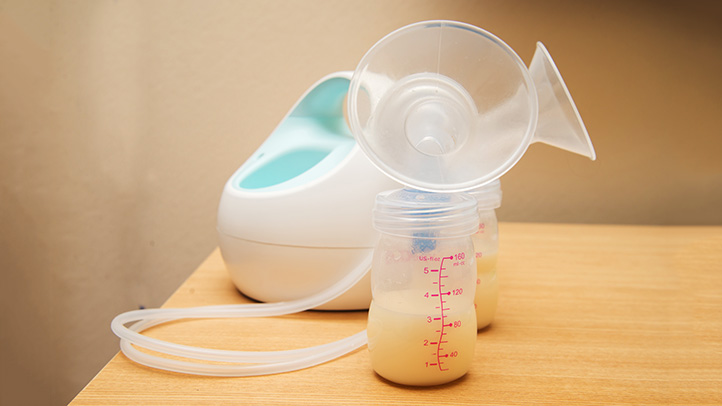
If you’re pumping breast milk, chances are you’re juggling a lot-feeding your baby, recovering your body, maybe even planning a return to work.
I know how overwhelming it can feel at first, but with a little guidance and a lot of grace for yourself, pumping can become a smooth and empowering part of your routine.
This guide is written just for you-simple, supportive, and real-so you can feel confident, informed, and a little less stressed on your breastfeeding journey.
Why Moms Choose to Pump
Every mom’s story is different, and there’s no “one right way” to feed your baby.
Many moms I’ve spoken to and even from experience, choose pumping for different reasons, and all of them are completely valid.
- You’re returning to work or school
- Your baby has trouble latching
- You want your partner or family to help with feeding
- You’re building a milk stash for flexibility
- You need to increase or maintain milk supply
No matter your reason, pumping is still breastfeeding and you’re doing an amazing job.
If you’re deciding what’s right for you: Breastfeeding vs Bottle Feeding: What New Moms Need to Know
No matter your path—pumping is breastfeeding.
Pumping Schedule: How Often Should You Pump?
One of the most common questions is:
How often should I pump?
The answer depends on your baby’s age and your goals.
For Newborns (0–3 months)
Your body is still establishing milk supply, so consistency matters most.
- Pump every 2–3 hours (about 8–12 times per day)
- Try not to go more than 4 hours without pumping
- Night pumping is important in the early weeks
You may also experience: Cluster Feeding Explained: Why Your Newborn Feeds Constantly
This is normal—and helps build supply.
For Babies 3–6 Months
By now, your supply is more established.
- Pump every 3–4 hours
- Total: about 6–8 sessions per day
Pumping Schedule for Working Moms
Balancing work and pumping can feel overwhelming at first, but with a little planning, it’s absolutely manageable. The key is to stay consistent and give your body regular signals to maintain your milk supply. Aim to pump about every 3 hours during your workday.
A simple routine could look like this: pump once in the morning before leaving, again during your mid-morning break, once more at lunch, then during an afternoon break, and finally in the evening when you’re back home with your baby.
This kind of schedule helps keep your supply steady while fitting into a typical workday.
Need a pump first? How to Get a Free Breast Pump Through Insurance (2026 Guide)

Night Pumping: Do You Need It?
In the early months—yes.
Your body produces more milk at night due to hormone levels.
As your supply stabilizes, you may gradually reduce night sessions.
If supply is a concern: How to Increase Milk Supply Naturally (What Actually Works)
How to Store Breast Milk Safely
Proper storage keeps your milk safe and nutritious.
Room Temperature
- Up to 4 hours
Refrigerator
- Up to 4 days
- Store at the back (coldest area)
Freezer
- Best within 6 months
- Safe up to 12 months
Storage Tips
- Use clean, sterilized containers
- Label with date + time
- Store in small portions (2–4 oz)
- Keep milk in the coldest part of fridge/freezer
New to pumping and feeding rhythms? Start here: Breastfeeding Tips for the First Week (What I Wish I Knew)

How to Warm Breast Milk Safely
- Place bottle in warm water
- Use a bottle warmer
- Gently swirl (don’t shake)
Avoid:
- Microwaving (can destroy nutrients and create hot spots)
Pumping Hygiene Basics
Keeping everything clean protects your baby and your milk supply.
- Wash hands before pumping
- Clean pump parts after every use
- Sterilize regularly (especially for newborns)
- Air-dry parts on a clean surface
Practical Pumping Tips That Actually Help
1. Don’t Stress About Output
Some sessions will be great, others not so much-that’s completely normal.
2. Relax to Support Let-Down
Stress can reduce milk flow. Try:
- Looking at your baby’s photos/videos
- Listening to calming music
- Deep breathing
3. Make Yourself Comfortable
- Sit in a cozy spot
- Use a hands-free pumping bra
- Stay hydrated and snack regularly
Nutrition matters too: Balanced Diet for Breastfeeding Moms
4. Stay Consistent
Your body loves routine. Aim to pump at consistent times each day to help maintain a steady routine.
5. Breast Massage Helps
Gently massaging your breasts before and during pumping can increase output.
6. Rest When You Can
Easier said than done-but rest supports milk production.
Read: Postpartum Recovery Tips for New Moms (What to Expect & How to Heal)
7. Give Yourself Grace
Some days will feel easy, others hard. You’re doing your best-and that’s enough.
Looking for more real, helpful breastfeeding advice?
Motherhood doesn’t come with a manual, but the right guidance can make everything feel a little easier. From boosting milk supply to solving common challenges and building confidence in your journey, explore more expert-backed tips with Pregnancy Magazine.
Because every mom deserves support, reassurance, and a little extra help along the way.
Common Challenges (And What to Do)
Pumping breast milk isn’t always easy, and many moms face a few bumps along the way. Most challenges can be managed with small adjustments and a little patience.
Low Milk Supply
If you feel like you’re not pumping enough, don’t panic-this is one of the most common concerns.
First, try pumping more frequently. Your body works on demand and supply, so the more often you pump, the more signals your body gets to produce milk. Even adding one extra session a day can make a difference.
Next, check your flange size (the breast shield). If it doesn’t fit properly, it can reduce milk output and even cause discomfort. A correct fit should feel comfortable and allow smooth milk flow.
Also, don’t forget the basics-stay hydrated and eat well. Your body needs fluids and nutrients to produce milk, so keep a water bottle nearby and don’t skip meals.
Full guide: How to Increase Milk Supply Naturally
Soreness or Discomfort
Pumping should never feel painful. If it does, something needs adjusting.
Start by checking your pump settings. Many moms unknowingly use suction that’s too high, thinking it will increase output-but it often causes pain instead. Use a comfortable level, not the strongest one.
Then, make sure your breast shield fits properly. A poor fit can lead to rubbing, irritation, or even swelling.
If you’re feeling sore, give yourself permission to take short breaks. Your comfort matters just as much as your routine.
Also read: Common Breastfeeding Problems (and How to Fix Them)
Time Management Struggles
Balancing pumping with daily life-especially work or a newborn schedule-can feel overwhelming.
The easiest way to manage this is by creating a simple, realistic routine. It doesn’t have to be perfect-just consistent enough to work with your day.
Try to prepare pump parts in advance-clean and keep them ready so you’re not scrambling each time. This saves both time and stress.
If possible, consider using a hands-free pump. It allows you to move around, work, or relax while pumping, making multitasking much easier.
Pumping, Supply & Your Breastfeeding Journey
Pumping plays a key role in:
- Maintaining milk supply
- Supporting flexibility
- Extending your breastfeeding journey
To understand early milk production: Colostrum Benefits: Your Baby’s First Superfood
Final Thoughts
Pumping breast milk is a journey-one that looks different for every mom. If there’s one thing I truly want you to remember, it’s this: you’re doing better than you think.
What matters is finding what works for you and your baby.
Be patient with yourself, celebrate small wins, and don’t hesitate to ask for support when you need it. You’re not just feeding your baby-you’re caring for them with love, effort, and strength every single day.


