
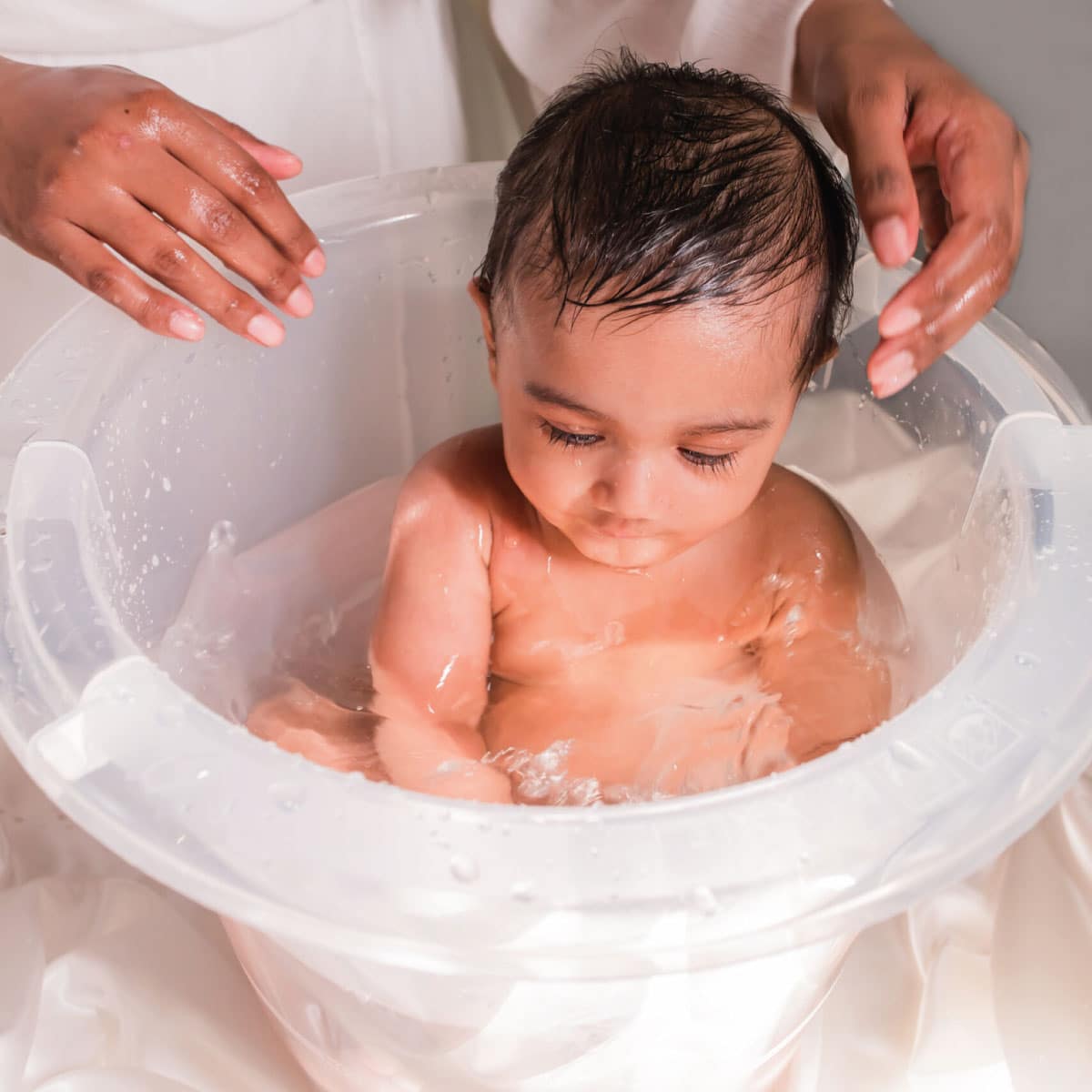
Those upright “bucket-style” baby tubs (like the Tummy Tub and copycats) haven’t been universally banned, but many pediatric and safety groups now discourage “bath buckets” and similar devices because of tipping and drowning risks, so they’re less promoted and harder to find than traditional reclining infant tubs. They tend to get lumped together with other upright bath seats and buckets, which have a history of instability and recalls, pushing retailers and hospitals toward more conventional, reclined newborn tubs instead.
What those bucket tubs are
- Bucket-style tubs are upright, narrow tubs that hold a baby in a more fetal or seated position, rather than lying back in a reclined baby bath.
- They are sometimes marketed as mimicking the womb and saving water, and brands like Tummy Tub still promotes them as safe if used exactly as directed.

Safety concerns that emerged
- Pediatric safety resources now explicitly warn that “bath buckets” are dangerous because they can tip and pose a drowning risk, similar to other household buckets where toddlers can fall in head-first.
- Concerns include: instability/tipping, difficulty seeing and supporting the baby, and the general risk that even a small volume of water can lead to drowning if a caregiver is momentarily distracted.
Regulations and standards
- In 2017, a federal safety standard for infant bath tubs took effect in the U.S., covering various designs including bucket-style tubs and requiring specific performance and warning criteria.
- Products that do not meet these standards (for example, some bath seats sold online) have been recalled for being unstable, tipping over, or allowing entrapment, which has made regulators and retailers more cautious with upright designs in general.
How guidance has shifted
- Major child health organizations and hospital-based guidance now suggest choosing a sturdy, thick-plastic tub with a reclined, supportive surface and explicitly warn against bath buckets, inflatable tubs, and bath rings because of instability.
- Experts also warn that devices meant to hold babies upright (seats, rings, bucket-like supports) can give a false sense of security and tip or allow babies to slide under the water, so active hands-on support is preferred over “hands-free” contraptions.
What this means if you liked them
- A few bucket-style products still exist, but safer mainstream options are the newborn-to-toddler reclining plastic tubs with good non-slip surfaces and no “hands-free” seat rings.
- If someone does use a bucket-style tub, current best practice is: very small amount of water, tub on a stable low surface (not a pedestal or counter), and constant hands-on contact with baby—no stepping away, even briefly.briefly.
Conclusion
As a new mom, you’re likely realizing that a lot of things people “used to do” have been found to be dangerous and are no longer recommended. While the bucket tubs had many advantages, there’s just too much risk when they are used incorrectly or without a lot of attention. It’s better to go with safe in these situations. If you do have one and want to continue using it, make sure to only place on stable surfaces and NEVER take your eyes and hands off baby while bathing.


