
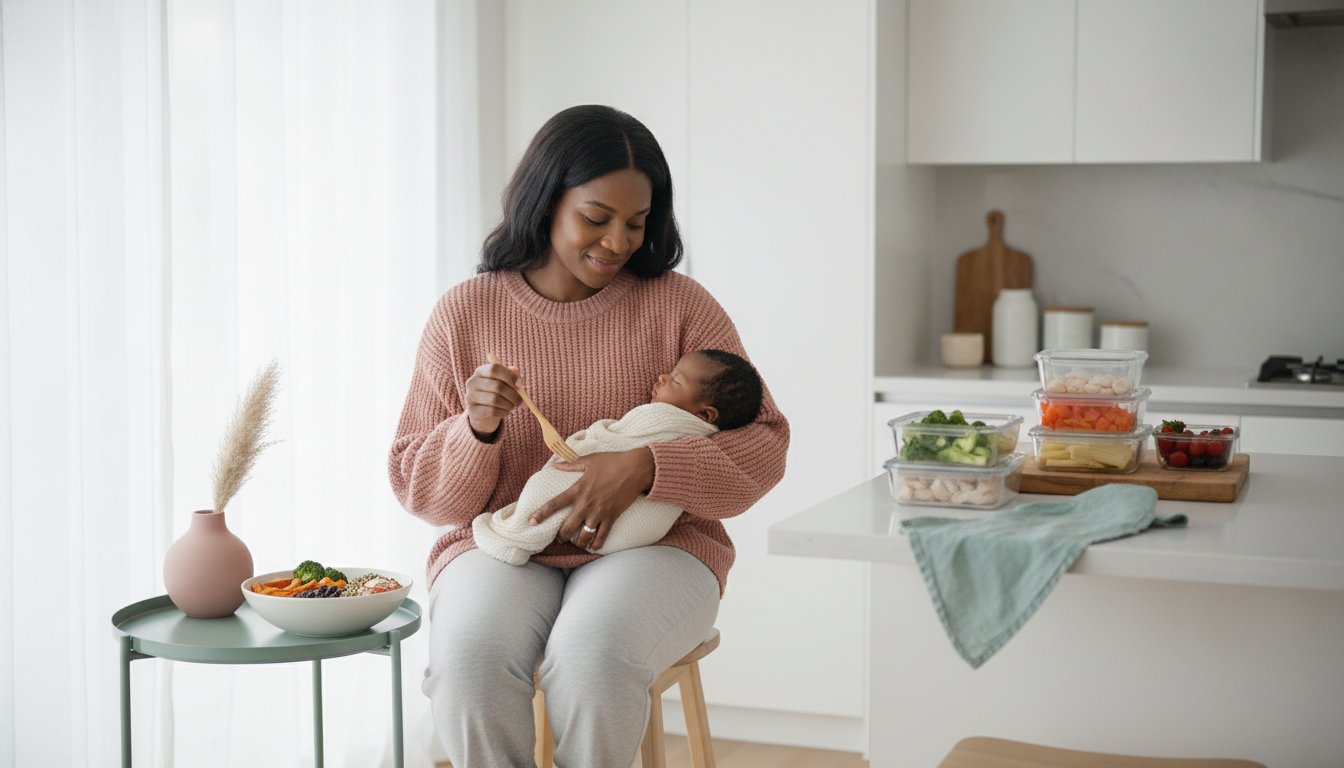
Those last few weeks of pregnancy are a whirlwind of anticipation, planning, and nesting. You’re likely focused on the hospital bag, the nursery, and all the tiny, adorable clothes. But there’s one act of preparation I wish I’d prioritized more with my first baby: stocking my freezer. Because once you’re home, navigating the beautiful, exhausting blur of the newborn phase, the simple act of feeding yourself can feel like a monumental task.
Postpartum meal prep isn’t just about convenience; it’s a profound act of self-care. It’s about giving your healing body the nutrient-dense fuel it desperately needs, stabilizing your energy levels, and freeing up precious mental space so you can focus on what truly matters: recovering and bonding with your new baby. This guide is designed to make it simple, with nourishing, easy-to-eat meal prep ideas for postpartum recovery that will carry you through your fourth trimester.
Why Postpartum Meal Prep is Your Secret to a Saner Fourth Trimester
This plan helps you create a kitchen full of healing foods, reducing stress and giving you more time to bond with your baby.
The “Fourth Trimester”—the first three months after birth—is a period of intense physical and emotional transition. Your body is doing the incredible work of healing from delivery, establishing a milk supply, and rebalancing hormones, all while you’re running on very little sleep. Consistent, nourishing food is not a luxury during this time; it’s a necessity that may help stabilize your mood and reduce the risk of postpartum depletion. Prepping ahead eliminates the “decision fatigue” that often leads to skipped meals or reaching for less-than-ideal snacks. Focusing on warm, easy-to-digest foods can also support your body’s natural healing processes.
The Emotional Impact of a Stocked Kitchen
I remember the overwhelming relief of opening the freezer and seeing neat stacks of labeled meals. It felt like a gift from my past, pregnant self. Having food ready dramatically reduces the mental load of meal planning when you’re sleep-deprived. It means you can grab a nutrient-packed meal with one hand, allowing for more of that precious skin-to-skin bonding time. It also sets clear expectations for partners and family members, making it easy for them to support you by simply reheating a meal.
Transitioning from Pregnancy to Postpartum Nutrition
Your body’s nutritional needs don’t suddenly drop off after the baby is born; in fact, they pivot. The focus shifts from fetal development to your own maternal tissue repair, hormone regulation, and, if you’re breastfeeding, milk production. A well-stocked kitchen helps bridge the gap between the structured meals of the hospital and the often-chaotic reality of life at home with a newborn, ensuring your healing doesn’t take a backseat.
Essential Nutrients for Healing: What to Prioritize in Your Prep
Focus your meal prep on specific ingredients that provide the iron, protein, and healthy fats your body needs for recovery and lactation.
While a “nourishing” meal sounds nice, postpartum recovery has specific nutritional demands. Your body is working hard to replenish stores depleted during pregnancy and birth. Here are the key players to focus on in your meal prep ideas for postpartum healing.
- Iron: It’s common to experience blood loss during delivery, which can lead to low iron levels and feelings of fatigue. The National Institutes of Health notes that iron is critical for making hemoglobin, a protein in red blood cells that carries oxygen throughout your body. Prioritizing iron-rich ingredients like lentils, lean red meat, and dark leafy greens can help replenish your stores.
- Protein: Protein is the essential building block for tissue repair. Whether you’ve had a C-section or perineal tearing, adequate protein intake is crucial for healing muscles and skin. Aim for sources like chicken, eggs, fish, legumes, and Greek yogurt.
- Choline & Omega-3s: These are powerhouses for brain health—both yours and your baby’s. Research suggests that Omega-3 fatty acids, particularly DHA, are vital for a baby’s neurological development and may pass through breast milk. Choline also plays a key role in brain function and may support your mood and energy levels. Find them in eggs, salmon, walnuts, and flax seeds.
- Fiber & Hydration: Postpartum constipation is a common and uncomfortable reality. Staying well-hydrated and eating plenty of fiber from whole grains, fruits, and vegetables is critical for keeping your digestive system moving smoothly.
Top Ingredients for Postpartum Recovery
When you’re making your grocery list, think in terms of these healing categories:
- Bone Broths and Stews: These are easy to digest and packed with collagen and minerals that support tissue repair.
- Leafy Greens and Legumes: Spinach, kale, lentils, and chickpeas are fantastic sources of folate and iron.
- Healthy Fats: Avocado, nuts, seeds, and olive oil provide sustained energy and support hormone production.
The Role of Hydration and Electrolytes
Hydration is non-negotiable, especially if you’re breastfeeding. Breastfeeding mothers may need up to 128 ounces of fluid daily to support milk production and their own needs. Keep a large water bottle nearby at all times. You can also boost hydration and electrolytes naturally with coconut water, bone broth, or by integrating hydrating foods like cucumbers, watermelon, and oranges into your snacks.
15+ Easy & Nourishing Postpartum Meal Prep Ideas
Here are over 15 simple, freezer-friendly, and often one-handed recipes to stock your kitchen for the fourth trimester.
The best postpartum meals are those you can eat with one hand while holding or nursing a baby. This list focuses on nutrient-dense options that freeze beautifully and require minimal effort to enjoy.
Hearty Breakfasts to Start the Day
- Freezer Breakfast Burritos: The ultimate one-handed meal. Scramble eggs with black beans, cheese, and spinach, wrap in a whole-wheat tortilla, and freeze individually in foil. Reheat in the microwave or oven for a protein-packed start to your day.
- Baked Oatmeal Cups: Make a large batch of oatmeal with rolled oats, mashed banana, eggs, and mix-ins like walnuts and blueberries. Bake in a muffin tin and freeze. They are perfect for a quick, fiber-rich breakfast.
- Savory Egg Bites: Think of these as mini, crustless quiches. Whisk eggs with cottage cheese, chopped veggies (like bell peppers and spinach), and a little cheese. Bake in a silicone muffin tin for easy removal and storage.
- Smoothie Packs: Fill freezer bags with pre-portioned smoothie ingredients: a handful of spinach, half a banana, berries, and a scoop of protein powder or ground flaxseed. When you’re ready, just dump the contents into a blender with milk or yogurt.
Lunches & Dinners That Heal
- Lentil and Vegetable Soup: A comforting, iron-rich soup is perfect for healing. Sauté carrots, celery, and onions, then add lentils, vegetable broth, and diced tomatoes. Freeze flat in zip-top bags to save space.
- Chicken and Wild Rice Casserole: A classic comfort food that’s packed with protein and complex carbs. Combine cooked chicken, wild rice, mushrooms, and a creamy sauce in a freezer-safe baking dish.
- Turkey or Beef Meatballs: Make a double batch of meatballs and freeze them raw on a baking sheet before transferring to a bag. You can quickly bake them from frozen and serve with pasta, zucchini noodles, or in a sub.
- Shepherd’s Pie with Sweet Potato Topping: A complete meal in one dish. A base of ground meat and vegetables is topped with nutrient-rich mashed sweet potatoes. Assemble in a disposable aluminum pan for easy freezing and reheating.
- Hearty Beef and Barley Stew: Slow-simmered beef, barley, and root vegetables make for an incredibly nourishing and iron-rich meal. It freezes and reheats perfectly, and the flavors often get even better over time.
- Shredded Chicken or Pork: Cook a large batch of chicken breasts or a pork shoulder in the slow cooker with broth. Shred the meat and freeze it in 1-2 cup portions. It’s incredibly versatile for tacos, sandwiches, or adding to soups.
Smart Snacks for the Nursing Station
- Lactation Energy Bites: No-bake bites are a new mom’s best friend. Combine rolled oats, brewer’s yeast, ground flaxseed, peanut butter, and a touch of honey. Roll into balls and keep them in the fridge or freezer for a quick energy and milk-supply boost. For more tips, check out our guide on how to increase your milk supply.
- Hard-Boiled Eggs: Simple, but effective. Boil a dozen eggs at the start of the week for a perfect, protein-rich snack you can grab and eat instantly.
- Pre-Portioned Trail Mix: Create single-serving bags of a mix with almonds, walnuts, pumpkin seeds, and a little dried fruit. These are shelf-stable and perfect for stashing in your nursing basket.
- Muffins (Sweet or Savory): Bake a big batch of your favorite muffins—like zucchini-carrot or blueberry-bran—and freeze them. They thaw quickly on the counter or with a few seconds in the microwave.
- Frozen Greek Yogurt Bark: Spread Greek yogurt on a parchment-lined baking sheet, top with berries and nuts, and freeze. Break it into pieces for a cool, protein-packed treat.
- Pita Pockets with Hummus or Chicken Salad: While the filling is prepped ahead, the pita itself makes this a spill-proof, one-handed lunch. Just stuff and eat.
While you’re prepping these snacks, it’s also a great time to make sure you’re fully prepared for your feeding journey. An important step is to check your insurance for a free breast pump, as most plans cover one under the ACA.

Your Step-by-Step Batch Cooking Strategy
A smart, phased approach to meal prep will prevent you from getting overwhelmed while you’re still pregnant.
The thought of a marathon cooking session in your third trimester can be daunting. The key is to break it down into manageable chunks. Start your prep around week 34 or 35 of your pregnancy to avoid late-term exhaustion, but don’t leave it so late that an early arrival catches you off guard.
The “Two-Week” Prep Sprint
Instead of one long, exhausting day, try breaking down your prep into a series of 2-hour blocks over a week or two. One day, you might chop all your vegetables. The next, you could make a big batch of soup and a casserole. Another great strategy is “double-batching”—whenever you make dinner for yourself in those final weeks, simply double the recipe and freeze the extra portion. It’s a low-effort way to build your stash.
Essential labeling is your future self’s best friend. Use masking tape or freezer labels and write down three things on every container: the name of the meal, the date it was frozen, and simple reheating instructions (e.g., “Thaw overnight. Bake at 350°F for 20 min.”).
Safe Reheating and Storage Guidelines
Food safety is paramount. Always cool cooked meals completely before sealing and freezing them to prevent ice crystals and freezer burn. For soups and stews, use flat-lay freezer bags to maximize storage space. The safest way to thaw a meal is in the refrigerator overnight, which helps prevent bacterial growth. For even reheating, use a slow cooker or oven for casseroles and stews. As a general rule, most freezer meals maintain their best quality for about three months.
Must-Have Gear to Simplify Your Postpartum Kitchen
The right tools can make a world of difference in your meal prep efficiency, turning a chore into a simple, satisfying task.
You don’t need a professional kitchen, but a few key pieces of gear can make batch prepping much faster and more effective. Investing in a few high-quality items will pay dividends during those chaotic newborn weeks.
- High-Quality Storage: BPA-free glass containers are great because they can go from the freezer to the oven to the dishwasher. For liquids, reusable silicone bags are a game-changer.
- A Reliable Slow Cooker or Multi-Cooker: These appliances are the heroes of “set it and forget it” meal prep. You can make large batches of shredded chicken, stews, and bone broth with minimal active cooking time.
- Vacuum Sealer: While not essential, a vacuum sealer can significantly extend the life of your freezer meals by removing air, which prevents freezer burn and preserves flavor and texture for months.
- Silicone Muffin Liners: These are perfect for freezing individual portions of things like baked oatmeal, egg bites, or even bone broth for easy use later.
Maximizing Freezer Space
Don’t let a small freezer deter you. Use stackable bin systems to keep your postpartum meals organized and separate from your regular groceries. Freezing soups and stews flat in bags allows you to “file” them vertically like books once they’re solid, saving an incredible amount of space. The goal is to find the right balance between individual portions for quick snacks and family-sized trays for easy dinners.
Tools for Efficient Prepping
A good high-speed blender is invaluable for making quick, nutrient-dense smoothies that you can sip on while nursing. A food processor can also cut down vegetable chopping time from minutes to seconds, which is a huge help when your energy is low. For more expert recommendations on the best kitchen tools for new parents, explore our comprehensive Buyers Guide.
Frequently Asked Questions
When should I start meal prepping for postpartum?
A good time to start is around 34-36 weeks of pregnancy. This gives you enough time to build a good stash without being too exhausted in the final days before your due date.
What are the best foods to eat immediately after giving birth?
In the first few days, focus on warm, soft, and easily digestible foods. Think bone broth, congee (rice porridge), well-cooked stews, and oatmeal. These are gentle on your digestive system and provide comforting, easily absorbed nutrients.
How much extra freezer space do I really need for postpartum meals?
Aim to clear out at least one full shelf in your main freezer or consider investing in a small chest freezer if space and budget allow. Even a few cubic feet of dedicated space can hold several weeks’ worth of meals if packed efficiently.
Can I meal prep if I have a small kitchen or limited tools?
Absolutely. Focus on one-pot meals like soups, chilis, and curries that don’t require a lot of different tools. “Double-batching” your regular dinners is also a great small-space strategy that doesn’t feel like a separate project.
Which foods should I avoid prepping if I plan to breastfeed?
Most foods are perfectly fine, but some babies can be sensitive to things in their mother’s diet. Common culprits can include dairy, soy, and gassy vegetables like broccoli or cabbage. However, there’s no need to avoid these foods unless you notice a clear reaction in your baby (like excessive fussiness or gas).
How long do freezer meals typically stay fresh?
For best quality, most cooked meals should be consumed within 3 months. While they may be safe to eat for longer, their texture and flavor can degrade over time.
What is the safest way to reheat frozen postpartum meals?
The safest method is to thaw the meal in the refrigerator for 24 hours before reheating. If you’re short on time, you can use the defrost setting on your microwave, but be sure to heat it until it’s steaming hot throughout to kill any potential bacteria.
Is it better to prep individual portions or family-sized meals?
A mix of both is ideal. Individual portions (like burritos and muffins) are perfect for one-handed lunches and snacks. Family-sized casseroles and stews are great for easy dinners that you and your partner can share, which can be especially helpful if you have a partner who needs support, too. If you are worried about your partner’s mental health, you can learn more about how to support a spouse with postpartum depression.
Preparing food for your fourth trimester is one of the most practical and loving things you can do for your future self. It’s an investment in your health, your peace of mind, and your ability to be present during one of the most transformative times of your life. Every container you label is a promise that you will be cared for, nourished, and supported as you embark on the incredible journey of motherhood.
Ready to get the best gear for your new life? Find the best meal prep gear and newborn essentials in our Buyers Guide, trusted by over 1 million first-time moms and filled with expert-vetted product reviews and medically reviewed health guidance.
Disclaimer
Pregnancy Magazine content is based on the latest research and information available, but is not meant to be medical advice or instruction. See a medical professional for direction for your specific situation or case.
We strive to be objective in our buyer's guide reviews and usually compare a variety of products in a category. Pregnancy Magazine is supported by sales from referring links.


