
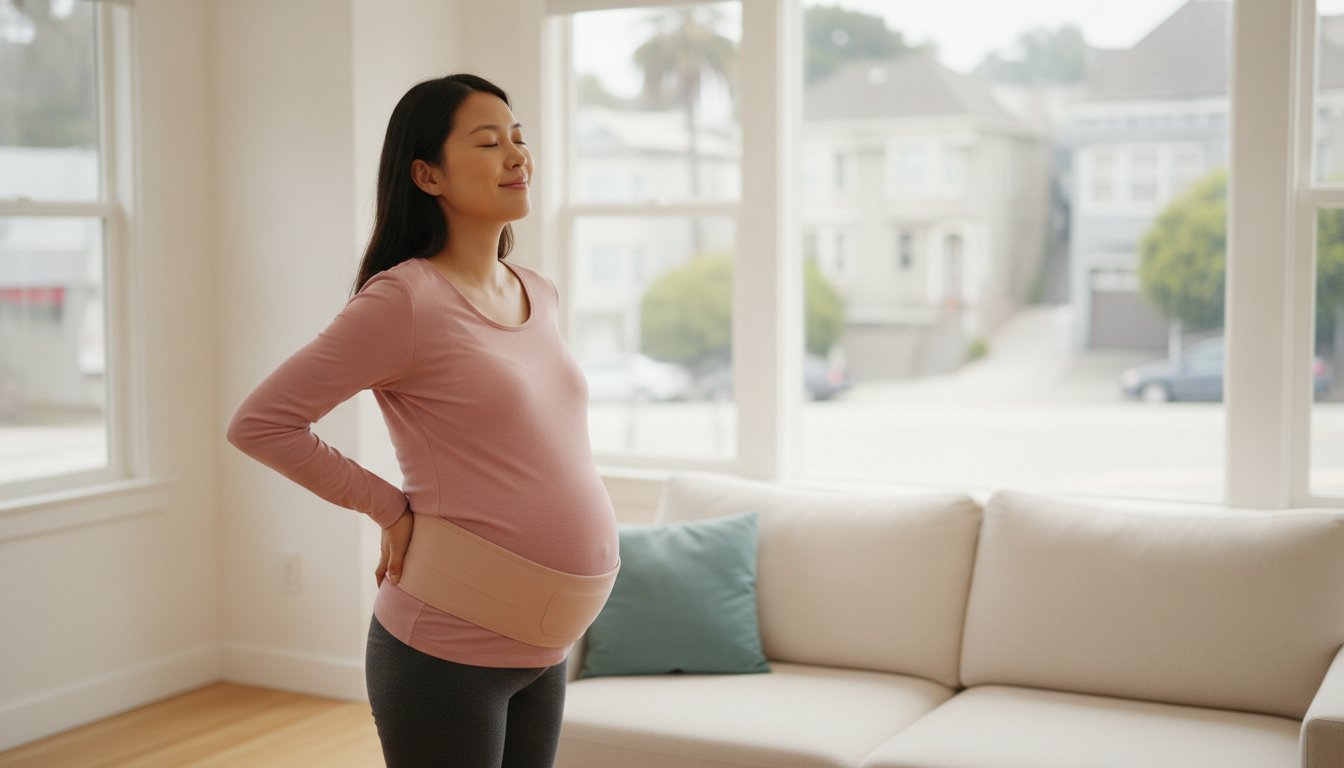
Did you know that between 50% and 80% of us will deal with back pain at some point during our pregnancy? I’ve been there, trying to power through a walk while feeling that sharp, stinging SI joint pain with every single step. It’s more than just a minor annoyance. It affects how we work, how we play, and how we sleep. Finding a reliable maternity support belt for back pain can be the simple shift that helps you reclaim your mobility and comfort.
We all want to stay active and feel strong, but that heavy sensation in the pelvic floor or a constant dull ache in the lower back makes it hard to focus on anything else. You might feel like you’re just supposed to tough it out, but research suggests that these support garments can actually help stabilize your joints and reduce daily pain levels. It’s about giving your body the extra hand it needs during this massive transformation.
This expert-backed guide is here to help you find the perfect fit for your changing body. I’ll walk you through the top-rated belts for 2026, explain the difference between lumbar and pelvic support, and give you clear steps on how to wear your belt correctly. You deserve to feel supported every step of the way.
Key Takeaways
- Learn how shifting hormones and your changing center of gravity affect your joints so you can target the root cause of your discomfort.
- Discover how to choose the right maternity support belt for back pain by matching the belt’s architecture to your specific area of ache, whether it’s your lower back or pelvic floor.
- Master the “under-the-bump” positioning technique to ensure you are supporting your pelvic bones without putting unnecessary pressure on your baby or bladder.
- Explore our curated 2026 reviews of top-performing supports, including modular kits that research suggests may help manage severe symptoms like SPD and pelvic girdle pain.
- Understand why combining your support belt with gentle movement and proper ergonomics may provide the most effective and lasting relief for your body.
Why Pregnancy Causes Back Pain and How Support Belts Help
Understanding how your hormones and posture change during pregnancy helps you choose a support tool that actually works for your specific needs.
Our bodies perform a quiet miracle as they prepare for baby, but that process often feels quite loud in the form of daily aches. This discomfort is usually triggered by relaxin, a hormone that softens your ligaments to help your body expand. While this flexibility is essential for birth, it often leads to joint instability that makes simple tasks feel difficult.
As your bump grows, your center of gravity naturally pulls forward. This shift forces your lower back muscles to work much harder to keep you balanced and upright. Using a maternity support belt for back pain provides an extra layer of stability, acting like an external ligament to cradle your pelvis. These garments may help redistribute weight more evenly, which research suggests can significantly reduce muscle fatigue.
Lower Back Pain vs. Pelvic Girdle Pain (PGP)
Identifying the source of your discomfort is the first step toward finding the right relief. Lumbar pain is that familiar stiffness or dull ache in the small of your back that peaks after a long day. In contrast, Pelvic Girdle Pain (PGP) and Symphysis Pubis Dysfunction (SPD) usually feel like sharp, shooting pains in the front of the pelvis or deep within the hips.
Knowing exactly where you hurt helps you select the right belt architecture. A wider lumbar band is often best for lower back stiffness, while a narrower, firmer belt is better for stabilizing the pelvic ring. Many moms find that a modular system works best if their pain moves around as the pregnancy progresses.
The Science of Compression and Stability
Think of a support belt as a gentle, stabilizing hug for your hips and abdomen. This light compression helps ‘reset’ the sacroiliac (SI) joints, which can easily become misaligned during the second and third trimesters. It also provides a lifted sensation that reduces the ‘heavy’ feeling many of us experience in the lower abdomen.
Beyond just pain relief, these belts can help you move with more confidence. Research suggests that wearing a correctly fitted brace may improve your overall posture and balance. Instead of arching your back to carry the weight, the belt supports a neutral spine, which helps you stay active and comfortable for longer periods.
Choosing the Right Architecture for Your Support
The structure of your belt should match the intensity of your daily activity and the location of your pain. Picking the wrong style is like wearing heavy hiking boots to the beach; it just won’t feel right for the environment.
If you’re dealing with sharp, specific pain near your tailbone or hips, a narrow SI belt might be your best friend. These are designed to stabilize the pelvic ring specifically. On the other hand, wide lumbar bands cover more surface area. They are excellent for those long days when your whole lower back feels like it’s giving out from muscle fatigue.
Look for a maternity support belt for back pain that includes ‘tension straps.’ These extra bands allow you to tighten or loosen the support without taking the whole thing off. It’s a lifesaver when you transition from standing at a grocery store to sitting in a car. You need that flexibility to stay comfortable as your belly shifts throughout the day.
Belly Bands vs. Maternity Support Belts
It’s easy to get these confused, but they serve very different roles. Belly bands are usually flexible, seamless tubes of fabric. They’re great for extending the life of your pre-pregnancy jeans or providing very light, gentle support. They feel like a snug camisole.
True support belts are more structural. They are often considered medical devices designed for active pain management. If you find that a simple fabric band no longer stops the aching, it’s probably time to transition to a belt with more rigid or semi-rigid support. You can find more detailed comparisons in our maternity support belt buyers guide to see which level of support fits your current trimester.
Materials and Comfort Features
Breathability is everything, especially if you’re active or living in a warmer climate. Moisture-wicking mesh is a fantastic choice for exercise. It keeps you cool and prevents that itchy, sweaty feeling that can make you want to rip the belt off by noon. If you have very sensitive skin, look for bands lined with soft cotton instead.
- Tapered Designs: These are narrower at the sides so they don’t dig into your hip bones when you sit down.
- Velcro Quality: High-quality, medical-grade velcro stays secure even after months of daily use.
- Adjustability: Ensure the belt can grow with you from the second trimester through those final weeks.
A good belt should feel like a reliable companion, not an obstacle. When the materials are soft and the design is thoughtful, you’ll almost forget you’re wearing it. That’s the goal: getting back to your day without the constant reminder of back pain.
Top Maternity Support Belts for Back Pain in 2026
We’ve curated the top-performing supports based on expert reviews and real-world durability tests for 2026. Finding the right maternity support belt for back pain shouldn’t feel like a chore, so we’ve categorized these by the specific type of relief they provide for your daily life.
At PregnancyMagazine.com, we understand that a mom carrying twins has very different needs than a mom who is training for a prenatal 5K. For those dealing with severe SPD or PGP symptoms, a modular pelvic support kit is often the most effective choice. These systems use multiple adjustable straps that you can customize as your bump grows, providing the stability your joints may be missing.
Active moms who continue to exercise often prefer a lightweight, breathable mesh belt. These designs prioritize airflow so you don’t get too hot during a prenatal yoga class or a brisk walk. They provide just enough lift to reduce that heavy feeling in your lower abdomen while staying securely in place during movement.
If you only feel an ache at the end of a long day, a budget-friendly adjustable band is a practical tool to have in your nursery. These are easy to slip on and off over your clothes. They offer a simple, high-quality way to take some pressure off your spine without adding a lot of extra bulk to your outfit.
For those carrying multiples or experiencing high-belly pressure, a full-torso support garment can be a game changer. These garments provide support from the shoulders down, almost like a specialized tank top. They may help redistribute weight for moms who feel like their bump is pulling their entire posture forward.
Best for Pelvic Girdle Pain and SI Joint Stability
Research suggests that belts with secondary tension straps are most effective for stabilizing the pelvic ring. These straps should sit low on your hips to provide the firm compression needed to prevent ‘shearing’ forces. This is that sharp, stabbing sensation that often happens when your pelvic joints move slightly out of alignment.
- Low-Hip Placement: Keeps the pressure on the pelvic bones rather than the soft tissue of the waist.
- Groin Strap Attachments: Some parents find these provide essential relief for vulvar varicosities by adding upward pressure.
- Non-Slip Linings: Ensures the belt stays put even when you are transitioning from sitting to standing.
Best for Lower Back and Lumbar Support
If your pain is mostly in the small of your back, look for a wider band that covers the lumbar spine area. Many of these designs include built-in ‘stays’ or flexible plastic supports that prevent the fabric from rolling down. These features work together to help you maintain a neutral spine while you are standing or walking.
By supporting the lower back, these belts may help reduce the intense muscle strain caused by your shifting center of gravity. They act as a gentle reminder to keep your shoulders back and your pelvis tucked. This small shift in posture can lead to a significant reduction in daily pain levels by the time you reach the third trimester.

How to Safely Wear and Position Your Belt
Correct placement is essential to ensure you are supporting your joints without putting undue pressure on your baby or bladder.
Even the most expensive maternity support belt for back pain won’t do its job if it is sitting in the wrong spot. I’ve seen many moms pull their belts too high, across the middle of their bump, which can actually increase pressure on the stomach rather than relieving it. To get the relief you need, follow these simple steps for a safe and comfortable fit.
- Step 1: Position the belt low, right under your ‘bump.’ It should rest on your pelvic bones to cradle the weight of the uterus from below.
- Step 2: Secure the main band first while standing up straight. Once that feels stable, adjust the secondary tension straps to find your preferred level of compression.
- Step 3: Use the ‘two-finger’ rule. You should be able to slide two fingers comfortably between the belt and your skin to ensure it isn’t restricting your circulation.
- Step 4: Practice sitting down before you leave the house. If the belt pinches your thighs or makes it hard to breathe, it may be too low or too tight.
When and How Long to Wear Your Support
Most experts suggest wearing your belt during your most active hours. This might include when you are grocery shopping, cleaning the house, or going for your daily walk. It’s a tool to help you manage the ‘heavy’ periods of the day when gravity feels like your biggest enemy.
However, it is important to take regular breaks. Some parents find that wearing the belt for 2 to 3 hours at a time is the sweet spot. Research suggests that relying on a brace 24/7 may cause your core muscles to become a bit ‘lazy,’ so you want to give your body time to support itself naturally too. You should generally avoid wearing a support belt while sleeping unless your doctor has specifically told you otherwise. For more tips on managing trimesters and gear, check out our maternity gear buyers guide.
Signs Your Belt is Fitted Incorrectly
Your body is excellent at giving you feedback, so it’s important to listen to it. If you feel increased pelvic pressure, numbness in your legs, or any shortness of breath, those are clear red flags that the belt is too tight or positioned poorly. The goal is a gentle lift, not a restrictive squeeze.
Skin irritation is another common issue, especially if you have sensitive skin. To prevent itching or redness, try wearing a thin, soft tank top under the belt. This creates a protective barrier and makes the whole experience much more comfortable. As you move into those final weeks of pregnancy, don’t be afraid to size up. A belt that fit perfectly at 24 weeks might start to feel like it’s digging in by week 36.
Beyond the Belt: A Holistic Approach to Pregnancy Comfort
While a belt is a fantastic tool, combining it with gentle movement and proper ergonomics provides the best long-term relief.
A maternity support belt for back pain works wonders for immediate relief, but it’s just one piece of the puzzle. I’ve found that true comfort comes from looking at how we move and rest throughout the whole day. Some moms find that working with a prenatal physical therapist helps them address the specific muscle imbalances that cause chronic aching in the first place.
Your sleep setup matters just as much as your daytime gear. Using a full-body pregnancy pillow can help keep your hips aligned while you’re on your side. This reduces the strain on your lower back and prevents that stiff, "stuck" feeling when you wake up in the morning. It’s all about creating a supportive environment for your body to recover while you rest.
Exercises to Complement Your Support
Gentle movement can help keep your spine flexible and your core strong. Many experts suggest simple stretches like pelvic tilts or "cat-cow" positions to relieve pressure on your vertebrae. These movements help you maintain a neutral spine and counteract the forward pull of your growing bump.
- Pelvic Tilts: These help tuck the pelvis and stretch the lower back muscles.
- Cat-Cow: A rhythmic movement that gently mobilizes the entire spine.
- Deep Core Work: Strengthening the transverse abdominis provides natural internal support for your abdomen.
Always talk to your OB-GYN before you start a new exercise routine. They can help you make sure these movements are safe for your specific pregnancy. Keeping your muscles active helps you maintain the strength you’ll need for labor and the postpartum weeks ahead.
Planning for the Third Trimester and Beyond
It’s also smart to think about how your needs will change after baby arrives. Many of the best support belts are modular. This means you can often repurpose them for postpartum belly binding. This can help you feel more stable as your body begins the long process of healing and recovery after delivery.
Don’t forget to check your health insurance benefits for maternity essentials. You might be surprised at what is covered. For instance, some parents find they can get a free breast pump through insurance, which helps save your budget for other comfort items like high-quality pillows or supportive shoes.
This stage of life is a major transition, and it’s okay to feel a bit overwhelmed by the physical changes. Just remember that the discomfort is temporary. With the right tools and a little bit of self-care, you can find the relief you need to enjoy these final weeks with confidence.
Reclaim Your Mobility and Comfort
Pregnancy is a beautiful transformation, but it shouldn’t have to be a painful one. Finding the right maternity support belt for back pain can be the difference between feeling stuck on the couch and enjoying your daily walk. We’ve explored how the right architecture and a proper fit can stabilize your joints and lift the weight off your tired muscles.
Our 2026 guide is based on real-world feedback from the Pregnancy Magazine community and has been expert-vetted for accuracy. Prenatal specialists have reviewed these recommendations to ensure they meet the highest standards for medical safety. By combining a structural belt with gentle movement and smart ergonomics, you’re giving your body the best chance to thrive during these final months.
If you’re ready to find the perfect match for your bump, shop our top-rated maternity support belts to see which options prenatal specialists recommend for your specific trimester. You’re doing an incredible job growing a human, and you deserve to feel supported every step of the way.
Frequently Asked Questions
Can wearing a maternity belt hurt the baby?
When worn correctly, a maternity belt will not hurt your baby. These garments are designed to provide external support to your joints and ligaments. Just make sure it isn’t too tight; you should always be able to breathe deeply and move comfortably without feeling restricted.
How many hours a day should I wear my support belt?
Most experts suggest wearing your support belt for 2 to 3 hours at a time during your most active periods. Wearing it all day can lead to muscle dependency. It’s best to use it when you’re walking, cleaning, or standing for long stretches to manage daily fatigue effectively.
Do I need a different belt for the third trimester?
You don’t necessarily need a new belt, but you must ensure your current one is highly adjustable. As your bump grows, your center of gravity shifts further. Many moms find that a modular maternity support belt for back pain is the best investment because it can expand along with your changing body.
Can I wear a maternity support belt while sitting at a desk?
Yes, you can wear a belt while sitting, but you may need to loosen the tension straps for comfort. Look for a tapered design that is narrower at the sides. This prevents the material from digging into your hips or thighs while you’re working at your desk or driving.
What is the difference between a belly band and a support belt?
A belly band is typically a seamless, stretchy tube used for light support or to keep your unzipped pre-pregnancy jeans in place. A support belt is a more structural medical device. Belts are designed specifically to stabilize the pelvis and reduce significant pregnancy-related aches through targeted compression.
Will a support belt help with round ligament pain?
Research suggests that a support belt may help reduce round ligament pain by gently lifting the weight of the uterus. This lift takes the direct strain off the ligaments that are stretching to support your bump. It can be especially helpful during sudden movements or during your daily exercise routine.
How do I wash my maternity belt without ruining the velcro?
To protect the velcro, always close all the fasteners before putting the belt in the wash. Place it in a mesh laundry bag and use a gentle cycle with cold water. Avoid the dryer at all costs; air drying helps the elastic and velcro stay strong and effective for much longer.
Can I use my pregnancy belt for postpartum recovery?
Many parents find that their pregnancy belt works perfectly for postpartum recovery and belly binding. It can provide much-needed stability for your core as your organs and muscles begin to shift back into place. Just check with your healthcare provider to ensure it’s appropriate for your specific recovery path after delivery.
Disclaimer
Pregnancy Magazine content is based on the latest research and information available, but is not meant to be medical advice or instruction. See a medical professional for direction for your specific situation or case.
We strive to be objective in our buyer's guide reviews and usually compare a variety of products in a category. Pregnancy Magazine is supported by sales from referring links.


