
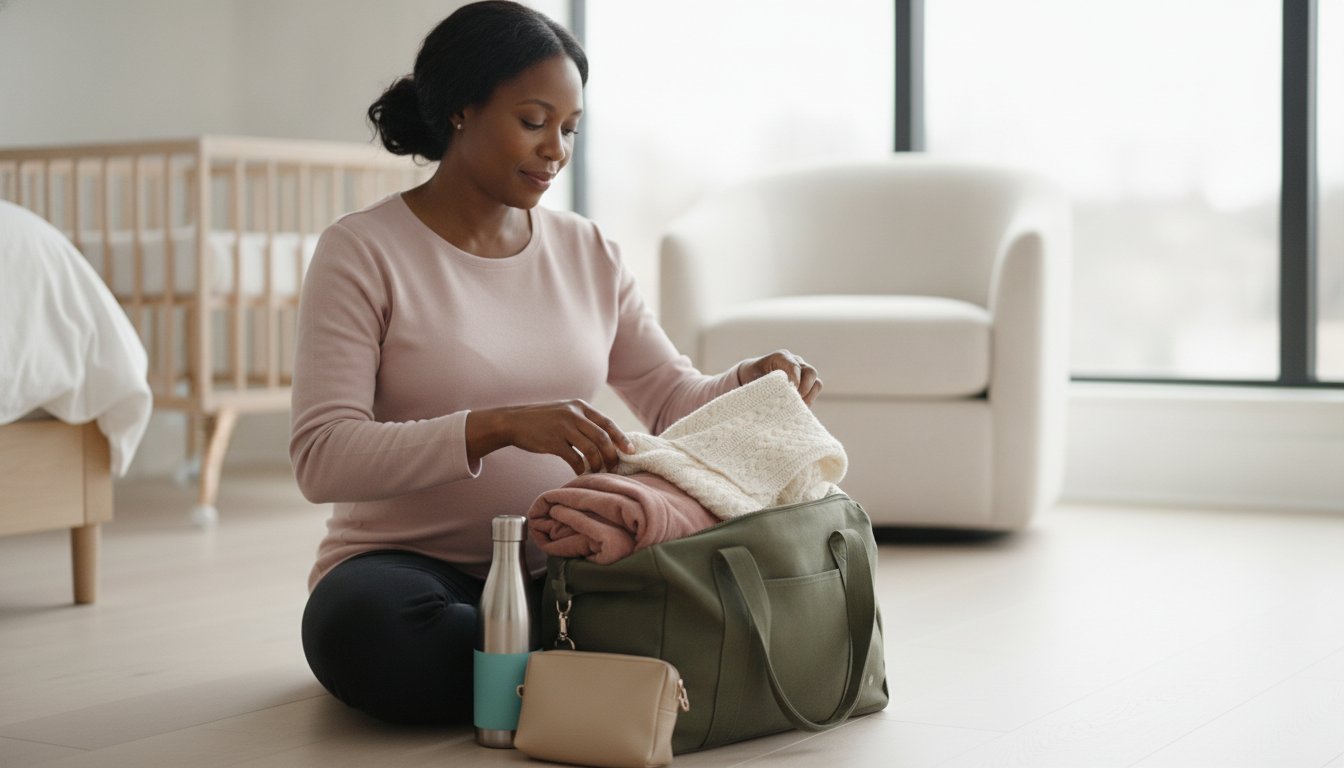
That third-trimester nesting instinct is a powerful force, isn’t it? One minute you’re organizing spice jars, and the next you’re staring at an empty duffel bag, wondering what you could possibly need for one of the most transformative days of your life. The internet offers endless lists, and it’s easy to feel overwhelmed, anxious about forgetting something vital or, just as stressful, hauling three suitcases into a tiny hospital room.
Take a deep breath. Packing your hospital bag isn’t just a task to check off your list; it’s an act of self-care. It’s about creating a sense of calm and control as you prepare to meet your baby. This expert-vetted guide is designed to help you pack with purpose, focusing on what you’ll actually use and leaving the rest behind. We’ll cover the essentials for you, your baby, and your support person, so you can walk into that delivery room feeling prepared, empowered, and ready for what’s next.
This guide combines the latest medical recommendations with the nurturing, real-world wisdom of parents who have been there. We’ll help you balance clinical necessities with the personal comforts that can transform a sterile room into your own peaceful sanctuary.
When to Pack Your Hospital Bag: Timing and the Two-Bag Strategy
Deciding when to pack your hospital bag is all about finding the sweet spot between being prepared and having a packed bag collect dust in the corner for months. The key is to be ready before you think you need to be, giving you one less thing to worry about as your due date approaches.
- The “Golden Window”: For most uncomplicated pregnancies, having your bags ready between 34 and 36 weeks is ideal. This ensures you’re prepared for an early arrival without feeling rushed.
- High-Risk Considerations: If you are expecting multiples or have been advised of potential complications, aim to have your bags packed by week 32. Your care team can provide a more specific timeline based on your health history.
- The “Two-Bag” Strategy: To stay organized, consider packing one bag for labor and delivery and a second for your postpartum stay. This prevents you from having to dig through newborn outfits to find your lip balm during a contraction.
- Ready to Go: Once packed, keep the bags in a convenient spot. The trunk of your car or a closet by the front door are perfect places for a quick and easy exit when the time comes.
Why Timing Matters for Your Peace of Mind
That urge to organize and prepare, often called the “nesting” instinct, is your body’s way of getting ready. Leaning into it by packing your bag can be incredibly calming. Research suggests that feeling prepared can help reduce stress hormones like cortisol in the third trimester, which is a gift to both you and your baby.
Labor is beautifully unpredictable, and some babies decide to make their debut before the official “full-term” mark at 37 weeks. Having your bag packed and waiting is a profound act of kindness to your future self. When you’re focused on timing contractions, the last thing you’ll want to do is scramble to find a phone charger and your toothbrush.
Organizing with the Two-Bag Method
The thought of carrying multiple bags might seem like a hassle, but this strategy is all about efficiency. It keeps your labor room uncluttered and ensures you have exactly what you need, right when you need it.
- Bag 1: The Labor Bag: This is your go-bag. It contains everything you’ll want from the moment you’re admitted until your baby arrives. Think comfort items, snacks, your birth plan, and a phone charger.
- Bag 2: The Postpartum Bag: This bag can stay in the car until after the birth when you’ve been moved to your recovery room. It holds your going-home outfits, toiletries for that first glorious shower, and baby’s essentials for the ride home.
- The “Essentials Pouch”: Within your labor bag, keep a small, clearly marked pouch with your photo ID, insurance card, and a few copies of your birth plan. This makes the check-in process smooth and stress-free.
Labor and Delivery Essentials: Creating Your Birth Sanctuary
The goal during labor is to create an environment that feels safe, calm, and supportive, which helps your body produce oxytocin—the hormone that drives contractions and bonding. Packing items that bring you comfort is not an indulgence; it’s a crucial part of preparing for birth.
- Comfortable Clothing: While the hospital provides a gown, many find it itchy and revealing. A dark-colored, loose-fitting nightgown, a soft robe, or a labor gown you’ve purchased yourself can make a world of difference in how comfortable you feel.
- Hydration and Energy: Labor is a marathon. Pack a reusable water bottle with a straw, electrolyte drinks, and easy-to-digest snacks like honey sticks, dates, or granola bars. Always check with your provider about their policies on eating and drinking during labor.
- The “Comfort Kit”: Contractions and breathing exercises can lead to dry mouth. A small pouch with lip balm, a few hair ties or a headband, and some sugar-free hard candies or lozenges can be a lifesaver.
Sensory Comforts for Labor Support
Hospitals are functional, not cozy. The bright lights and constant beeping can be jarring when you’re trying to focus inward. Packing a few simple items can transform the atmosphere of your room and help you cope with the intensity of labor.
- Sound: Create a labor playlist with music that calms or energizes you. A small Bluetooth speaker can fill the room, while a pair of noise-canceling headphones can help you tune out distractions, especially if you’re in a shared room.
- Scent: Your sense of smell is powerfully tied to emotion. An essential oil roller with a calming scent like lavender can be applied to your wrists, or a few drops of peppermint oil on a cotton ball can help ease nausea.
- Lighting: The overhead fluorescent lights in a hospital room can feel harsh. A simple strand of battery-operated fairy lights or a few flameless tea lights can cast a soft, warm glow, instantly making the space feel more serene.
Practical Tech and Paperwork
While comfort is key, a few practical items are non-negotiable. Having these things organized and easily accessible will prevent any last-minute stress for you or your partner.
- The 10-Foot Phone Charger: This is a veteran parent tip for a reason. Hospital outlets are almost never located conveniently next to the bed. A long charging cord ensures your phone stays powered up for photos, updates, and distractions.
- A Printed Copy of Your Birth Plan: Even if you’ve discussed your preferences with your provider, having a few printed copies makes it easy for the nursing staff to quickly reference your wishes. While digital is great, paper is often faster for a busy nurse to scan.
- ID and Insurance Cards: As mentioned before, keep these in a dedicated pouch. You’ll need them for admission, and having them handy means your partner doesn’t have to dig through your entire bag during check-in.
Postpartum Recovery: Packing for the Fourth Trimester Transition
After your baby arrives, the focus shifts from laboring to recovering and bonding. Your body has just done something incredible, and it needs gentle care. The items in your postpartum bag are all about supporting this transition into the fourth trimester.
- Clothing for the “In-Between”: Your body won’t snap back to its pre-pregnancy size overnight. Pack loose, comfortable clothing like high-waisted leggings, soft joggers, and a few nursing-friendly tops or button-down pajamas.
- Supportive Underwear: Bring several pairs of high-waisted, dark-colored cotton underwear that you don’t mind getting messy. Disposable postpartum briefs are also a fantastic, comfortable option.
- Nursing Essentials: If you plan to breastfeed, pack at least two comfortable, supportive nursing bras or tanks. A good lanolin or nipple cream can also help soothe soreness in those early days as you and your baby learn to latch.
- Personal Hygiene: That first postpartum shower can feel like a spa day. While the hospital provides soap, bringing your own travel-sized toiletries—shampoo, conditioner, body wash, and face wash—can make you feel so much more human. Don’t forget a toothbrush and toothpaste!
Vaginal vs. C-Section Recovery Needs
Your recovery needs will differ slightly depending on your mode of delivery. While many items overlap, a few specific additions can make a big difference in your comfort.
- For Vaginal Birth: The hospital will provide a peri-bottle for perineal care, but some moms prefer the angled-neck design of ones you can buy ahead of time. You may also want to bring a perineal spray with witch hazel for extra cooling relief.
- For C-Section: The key is to avoid anything that puts pressure on your incision. Pack ultra high-waisted “granny panties” that sit well above your incision line. Loose-fitting dresses or nightgowns can also be more comfortable than pants.
- For Both: Loose, button-down pajamas are a great choice for any new parent. They won’t irritate a C-section incision and provide easy access for skin-to-skin contact and breastfeeding.
Feeding and Breastfeeding Support
Whether you plan to breastfeed or formula feed, those first few days are a learning curve. Having a few supportive items can make the process feel less intimidating.
- A Comfortable Nursing Pillow: A nursing pillow can be a back and arm-saver, helping you position the baby comfortably at the breast without straining your muscles, which is especially helpful if you’re recovering from a C-section.
- Breastfeeding Support: Before your baby even arrives, it’s worth noting that you may be able to get a free breast pump through your insurance plan. During your hospital stay, your body will be producing colostrum, a nutrient-dense “liquid gold” that provides your baby with everything they need in the first few days.
If friends or family ask what you could use once your baby arrives, share our list of gifts new moms actually need for practical ideas that make the first weeks easier.

Welcoming Baby and Supporting the Partner: Gear for the Team
While your needs are central, you aren’t going through this alone. Packing thoughtful items for your baby and your support person ensures the entire team is comfortable, cared for, and ready for the big moments.
- Baby’s Going-Home Outfit: This is a fun one! Pack two outfits in different sizes—one in newborn and one in 0-3 months. You never know exactly how big your little one will be, and this covers your bases. Make sure it’s weather-appropriate.
- Partner Survival Gear: Hospital stays can be tough on partners, who often end up sleeping on a small, uncomfortable couch. A dedicated bag for them with snacks, a change of clothes, a phone charger, and their own pillow can make a huge difference.
- The Car Seat: This is the single most important piece of gear for leaving the hospital. While it doesn’t go in your bag, have the infant car seat properly installed in your vehicle around the 35-week mark. According to the National Highway Traffic Safety Administration, it’s crucial to ensure the seat is installed correctly long before you need it. You can even have it checked by a certified Child Passenger Safety Technician.
The Baby Essentials List
Your newborn’s needs are simple: to be fed, warm, and close to you. The hospital will provide most of what they need during your stay, but you’ll want these few things for photos and the ride home.
- A Soft Blanket: A special swaddle or receiving blanket is perfect for photos and for tucking around your baby in the car seat on the way home.
- Socks and Mittens: Newborns can get cold feet easily, so a pair of soft socks is a good idea. Scratch mittens can prevent them from accidentally scratching their delicate face, as their nails can be surprisingly sharp at birth.
- Nail File: Many hospitals have policies against clipping a newborn’s nails. A soft emery board is a safe alternative if you notice a sharp edge that needs smoothing.
The Support Person’s Survival Kit
A well-rested and well-fed partner is a better support person. Their needs are often overlooked in the excitement, so packing a dedicated bag for them is a thoughtful and practical step.
- Comfortable Clothing: At least one full change of clothes is a must, including something comfortable to sleep in. A button-down shirt is also a great idea, as it allows your partner to easily enjoy skin-to-skin bonding time with the baby, too.
- A Dedicated Snack Bag: Pack it with protein bars, trail mix, and any other favorite snacks and drinks. This will keep them fueled without having to rely on the vending machine or leave your side for the cafeteria.
- Toiletries and a Towel: A small bag with their own toothbrush, deodorant, and other essentials is crucial. A small, dark-colored towel is also smart, as hospital towels can be small and thin.
What to Leave at Home: A Realistic Look at Hospital Amenities
Overpacking is one of the most common mistakes first-time parents make. It creates clutter in a small room and adds stress to your departure. Knowing what the hospital typically provides can help you edit your list down to the true essentials.
- Diapers and Wipes: Unless you have a strong preference for a specific brand, leave these at home. U.S. hospitals provide an abundance of diapers and wipes for your baby during your stay, and you can take the open packages home with you.
- Formula and Bottles: If you plan to formula feed, the hospital is well-stocked with ready-to-feed newborn formula and disposable bottles. Only bring your own if you are committed to a specific type your hospital doesn’t carry.
- Valuables: A hospital is a busy place with many people coming and going. Leave expensive jewelry, including your wedding and engagement rings (especially if your fingers are swollen), and large amounts of cash at home for safekeeping.
Items the Hospital Usually Provides
Hospitals are prepared for new parents and provide many of the postpartum and newborn care items you’ll need. Before you buy a full suite of recovery gear, know that these items are typically standard issue.
- Postpartum Supplies: You will be given mesh underwear, heavy-duty maternity pads, a peri-bottle, and often numbing spray or witch hazel pads for perineal care.
- Baby Basics: During your stay, the hospital will provide basic short-sleeved onesies, hats, and swaddle blankets for your baby to use.
- Lactation Support: Most hospitals have lactation consultants on staff who can assist you with breastfeeding after delivery. They are an invaluable resource for helping with latch and answering your early questions.
The “Maybe” List: Check with Your Facility
Some amenities vary from one hospital to another. A quick look at your hospital’s website or a question during your tour can provide clarity on whether you need to pack these items.
- Breast Pumps: If you need to pump during your stay for any medical reason, the hospital will provide a hospital-grade pump and all the necessary parts for you to use. You won’t need to bring your personal pump.
- Pillows: Hospital pillows are notoriously thin and often covered in plastic. Many people find that bringing a pillow from home greatly improves their comfort. Just be sure to use a brightly colored or patterned pillowcase to distinguish it from the hospital’s linens.
- Hair Dryer: This is a hit-or-miss item. Some modern maternity wards have hair dryers in the rooms, but many do not. If a post-shower blowout will make you feel amazing, it’s probably worth packing your own.
Frequently Asked Questions
How many weeks pregnant should I be when I pack my hospital bag?
A good rule of thumb is to have your bag packed and ready to go between 34 and 36 weeks of pregnancy. If you have a high-risk pregnancy or are expecting multiples, it’s wise to pack closer to 32 weeks.
Do I need to bring my own diapers and wipes to the hospital?
No, the hospital will provide you with all the diapers and wipes your baby needs during your stay. They will also send you home with any leftover supplies from the open packages in your room.
What should I wear during labor at the hospital?
You can wear the provided hospital gown, or you can bring your own comfortable clothing. Many moms prefer a soft, dark-colored nightgown, a large t-shirt, or a dedicated labor gown for more comfort and coverage.
What size going-home outfit should I pack for the baby?
It’s a great idea to pack two different sizes: one newborn-sized outfit and one 0-3 month-sized outfit. This way, you’re prepared whether your baby is on the smaller or larger side.
Can I bring my own pillow to the hospital for delivery?
Yes, you absolutely can, and many people do for extra comfort. Just be sure to put it in a non-white, distinctive pillowcase so it doesn’t get mistaken for hospital property.
What are the most important things for a partner to pack?
The most important items for a partner are a change of comfortable clothes, a phone charger, snacks, drinks, and any personal toiletries. A pillow and blanket from home can also make their stay much more comfortable.
Should I pack a breast pump in my hospital bag?
You can leave your breast pump at home. If there is a medical need for you to pump while in the hospital, the staff will provide you with a hospital-grade pump to use.
What happens if I forget something important in my hospital bag?
Don’t worry! The hospital has all of the true necessities for you and your baby. For anything else, you can have your partner or a friend make a quick trip home to retrieve it for you.
Disclaimer
Pregnancy Magazine content is based on the latest research and information available, but is not meant to be medical advice or instruction. See a medical professional for direction for your specific situation or case.
We strive to be objective in our buyer's guide reviews and usually compare a variety of products in a category. Pregnancy Magazine is supported by sales from referring links.


