
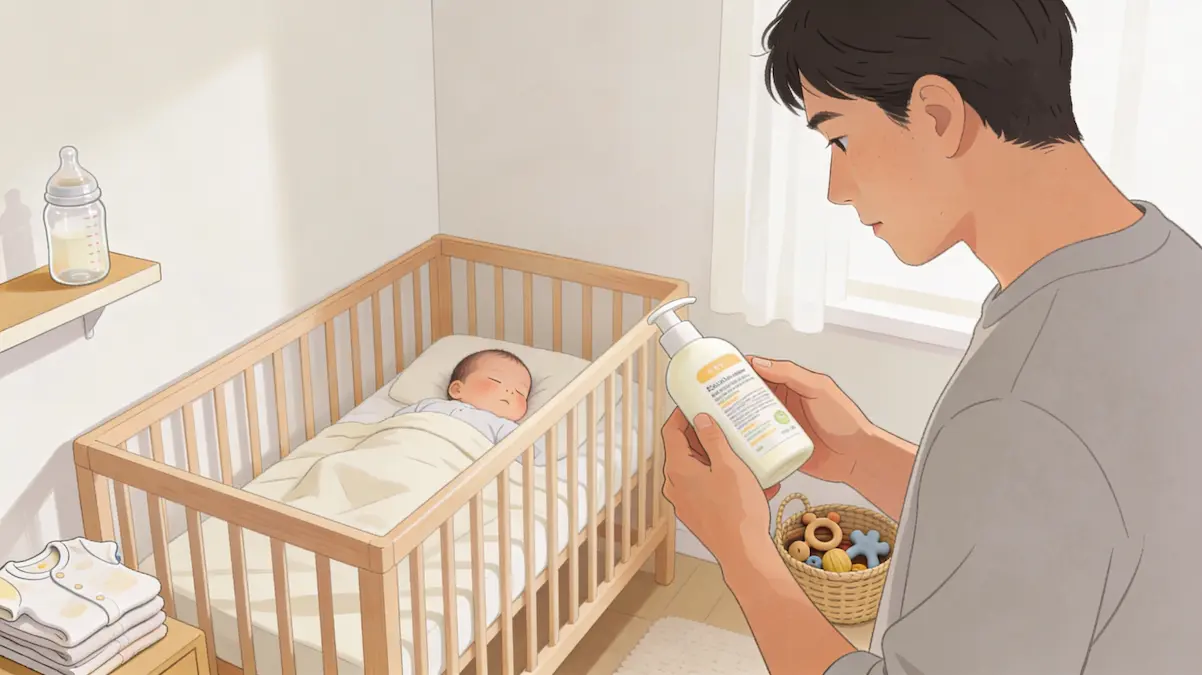
Non-toxic baby marketing is everywhere, but only a handful of choices and chemicals actually move the needle for your baby’s health. This article walks through what truly matters, what’s mostly hype, and how to make practical, low‑stress choices.
What “Non-Toxic Baby Products” Really Are
When you see “non-toxic,” “natural,” or “clean” on baby products, it’s usually marketing language, not a regulated safety standard. That doesn’t make the product bad, but it does mean you have to look deeper than the front of the package.
In real‑world terms, non‑toxic baby products are those that:
- Avoid a small set of high‑concern chemicals (like certain flame retardants, PFAS, phthalates, and harsh preservatives).
- Use simpler, well‑understood materials (glass, stainless steel, food‑grade silicone, organic cotton, solid wood with safer finishes).
- Have clear ingredient lists and, ideally, third‑party certifications or safety testing behind them.
The goal isn’t perfection. The goal is to reduce everyday exposures where they matter most, in ways that still work for your family’s budget and routines.
Read more: 4 hidden dangers to avoid during pregnancy
What Matters Most: High-Impact Baby Products
You don’t need every single item in your home to be “non-toxic.” A few categories have a much bigger influence on what your baby breathes, sleeps on, and puts in their mouth.
1. Crib Mattress and Sleep Space
Your baby spends more time here than anywhere else during the first year. Focusing on a safer sleep environment is one of the most impactful steps you can take.
Helpful choices:
- A mattress made from innerspring or natural latex instead of conventional polyurethane foam when possible.
- Covers and pads made from organic cotton or wool, or at least clearly free of added flame retardants and “mystery” water‑ or stain‑proof coatings.
- Bedding and padding that fit snugly with no loose fabric, to prioritize safe sleep positioning.
Think of this as your “non‑toxic home base”: where baby’s face, nose, and mouth are for long stretches of time.
2. Feeding Gear: Bottles, Cups, Plates
Anything that holds milk, formula, or food—and anything that spends time in baby’s mouth—is worth a closer look.
Better bets:
- Glass bottles with silicone sleeves, or high‑quality food‑grade silicone bottles and nipples.
- Plates, bowls, and cups made from stainless steel, glass, or food‑grade silicone rather than cheap, unknown plastics.
- When you do use plastic, choose well‑labeled, reputable brands that are clear about being free of specific chemicals of concern and avoid heating food or milk in plastic when you can.
If you only upgrade a few things, make it the items you use daily for feeding and that regularly get warmed or washed.
3. Daily Skincare, Diaper Creams, and Wipes
Baby skin is thinner and more permeable than adult skin, and many products sit on all day or are used multiple times per day.
Look for:
- Fragrance‑free formulas (not just “unscented”) to avoid hidden fragrance blends.
- Short ingredient lists you can mostly recognize.
- Products that skip parabens, known formaldehyde‑releasing preservatives, and vague “parfum” or “fragrance” listings.
You don’t need a full shelf of baby‑specific products. One or two truly gentle multipurpose products are usually enough.
4. Clothing and Textiles Close to the Skin
Clothing is a lower‑stakes category than sleep and feeding—but what baby wears and lies on for hours still matters.
Focus on:
- Sleepwear and crib sheets, since these are worn for long stretches.
- Natural fibers like cotton when possible, and especially organic or independently tested textiles if your baby has sensitive skin.
- Avoiding “wrinkle‑free,” “stain‑resistant,” or “water‑repellent” finishes when you can, since these often require extra chemical treatments.
For special‑occasion outfits that are worn for a few hours and then washed, it’s fine to relax your standards a bit.
5. Car Seat (With Safety First)
The car seat is non‑negotiable for safety, and crash performance always comes first. After that, if you can, it’s worth looking at the materials.
Consider:
- Whether the brand offers models without added flame retardants in the fabric.
- Fabric covers that are easy to remove and wash, so you’re not stuck with residues from spills and cleaners.
- Positioning and ventilation in the car so your baby isn’t sitting in a hot, stuffy environment.
If your budget or options are limited, prioritize correct installation and consistent use over chasing “non‑toxic” labels in this category.
Read more: Car seat safety 101, straight from an expert
Where You Can Relax: Lower-Impact Baby Products
Non‑toxic living isn’t all‑or‑nothing. Some products don’t contribute much to everyday exposure, especially when they’re used briefly or intermittently.
Examples where you can usually be less strict:
- Fancy outfits and accessories that your baby wears rarely or for just a few hours.
- Plastic toys that aren’t routinely mouthed or slept with, or that you rotate in and out occasionally.
- Nursery décor (like picture frames, shelves, or rugs) as long as the room is reasonably ventilated and any painting is done with safer, low‑odor paints in advance of baby’s arrival.
- “Baby‑branded” cleaning products that are just regular cleaners in baby packaging; a simple, well‑chosen household cleaner is often enough.
Giving yourself permission to be selective here can make sticking with the more important upgrades feel realistic.
Ingredients and Materials to Watch For
You don’t have to memorize every chemical name to shop smarter. Knowing a short list of red flags makes decisions much simpler.
Common Red Flag Terms
When you scan labels, it’s helpful to pause on:
- Fragrance / parfum: This catch‑all term can hide many individual fragrance chemicals in both baby and adult products.
- Parabens: Often used as preservatives; they usually end in “‑paraben” on the label.
- Formaldehyde‑releasing preservatives: Ingredients that slowly release small amounts of formaldehyde over time; these often have long, compound names.
- Phthalates: Commonly used to soften plastics or help fragrances linger; they’re not always listed directly, but can show up in older soft vinyl toys and fragranced products.
- Certain flame retardants: Historically used in foam furniture and some baby items; many have been phased out, but it’s still worth asking how a product passes flammability standards.
- PFAS (“forever chemicals”): Often used to make fabrics stain‑, water‑, or grease‑resistant, especially in furniture, outerwear, and some baby gear.
If you see a product loudly promising benefits like “stain‑proof,” “water‑repellent,” or extremely easy clean‑up, take a moment to ask what’s behind that performance.
Read more: Top 10 silliest baby products to cross off your list
Red-Flag Chemicals and Claims
Instead of chasing every “green” buzzword, teach yourself a handful of red flags. This makes shopping much faster.
Ingredients and materials to minimize
- Fragrance / parfum
- Parabens (methylparaben, propylparaben, etc.)
- Phthalates (often found in soft plastics and fragrances)
- Formaldehyde releasers (DMDM hydantoin, quaternium‑15, imidazolidinyl urea)
- Flame retardants in foam (PBDEs, TDCPP, etc.)
- PFAS (“forever chemicals”) often used for stain‑ or water‑resistance
Marketing claims that need backup
| Claim | What it really means | Trust level if unsupported |
|---|---|---|
| “Non‑toxic baby product” | No defined standard; can be purely marketing language | Low |
| “Chemical‑free” | Impossible; everything is made of chemicals | Very low |
| “Natural” | Not regulated; “natural” can still irritate or be unsafe | Low |
| “Eco‑friendly” or “green” | Focus may be on environment, not baby’s direct exposure | Low–moderate |
| “BPA‑free” only | Addresses one chemical; others may still be an issue | Moderate |
When you see these phrases, look for specifics: full ingredient lists, exact plastics (e.g., polypropylene, silicone), certifications, and any testing claims.
Buzzwords That Don’t Mean Much on Their Own
Certain phrases sound reassuring but don’t guarantee anything:
- “Non‑toxic”
- “Chemical‑free”
- “Natural” or “all‑natural”
- “Eco‑friendly” or “green”
- “BPA‑free” (useful, but just one small piece of the puzzle)
Instead of taking these at face value, use them as prompts to flip the package over and look at the actual ingredients and materials.
How to Read Baby Product Labels Without Going Nuts
It’s easy to feel overwhelmed when you first start reading labels. A simple, repeatable routine helps you get the information you need without spiraling.
For Personal Care (Lotions, Shampoo, Diaper Cream)
- Start by finding the fragrance line: “fragrance,” “parfum,” or essential oils. If you’re trying to minimize exposures, choose fragrance‑free most of the time.
- Look at the length of the ingredient list. Shorter isn’t automatically safer, but long lists with many unfamiliar chemicals make it harder to evaluate.
- Identify one or two key active ingredients (for example, zinc oxide in diaper cream) so you know what the product is actually doing.
If you run into an ingredient you’re unsure about, it’s okay to look it up later and just put the product back on the shelf for now.
For Clothes, Sheets, and Swaddles
- Find the fiber content label (for example, 100% cotton). Natural fibers are often more breathable and easier for sensitive skin.
- See if the product calls out any independent fabric testing or organic status.
- Be cautious if the marketing leans heavily on “stain‑resistant,” “wrinkle‑free,” or “no iron.” These benefits usually require some kind of chemical treatment, which may or may not be something you’re comfortable with.
The simpler the textile, the easier it typically is to understand what your baby is wearing or sleeping on.
For Plastics and Silicone
- Look for material information: “food‑grade silicone,” or plastic types listed as abbreviations like PP (polypropylene).
- Treat “BPA‑free” as a baseline, not a gold star. Ask yourself if you can choose glass or stainless steel instead, especially for hot liquids.
- Try to avoid heating food or milk in plastic containers. Warm contents in glass or stainless steel when possible, then transfer if needed.
Small shifts here—like using glass bottles or jars for heating and storage—can add up over time.
Building a Practical Non-Toxic Baby “Starter Set”
You don’t need a brand‑new, perfectly curated non‑toxic home to give your baby a healthy start. Think of it as building a small core of better choices over time.
A simple starter set could include:
- A safer crib mattress and a couple of well‑fitting sheets made from natural or certified fabrics.
- Two or three feeding bottles made from glass or high‑quality silicone, plus a few non‑plastic bowls and spoons.
- Fragrance‑free wipes and one gentle, multipurpose lotion or balm you trust.
- A few comfortable pajamas and bodysuits made from soft, breathable fabrics.
- One or two toys designed with safer materials in mind, especially for the age when everything goes straight into the mouth.
From there, you can swap in additional non‑toxic options gradually as you replace worn‑out items or receive gifts.
Quick-Start Checklist: If You Only Change Five Things
If you feel overwhelmed, start here and ignore the rest until you’re ready:
- Choose a crib mattress and sheets you feel good about, focusing on materials and fit.
- Use glass or food‑grade silicone for at least some of your baby’s everyday bottles and food containers.
- Switch to fragrance‑free wipes and simplify baby skincare to one or two gentle products.
- Pick a few soft, breathable outfits and sleepwear that your baby wears most often.
- Open windows regularly, especially after painting, assembling new furniture, or bringing in new large items.
This is enough to meaningfully reduce exposure without turning non‑toxic living into a full‑time job.
FAQ: Non-Toxic Baby Products
Are non-toxic baby products really safer?
They can be, especially when they replace items that your baby uses for many hours a day—like mattresses, sheets, bottles, and wipes—with alternatives that avoid certain chemicals and use simpler materials. The key is what’s actually in the product, not the buzzwords on the front.
Read more: Avoiding potential health hazards while pregnant
Which baby products should I upgrade first if I’m on a budget?
Start with the crib mattress and sheets, a few feeding items (bottles, bowls, spoons), and daily‑use wipes and skincare. These upgrades touch your baby’s skin and mouth the most and give you the biggest impact for each dollar spent.
Do I need everything to be organic?
No. Organic can be a helpful signal, especially for textiles and some foods, but it’s not the only way to reduce exposure. Avoiding unnecessary fragrances, harsh preservatives, and certain coatings often matters more than making every single item organic.
Are “natural” baby products always better?
Not necessarily. Natural ingredients can still cause irritation or allergic reactions, and some “natural” products still rely on processed chemicals behind the scenes. What matters most is whether the product is gentle, fragrance‑free when possible, and transparent about what’s inside.
How can I tell if a brand’s safety claims are trustworthy?
Look for clear, complete ingredient and material lists, straightforward explanations of how the product meets safety standards, and consistency between marketing claims and what’s on the back of the package. Brands that are genuinely focused on safety tend to overshare details rather than hide them.


