
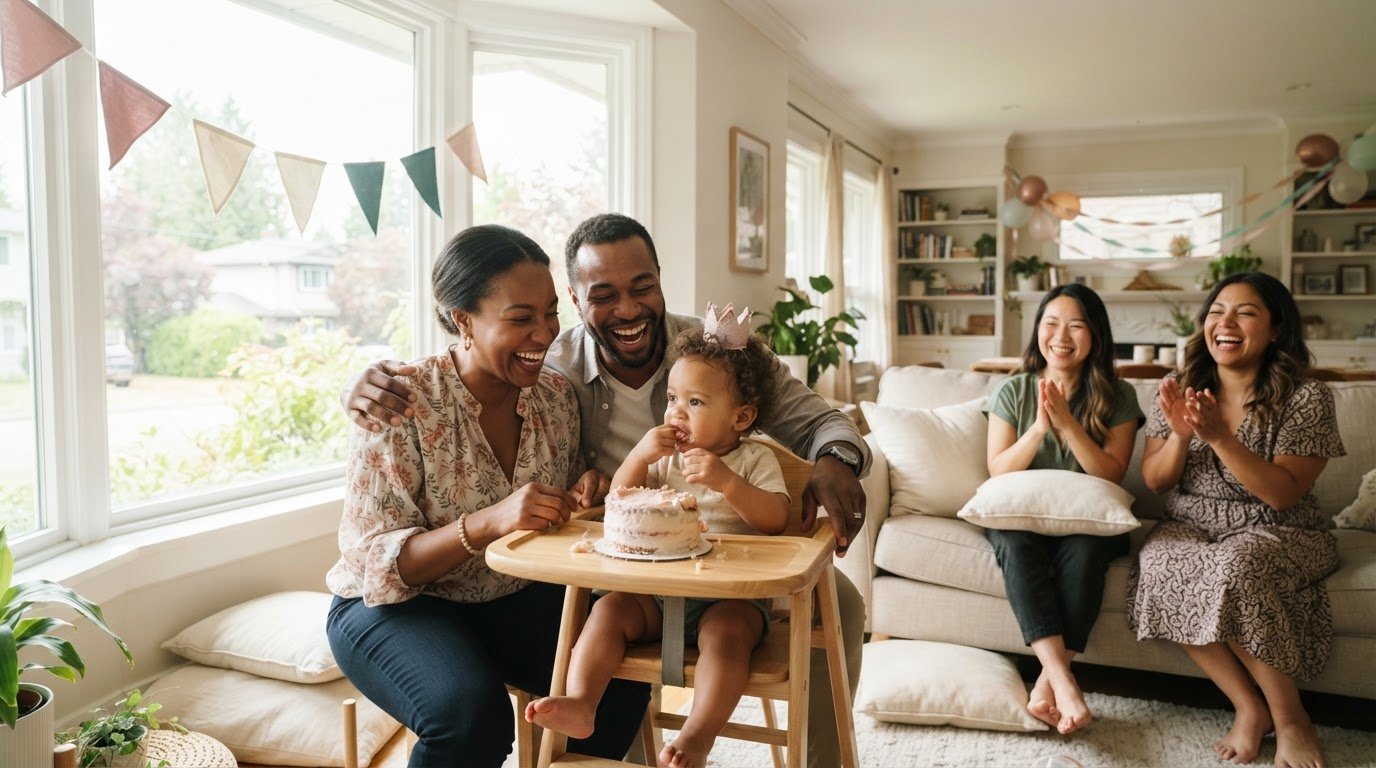
Reaching your baby’s first birthday feels like crossing the finish line of a marathon while carrying a tiny, giggling passenger. You survived the sleep regressions, celebrated the first tooth, deciphered dozens of different cries, and watched a fragile newborn blossom into an inquisitive toddler. It is entirely natural to want to mark this milestone with celebration, love, and plenty of photos.
Yet, somewhere between scrolling social media feeds filled with balloon arches and browsing dessert tables that rival wedding receptions, planning a first birthday party can suddenly feel overwhelming. Many parents find themselves caught between wanting to create magical memories and fearing an overtired, tearful baby melting down before the candles are even lit.
The secret to an enjoyable, heartfelt celebration is simple: prioritize your one-year-old’s developmental needs, energy limits, and daily rhythm over external expectations. When you build the day around your baby’s comfort, everything else falls naturally into place.
Quick Summary: Planning a joyful first birthday party comes down to honoring your baby’s nap schedule, keeping gatherings to 90–120 minutes, serving safe and allergy-conscious finger foods, and creating gentle play areas that invite sensory exploration without triggering sensory overload.
The Baby-First Philosophy: Setting Your Timeline and Guest List
Prioritizing your baby’s sleep routine and emotional bandwidth ensures a calm, happy celebration for everyone involved.
At twelve months old, most babies thrive on predictable rhythms. They cannot yet process big crowds, sudden loud bursts of singing, or skipped naps without experiencing genuine sensory overload. Approaching party planning with a “baby-first” lens removes the pressure to perform and grounds the day in comfort.
When you protect your little one’s natural schedule, you set up the entire family for success. A well-rested baby is far more curious, engaged, and receptive to smiles from visiting relatives than a toddler pushed past their wake window.
Consider these core principles when building your event framework:
- Keep the celebration brief: Limit the party to between 90 minutes and two hours. Research on early childhood development shows that one-year-olds often experience fatigue after 90 minutes of high-stimulation social activity.
- Schedule between naps: Host during your child’s peak awake window, which is usually late morning immediately following their first morning rest.
- Anchor to your child’s temperament: If your baby is naturally cautious around new faces, plan an intimate living room gathering rather than a bustling venue.
- Plan an exit strategy: Decide in advance where your baby can quietly unwind if tears start flowing or when the party reaches its designated end time.
Choosing the Right Time and Venue
The ideal time for a first birthday party is typically between 10:00 AM and 12:00 PM, or early afternoon from 2:00 PM to 4:00 PM. These windows align cleanly with standard one-year-old nap schedules, falling right after a restorative rest and before afternoon fussiness begins.
Hosting at home is frequently the most comfortable choice for a one-year-old. Your home offers familiar smells, beloved toys, a private nursing corner, and a dedicated crib just down the hallway if an emergency nap becomes essential.
If you prefer an outdoor venue or your home feels too tight for visiting grandparents and aunts, consider these venue guidelines:
- Living rooms and backyards: These familiar environments reduce separation anxiety and let your baby crawl freely on surfaces they already know. Make sure to complete a quick sweep using a room-by-room baby proofing checklist before guests arrive with gifts or open bags.
- Neighborhood community rooms: A rented club room provides open floor space, simple clean-up, and climate control while keeping setup close to home.
- Local shaded parks: Outdoor pavilions are budget-friendly and pleasant in mild weather. However, always scout for clean restrooms with changing tables, level grass for wobbly walkers, and ample shade to protect delicate skin from sun exposure.
Crafting Your Guest List
Trimming a guest list can bring up feelings of guilt, especially when distant relatives or extended friend groups express interest in celebrating. Remind yourself that a first birthday is primarily a milestone of love and survival for your immediate village.
Large crowds naturally produce high ambient volume, rapid movements, and competing voices. For a newly minted toddler whose sensory processing systems are still maturing, thirty well-meaning adults reaching out for hugs can trigger an intense freeze or fight-or-flight response.
Here are practical guidelines for keeping the circle peaceful:
- Focus on regular caregivers: Invite the grandparents, siblings, cousins, and close friends who have actively shared your baby’s daily life during this first year.
- Limit baby peers: Inviting three to five baby or toddler friends is plenty. One-year-olds engage in parallel play rather than interactive group play, meaning fewer small guests lead to fewer toy disputes and quieter rooms.
- Stagger arrival times: If you must host a larger extended family, consider inviting grandparents early for quiet photos and cake, followed by casual friends for drop-in visits later.
Choosing a Theme That Celebrates Your Little One
Simple, sweet themes bring warmth and joy to your decor without requiring endless hours of late-night crafting.
Themes for a first birthday are wonderful tools for creating cohesive photos and guiding your color palette, but they should never cost you sleep or mental peace. Your baby will not remember whether you hand-cut bespoke cardstock garlands or purchased matching paper plates from a local shop.
The sweetest themes reflect the little quirks, stories, and routines that brought your family happiness during this transformative first year. Whether your baby lights up at dogs barking at the park or giggles during morning songs, let those genuine smiles lead your design choices.
Meaningful and Modern Theme Ideas
If you enjoy themed celebrations, picking a concept with simple color palettes makes sourcing supplies straightforward and fun. Timeless ideas work best because they rely on soft textures, natural greenery, and classic tones rather than licensed commercial characters.
Some delightful concepts for a one-year celebration include:
- “First Trip Around the Sun”: Warm terracotta tones, muted golden yellows, sunburst motifs, and citrus-infused water for grown-ups. It honors the beauty of living through a full cycle of seasons together.
- “Our Wild One”: Soft botanical greens, wood accents, woodland creature cutouts, and simple potted ferns that bring the outdoors inside.
- “One-derland”: Soft pastels, delicate star cutouts, and fairy lights draped across a mantle. This works beautifully for winter babies or whimsical indoor gatherings.
- Storybook Magic: Built around your baby’s favorite bedtime book, such as classic farm animal tales, Peter Rabbit, or Winnie the Pooh, using vintage book illustrations as centerpieces.
- Heritage or City Namesake: Parents who found inspiration in geographic monikers, like those in our guide on top city-inspired baby names for modern parents, often build subtle themes around maps, vintage skylines, or local landmarks.
Simple Decorating on a Budget
Social media feeds frequently showcase elaborate floral walls and multi-tiered balloon installations that cost hundreds of dollars. You can create a visually stunning, warm atmosphere with just a few intentional focal points.
Focusing your decor in one or two high-visibility areas produces gorgeous photos while preserving your energy and wallet. The two spots that appear in nearly every milestone photograph are the high chair area and the dessert table.
To decorate thoughtfully on a sensible budget:
- Hang a monthly milestone banner: Print twelve photos showing your baby at each month of life. String them across a fireplace mantle or along a blank hallway wall with small wooden clothespins. Guests treasure seeing how tiny your baby was in month one compared to now.
- Create a simple high chair accent: Attach a lightweight fabric ribbon banner or a small cardstock “ONE” bunting across the high chair tray. It frames your baby’s cake smash pictures beautifully without cluttering the floor.
- Repurpose nursery decor: Bring cozy knit throw blankets, framed nursery prints, and beloved stuffed animals into the main party space to add personal warmth without buying single-use plastic knickknacks.
- Choose reusable tableware: Neutral cloth runners, wooden serving boards, and biodegradable bamboo plates elevate the gathering while eliminating trash bags filled with flimsy plastic.
The Menu: Smash Cakes, Snacks, and Safety
Providing baby-safe finger foods alongside tasty adult bites ensures everyone eats happily while keeping safety front and center.
Feeding a room filled with adults, toddlers, and a newly turned one-year-old requires a balanced menu. While adult guests appreciate flavorful snacks, your priority during food preparation must always center on infant choking prevention and allergen transparency.
At twelve months, many toddlers are actively exploring self-feeding through table foods. However, their chewing skills are still developing, meaning raw, hard, round, or sticky foods require careful modification before being placed on low party tables.
Planning the Perfect Smash Cake
A smash cake is traditionally a miniature, individual cake placed directly in front of the birthday baby, designed for sensory exploration, squishing, and messy bites. Some babies dig in with both hands and wide grins, while others look bewildered by the unfamiliar sticky frosting.
A smash cake should be approached as a fun sensory activity rather than a dessert requirement. If your little one has not consumed much refined sugar yet, a sudden sugar rush can lead to tummy distress or a sudden burst of frantic energy followed by a crash.
Tips for a safe, joyful smash cake experience:
- Try a low-sugar recipe: Bake a small round smash cake naturally sweetened with ripe bananas, unsweetened applesauce, or pureed pumpkin.
- Frost with Greek yogurt: Blend whole-milk plain Greek yogurt with a spoonful of berry puree or mango butter for a smooth, spreadable frosting that wipes clean and tastes familiar.
- Do a dry run at home: Three or four days before the party, offer your baby a small dollop of whipped cream or yogurt on their high chair tray. Observing their reaction helps you understand whether they enjoy getting messy or prefer clean hands.
- Check the ingredient list: The American Academy of Pediatrics warns against giving honey to children under 12 months due to the risk of infant botulism. Even though your baby is turning one, avoiding honey until after their pediatric wellness check remains a gentle, cautious precaution many parents choose.
Safe Finger Foods for Little Guests
Finger foods allow babies and toddlers to eat at their own pace without constant adult spoon intervention. When hosting other young toddlers, serve items that dissolve easily or are soft enough to be squished between your thumb and forefinger.
If you have questions about introducing varied textures, reviewing principles from our guide to baby-led weaning first foods provides helpful reminders on safe shapes and sizes.
Review this quick guide to toddler party food prep:
- Steamed sweet potato sticks: Roast or steam until completely fork-tender so babies can gum them without risk.
- Quartered berries: Cut blueberries in half or quarters, and slice strawberries into thin vertical strips. Avoid serving whole round blueberries or cherries.
- Avocado or banana spears: Roll slices in finely crushed toasted oats or flaxseed meal to give tiny, slippery fingers a secure grip.
- Allergen labels: If you are serving baked goods with peanut butter, almond flour, cow’s milk, or eggs, place a small label beside the dish so parents of children with allergies can navigate the table safely.
- Strict choking hazard watch: The American Academy of Pediatrics highlights choking hazards like whole grapes, uncut cherry tomatoes, whole nuts, raw carrots, hard candies, popcorn, and spoonfuls of thick nut butter. Keep these items off party tables where toddlers can wander and grab them.
For your adult guests, keep food simple and room-temperature friendly. Gourmet slider sandwiches, a fresh grain salad, a bright fruit platter, and sparkling water allow older guests to eat comfortably while standing or chatting without requiring formal seated service.

Keeping the Peace: Activities and Scheduling
Gentle, open-ended play spaces allow toddlers to explore at their own pace without the noise or pressure of structured games.
One-year-olds do not understand party games like musical chairs or pin-the-tail-on-the-donkey. Attempting to organize babies into structured activities almost always leads to frustration for both parents and children.
Instead, prioritize calm, exploratory stations that let toddlers interact with tactile items on their own terms. When toddlers have the freedom to move, crawl, and inspect, parents can relax and enjoy genuine conversation.
Sensory-Friendly Play Stations
Setting up dedicated sensory play areas keeps small children safely occupied in a clean, contained zone away from swinging doors or hot food tables. Cleanliness is key when multiple toddlers are exploring toys that may end up in their mouths; practicing simple routines on how to clean baby toys safely ensures your play space stays hygienic.
Here are three simple, low-stress activity setups that toddlers adore:
- The Soft Play Zone: Lay down thick, interlocking foam mats or a large washable quilt. Add oversized soft foam blocks, sensory board books, and a collapsible fabric tunnel. Crawlers and new walkers can move safely without tripping over hard corners.
- The Gentle Bubble Station: Set a battery-operated bubble machine on a high, stable shelf or patio railing. The steady stream of floating bubbles captivates toddlers, encouraging standing, pointing, and clapping without loud mechanical noises.
- Musical Shaker Basket: Place wooden maracas, egg shakers, and lightweight chiffon scarves in a low woven basket. Toddlers love holding shakers, dancing to gentle background music, and playing peek-a-boo with colorful scarves.
Managing the “Big Moment” Meltdowns
Even with careful planning, big emotional waves can happen. Between new faces, clapping, cameras clicking, and changes in their environment, a one-year-old may experience moments of distress. Having a flexible attitude is your greatest asset.
If your baby starts crying during the celebration, take a breath. It is not a reflection of your parenting or a sign that the party is ruined; it simply means your baby is communicating that they need a pause.
Helpful ways to protect your little one’s emotional well-being include:
- Designate a quiet sanctuary: Keep a master bedroom or nursery quiet, dim, and visitor-free. If your child becomes overstimulated, step into this calm space for five to ten minutes of quiet rocking or cuddling away from the crowd.
- Soften the singing: When it is time to sing “Happy Birthday,” ask guests to sing in a warm, gentle voice rather than shouting. A chorus of twenty adults booming at full volume can startle even the most confident baby.
- Hold off on gift opening: Opening wrapped presents in front of an audience often proves difficult for toddlers. They may want to play with the very first ribbon or box for forty minutes, and taking items away to open the next package invites tears. Consider opening gifts the following day at home so your baby can explore each present calmly.
- Protect physical autonomy: If your baby clings to your leg or buries their face in your neck when a relative approaches, honor that instinct. Encourage relatives to get down on floor level with a toy rather than immediately scooping the baby up into their arms.
Stress-Free Logistics: Gear and Essentials
Having practical supplies ready and asking for specific help allows you to step away from hosting duties and savor the memories.
Hosting any milestone event involves many moving parts. When you prepare a few practical gear items in advance, you avoid running around searching for paper towels or fresh clothes while guests are visiting.
Your goal on party day is not to act as a full-time caterer or event coordinator; your role is to be present alongside your baby, absorbing every milestone smile, curious glance, and frosting-covered knuckle.
Must-Have Gear for the Big Day
A few functional baby products make managing messes and floor safety substantially easier during an at-home or park celebration.
Consider preparing the following essentials:
- Wipeable high chair: A high chair with a wide, seamless plastic tray and removable straps simplifies cake smash clean-up. Avoid cloth-padded chairs for the smash cake, as buttery frosting can easily stain fabric seams.
- Splatter mat or craft paper: Place a wipeable silicone splat mat, a disposable plastic tablecloth, or a sheet of brown kraft paper directly under the high chair before serving cake. When the smash is done, simply fold the paper inward and discard the mess in seconds.
- Pre-packed cleanup caddy: Keep a small basket nearby stocked with sensitive skin wipes, a damp warm washcloth in a zip-top bag, an extra change of clothes for your baby, and a clean shirt for yourself. Frosting hugs happen frequently!
- Accessible trash and recycling: Set up clearly marked trash and recycling bins in obvious spots so guests can clear their own plates without interrupting you to ask where garbage goes.
Capturing the Memories Safely
Every parent wants beautiful photographs to look back on years down the road. However, spending the entire party peering through a smartphone screen prevents you from feeling emotionally connected to the day’s events.
Set a photography strategy beforehand so your memories are captured without sacrificing your presence:
- Take milestone portraits beforehand: Dress your baby in their birthday outfit about an hour before guests arrive, right after their morning nap. Take your posed family portraits and high chair pictures in soft window light while everyone is rested, clean, and calm.
- Appoint a designated photographer: Ask an organized friend, teenage cousin, or family member to handle taking photos during the party. Give them your phone or a camera with simple instructions to focus on candid moments rather than posed group shots.
- Avoid harsh flashes: Sudden bright bursts from flash photography can frighten small children or cause them to shut their eyes. Stick to natural daytime light near windows or outdoor shade.
- Put your phone down: Once the key cake and greeting moments have passed, place your phone on a charging dock and let yourself sit on the rug with your child. The warmth of your real presence is the greatest gift you can offer your baby on this first milestone.
Frequently Asked Questions
How long should a first birthday party last?
A first birthday party should ideally last between 90 minutes and two hours. Twelve-month-old babies have limited wake windows and can easily become overstimulated by the sensory input of visitors, singing, and active play. Keeping the timeline tight ensures your little one finishes the event in good spirits before exhaustion sets in.
What is a good time of day for a 1st birthday party?
The sweet spot for a first birthday gathering is typically late morning, around 10:00 AM to 11:30 AM, or early afternoon from 2:00 PM to 3:30 PM. Hosting directly after your baby wakes up from their morning nap ensures they are well-fed, energetic, and most receptive to family interactions.
How much should I spend on a first birthday party?
There is no required budget for a meaningful first birthday party. Many families host heartfelt, memorable celebrations for under $100 by hosting at home, using simple balloon touches, baking a homemade banana smash cake, and serving light finger foods. Spending more does not translate to greater happiness for a one-year-old, who primarily responds to warmth, love, and a relaxed atmosphere.
What food is safe for a one-year-old at a party?
Safe foods include soft, easily squished items such as ripe banana slices, steamed sweet potato fries, quartered blueberries, shredded mild cheese, and soft avocado cubes. Always avoid round or hard choking hazards such as whole grapes, popcorn, hot dog rounds, whole nuts, or hard pretzels, and keep common allergen ingredients clearly labeled for visiting parents.
How do I prevent my baby from getting overwhelmed?
To prevent overstimulation, keep the guest list small, avoid blaring music, and ask adults not to rush into your baby’s physical space all at once. Set aside a quiet, private room where you can step away for five minutes of gentle holding or rocking if your child shows signs of fussiness, eye rubbing, or clinging.
Is a smash cake necessary for a first birthday?
No, a smash cake is completely optional. While it has become a popular tradition for photos, many babies do not like the sticky texture of frosting or the taste of unfamiliar sweets. You can easily substitute a small fruit bowl, a stack of soft pancakes, a yogurt parfait, or skip individual treats altogether in favor of a family dessert.
What are some simple first birthday themes for 2026?
Popular, simple themes include nature-inspired motifs like “First Trip Around the Sun,” woodland-inspired “Wild One,” gentle botanical themes, or gatherings styled around classic children’s board books like Guess How Much I Love You. Minimalist themes using warm earth tones, fresh greenery, and a monthly photo banner look elevated without requiring complex DIY crafting.
Should I open gifts during the party or after?
Most early childhood experts and experienced parents recommend opening gifts after guests have departed. One-year-olds do not grasp the concept of unwrapping multiple items in succession; they often want to explore the wrapping paper or play with the first toy they see. Opening presents privately the next day prevents toddler tantrums and keeps your party schedule smooth and calm.
Disclaimer
Pregnancy Magazine content is based on the latest research and information available, but is not meant to be medical advice or instruction. See a medical professional for direction for your specific situation or case.
We strive to be objective in our buyer's guide reviews and usually compare a variety of products in a category. Pregnancy Magazine is supported by sales from referring links.


