
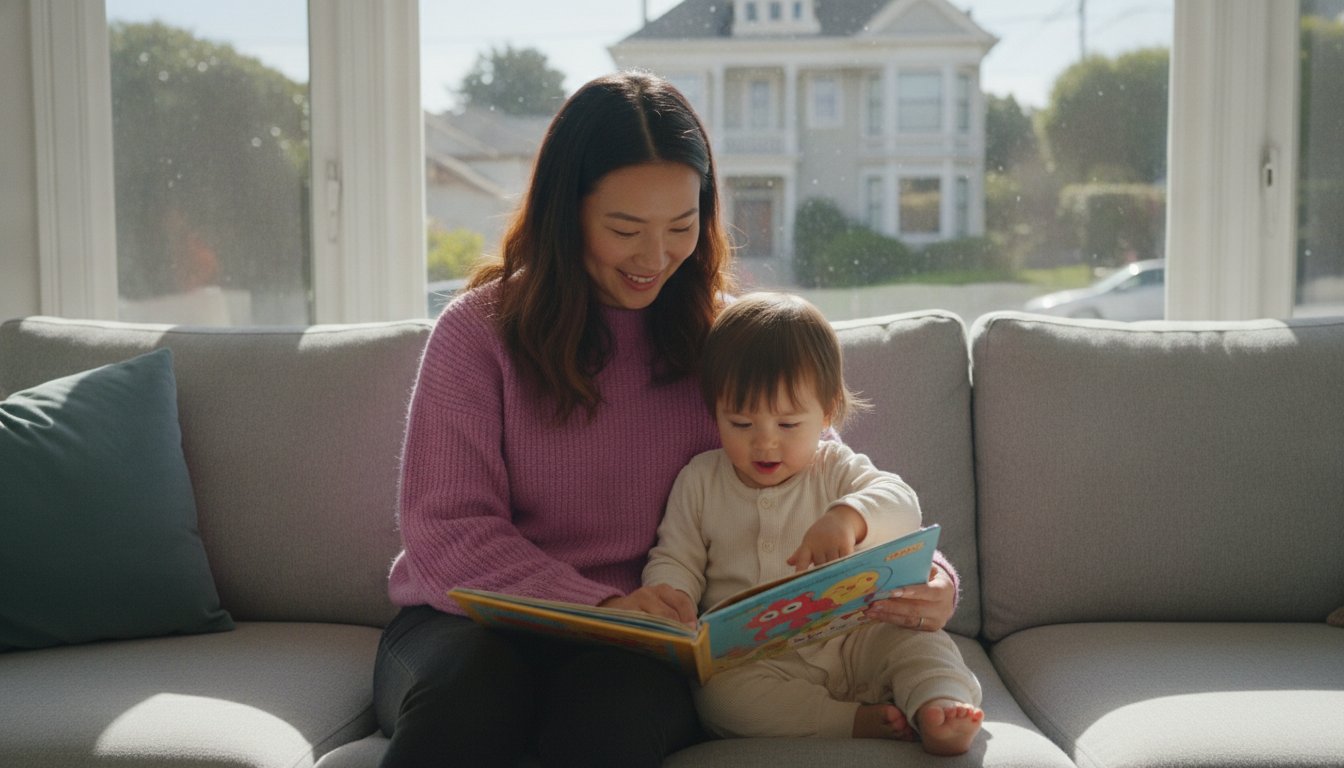
Trying to read to a toddler can sometimes feel like trying to give a bath to a very adorable, very determined cat. They wiggle, they wander, and their attention span can seem shorter than the time it takes to turn a single page. If you’re feeling a little guilty that you aren’t reading “enough” or wondering which books will actually hold their interest for more than five seconds, you are not alone. This is a challenge every parent faces.
But here’s the reassuring truth: you don’t need hours of quiet, focused storytime to make a difference. The right book, even for a few minutes a day, can be a powerful tool for connection and learning. We’ve gathered the best books that are not only engaging and developmentally appropriate but are also sturdy enough to survive the most enthusiastic little hands. This list is about finding the “winners” that will turn wiggles into wonder and foster a lifelong love of reading.
Building Your Toddler’s First Library: Why It Matters in 2026
Creating a small, curated library for your toddler is one of the most impactful things you can do to support their early development.
- Reading to toddlers may help bridge the “word gap” before they enter preschool, exposing them to a richer vocabulary than they might hear in everyday conversation.
- Early literacy is linked to better emotional regulation and longer attention spans. Cuddling up with a book provides a structured, calming activity that teaches focus.
- Some research suggests that even five minutes of daily reading can significantly impact brain development, forging new neural pathways related to language and imagination.
- The 2026 trend in parenting emphasizes “quality over quantity” in home libraries, focusing on books that invite interaction and spark curiosity rather than just filling a shelf.
The Science of Storytime for 1–3 Year Olds
There’s a reason your pediatrician likely asks about reading at every check-up. The American Academy of Pediatrics (AAP) views early reading as a health essential, recommending that parents read to their children from birth. This isn’t just about learning letters; it’s about building a strong foundation for all future learning.
Hearing rhythmic, rhyming language helps a toddler’s brain tune into the sounds of their native tongue, which may support future speech clarity. And while technology has its place, many experts believe physical books are superior for toddler brain engagement. The act of turning a page, pointing to a picture, and sharing a physical object with a caregiver creates a multi-sensory experience that a screen just can’t replicate.
What Makes a ‘Winner’ for This Age Group?
When you’re searching for the best books to read to toddlers, a few key features make a world of difference. First, look for high-contrast illustrations and sturdy board book construction that can withstand being chewed, dropped, and loved a little too hard. The pages should be thick enough for clumsy little fingers to practice turning them on their own.
Next, prioritize books with simple, predictable text. Repetitive phrases or rhyming patterns allow toddlers to anticipate what’s coming next and even “finish” the sentences for you, which is a huge confidence booster. Finally, choose stories that reflect the daily realities of a toddler’s world—books about bedtime, animals, feelings, or family help them make sense of their own experiences.
The Best Interactive Books for Active Toddlers
For the little one who can’t sit still, interactive books transform reading from a passive activity into a hands-on “job.”
- Interactive books give busy little fingers a purpose, whether it’s lifting a flap, pressing a button, or tracing a texture.
- Lift-the-flap books are fantastic for encouraging “object permanence”—the understanding that things still exist even when you can’t see them.
- Touch-and-feel textures provide essential sensory input, helping to build vocabulary as you name sensations like “soft,” “bumpy,” or “scratchy.”
- Sound books can help toddlers associate visual cues (like a picture of a cow) with auditory feedback (a “moo!”), strengthening cognitive connections.
Top Sensory and Touch-and-Feel Picks
Sensory books are a brilliant way to engage a toddler’s sense of touch and build their descriptive vocabulary. When a child can physically feel the “fluffy” chick or the “sticky” jam, the words become more concrete and memorable. For 2026, publishers are focusing on even more durable designs, so look for board books with sturdy flaps that won’t tear on the first read. This kind of sensory play isn’t just for fun; it can also be a wonderful tool for calming a frustrated or overstimulated toddler, redirecting their energy into a focused, tactile experience.
Interactive ‘Action’ Books
Some of the most innovative toddler books ask the child to become part of the story. These titles might instruct them to “press the yellow dot,” “shake the tree,” or “tilt the book” to see what happens next. This type of reading is perfect for kids who seem to have endless energy.
These books are more than just a gimmick; they cleverly help develop both gross and fine motor skills. Clapping, jumping, or carefully using a finger to trace a line all contribute to a child’s physical development. In fact, many parents find these are the best choice for a child who “can’t sit still,” as the book gives them permission and a reason to move. This can be especially helpful during developmental leaps, like when your little one is mastering the skills on the baby crawling timeline and is eager to practice moving their body.
Rhythmic and Rhyming Books for Language Growth
The sing-song quality of rhyming books is one of the most powerful tools for boosting a toddler’s language skills.
- Rhymes help toddlers predict what comes next, which builds confidence in their understanding of language patterns.
- Rhythmic text acts like a song, making it easier for children to memorize words and phrases.
- Repetitive phrases allow toddlers to “read along” with you, even long before they can recognize letters.
- Classical poetry and nursery rhymes are making a comeback in 2026 educational circles for their proven ability to build phonological awareness.
Why Rhyme is a Language Superpower
There’s a strong link between a child’s familiarity with nursery rhymes and their later reading success in elementary school. That’s because rhyme and rhythm train the ear to hear the smaller sounds within words—a skill known as phonological awareness. This is a critical building block for learning to read and sound out words later on.
You can emphasize “rhyme time” during your daily routine by using an exaggerated, playful tone of voice to highlight the rhyming words. Let your voice go up and down, slow down for emphasis, and pause before a rhyming word to give your toddler a chance to fill in the blank. This turns storytime into a fun and engaging language game.
Our 15 Best Books for Toddlers: Classic & Modern Picks
To help you build that perfect first library, we’ve curated a list of 15 essential books. These titles are beloved by parents, educators, and—most importantly—toddlers themselves. We’ve divided them into timeless classics that have delighted generations and modern favorites that have quickly earned their place on the nursery shelf.
Timeless Classics for Every Nursery Shelf
- Goodnight Moon by Margaret Wise Brown: The ultimate bedtime book, its gentle, repetitive text and soothing illustrations create a perfect ritual for winding down at the end of the day.
- The Very Hungry Caterpillar by Eric Carle: This iconic book teaches days of the week, counting, and the life cycle of a butterfly with its vibrant collage art and fun, hole-punched pages.
- Brown Bear, Brown Bear, What Do You See? by Bill Martin Jr. and Eric Carle: The rhythmic, question-and-answer format makes this book incredibly predictable and fun for toddlers, who will quickly learn to “read” it along with you.
- Pat the Bunny by Dorothy Kunhardt: As one of the original touch-and-feel books, its simple, interactive elements—like patting the bunny and playing peek-a-boo—are perfect for the youngest readers.
- Where the Wild Things Are by Maurice Sendak: A beautiful story about navigating big feelings, this book reassures children that they will always be loved, even when they feel “wild.”
- Chicka Chicka Boom Boom by Bill Martin Jr. and John Archambault: The lively, percussive rhyme makes learning the alphabet an unforgettable adventure. Toddlers love the “boom boom” crash at the end.
- Guess How Much I Love You by Sam McBratney: This sweet, tender story provides the language for expressing love, making it a heartwarming read for both parent and child.
- Dear Zoo by Rod Campbell: A lift-the-flap classic where children can discover different animals sent by the zoo. It’s fantastic for building animal vocabulary and practicing fine motor skills.
Modern Favorites for Today’s Toddler
- Press Here by Hervé Tullet: A brilliantly simple and interactive book that uses just dots of color to create a magical experience. It requires no batteries, only a child’s imagination and participation.
- Don’t Let the Pigeon Drive the Bus! by Mo Willems: This hilarious book breaks the fourth wall, asking the reader directly to stop the mischievous pigeon. It’s a fantastic way to teach persuasion and responsibility in a funny, engaging way.
- Grumpy Monkey by Suzanne Lang: A wonderful story for the “big emotions” category. It teaches toddlers that it’s okay to feel grumpy sometimes and that they don’t have to force a smile.
- Little Blue Truck by Alice Schertle: With its friendly “beep, beep, beep” and message of friendship and helping others, this rhyming book is a modern classic with a wholesome heart.
- Llama Llama Red Pajama by Anna Dewdney: Capturing the bedtime drama familiar to so many families, this book helps toddlers understand and cope with separation anxiety at night.
- Where’s Spot? by Eric Hill: Another lift-the-flap favorite, this simple search-and-find story is perfect for developing object permanence and keeping little hands busy.
- I Am Enough by Grace Byers: This beautifully illustrated book delivers a powerful and lyrical message of self-love, kindness, and respecting others. It’s never too early to start building self-esteem.

Storybooks for Big Emotions and Daily Milestones
Books are a safe and gentle way to introduce complex ideas and help your toddler navigate the ups and downs of their world.
- Toddlers often lack the words for their “big feelings” like frustration, jealousy, or sadness. Books can provide the vocabulary they need to start expressing themselves.
- Reading about common milestones, like potty training or the arrival of a new sibling, can reduce anxiety by showing them what to expect.
- Stories about “gentle hands” or “sharing” help model positive social-emotional behavior in a way that feels like a story, not a lecture.
- Some parents find that “bibliotherapy”—using books to address specific challenges—can be a helpful tool for managing bedtime resistance or frequent tantrums.
Books for Navigating Transitions
Transitions can be tough for toddlers, who thrive on routine and predictability. Whether it’s starting daycare, moving to a “big kid bed,” or welcoming a new baby, there’s a book that can help. These stories act as a mirror, reflecting a toddler’s own struggles and worries back to them in a safe context. When a child sees a character in a book feeling nervous about their first day of preschool, it helps them feel understood and less alone in their own experience. Reading these stories beforehand can serve as a gentle “dress rehearsal” for the real event.
Naming the Feelings: Books for Emotional Intelligence
One of the most important jobs of the toddler years is learning to identify and manage emotions. Books are an incredible asset in this process. You can use the illustrations to help your child identify “mad,” “sad,” and “glad” faces on the characters. Pause during the story to ask simple questions like, “How do you think the bunny feels right now?” This helps build empathy and emotional literacy.
Most importantly, these stories give you a natural opportunity to validate your toddler’s feelings. Saying, “It looks like he’s feeling really frustrated, just like you feel when your blocks fall down,” connects the story to their own life and reinforces the message that all their emotions are okay.
Expert Strategies for Reading to a High-Energy Toddler
If your toddler is more of a doer than a sitter, these practical strategies can help make storytime a positive experience for everyone.
- You don’t have to read every single word on the page. If your child is fascinated by one picture, linger there and talk about it. A “successful” session is about connection, not completion.
- Create a “yes space” for reading, like a cozy corner with pillows where your toddler feels comfortable moving around while you read.
- Use “dialogic reading”—turn the book into a conversation rather than a lecture. Ask “what” and “where” questions, and relate the pictures to your child’s life.
- Consistency may help more than duration. Five focused minutes of reading every day is often more beneficial than one stressful 30-minute session once a week.
The ‘Five-Minute Rule’ for Busy Mornings
Don’t feel pressured to set aside a huge chunk of time for reading. You can sneak it in during small pockets of your day, like while your toddler is having a snack or while you’re waiting for an appointment. Another effective strategy is “strewing”—leaving a few sturdy board books in accessible places around the house, like in a basket in the living room or on a low shelf. This encourages them to explore books independently and see them as a part of their play.
It’s also crucial to set realistic expectations. The average attention span for a 2-year-old is only about four to six minutes. If you get that, count it as a huge win! For some toddlers, a consistent bedtime story is the best way to ensure it happens, and it can be a calming part of their routine, especially if you’re navigating challenges like the 6 month sleep regression or other sleep disruptions.
Making the Story Come Alive
And what if your toddler wants to read the same book ten times in a row? This is completely normal and actually a great sign! Repetition is how toddlers learn. Each time they hear a story, they are solidifying vocabulary, memorizing patterns, and deepening their comprehension. So take a deep breath, and get ready to read about that very hungry caterpillar one more time.
Frequently Asked Questions
We asked our community of moms for their most pressing questions about reading to toddlers. Here are the answers you’ve been looking for.
How many books should I read to my toddler every day?
There’s no magic number. The goal is to make reading a positive, daily habit. Aim for 5-15 minutes of reading a day, which might be one long book or three very short ones. Focus on the quality of the interaction rather than the quantity of books.
What should I do if my toddler keeps tearing the pages of their books?
This is a common and frustrating phase. First, stick to sturdy board books. You can gently say, “Books are for reading, not for tearing,” and model how to turn pages carefully. If it persists, you might put the more delicate books away for a few months and reintroduce them later.
Are digital books or apps as good as physical books for toddlers?
While some educational apps can be beneficial, the American Academy of Pediatrics recommends co-engagement with media. For toddlers, most research suggests that physical books are better for promoting parent-child interaction and minimizing distractions like animations and ads that can detract from the story.
When is the best time of day to read to a toddler?
The best time is whenever it works for your family’s schedule. Many parents find that reading before naps or bedtime is a wonderful way to help a child wind down. Others read after breakfast to start the day. Consistency is more important than the specific time.
My toddler only wants to read one book over and over. Is that okay?
Yes, it’s more than okay—it’s fantastic for their development! Repetition helps toddlers master new vocabulary and understand story structure. They delight in knowing what’s coming next. While it might be tedious for you, it’s a sign that their brain is hard at work learning.
Can reading to my toddler help them start talking sooner?
Reading regularly exposes your toddler to a wide range of words, sentence structures, and sounds, which may help support language development. Hearing you read helps them learn the rhythm and cadence of speech. While every child develops at their own pace, a language-rich environment is always beneficial.
What are the signs that a book is too advanced for my toddler?
If a book has a complex plot, long paragraphs of text on each page, or very few pictures, it’s likely too advanced. A toddler will show you they’re not engaged by wandering off, trying to close the book, or becoming fussy. For this age group, simple is almost always better.
How do I choose books for a toddler with a very short attention span?
Prioritize interactive books! Lift-the-flap, touch-and-feel, and sound books are your best friends. Keep the books short and the text minimal. Look for titles with large, clear, and engaging illustrations that you can talk about, even if you don’t read the words.
Disclaimer
Pregnancy Magazine content is based on the latest research and information available, but is not meant to be medical advice or instruction. See a medical professional for direction for your specific situation or case.
We strive to be objective in our buyer's guide reviews and usually compare a variety of products in a category. Pregnancy Magazine is supported by sales from referring links.


