
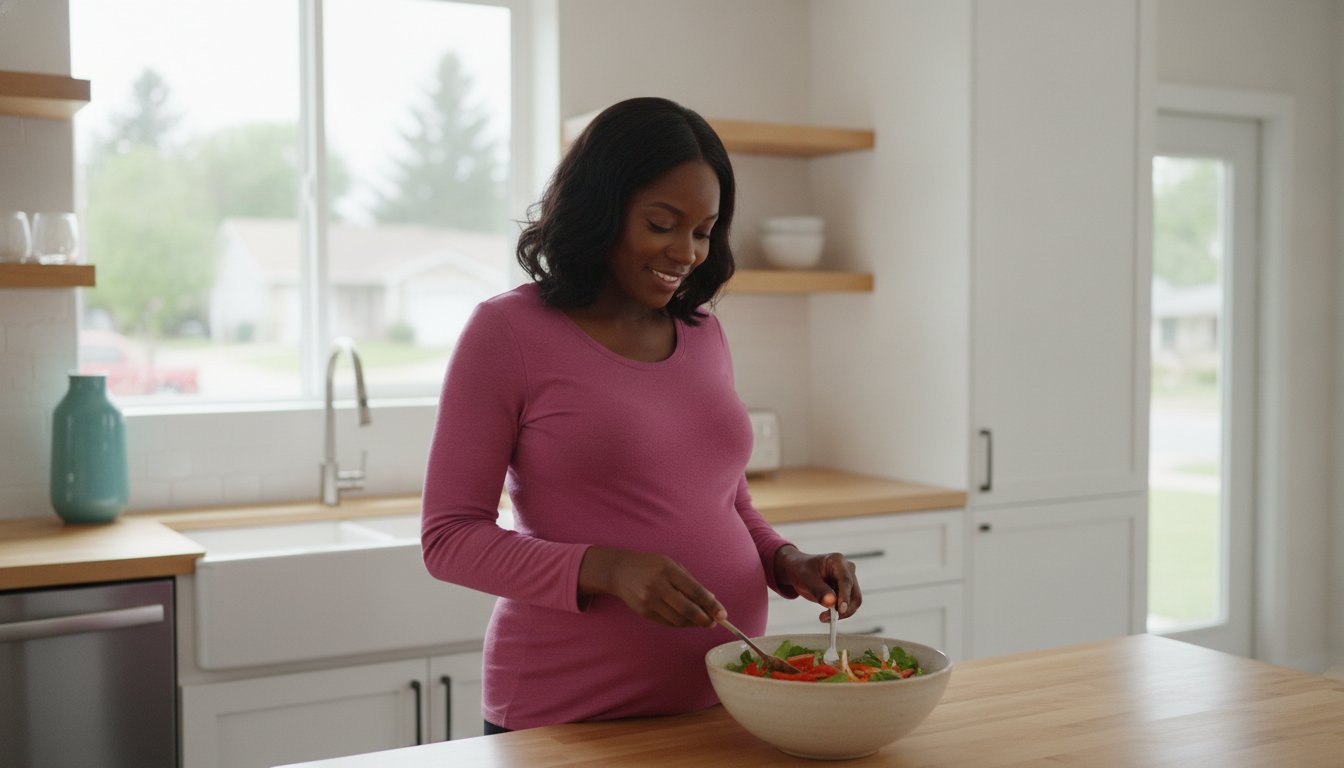
Watching the number on the scale climb during pregnancy can feel unsettling, especially when you’ve spent years trying to keep it steady. But I want you to reframe that thinking. Pregnancy weight gain isn’t just about you; it’s a beautiful and necessary part of building a healthy baby. It’s the physical evidence of the life-sustaining world you are creating inside your body.
Think of it as the most important construction project of your life. Every pound has a purpose, from the amniotic fluid that cushions your little one to the extra blood circulating to deliver vital nutrients. This guide is here to walk you through that process, replacing anxiety with confidence and confusion with clarity. We’ll explore the official guidelines, understand where the weight goes, and share practical, non-judgmental tips for a healthy journey.
Discover a supportive, medically-backed framework for managing pregnancy weight gain while nurturing your body and your growing baby.
Understanding the Foundation of Healthy Pregnancy Weight Gain
Your body is intelligently designed to gain weight during pregnancy, creating a protective and nourishing environment for your baby’s development. Your starting point helps your doctor tailor your care plan.
The most widely accepted framework for gestational weight gain comes from guidelines established by the Institute of Medicine (IOM) and adopted by the American College of Obstetricians and Gynecologists (ACOG). These guidelines use your pre-pregnancy Body Mass Index (BMI) to suggest a healthy range for your total weight gain. It’s crucial to remember that these are ranges, not rigid targets, designed to reduce anxiety and accommodate the beautiful diversity of bodies and pregnancies.
The BMI Starting Point: Why It Matters
Your pre-pregnancy BMI helps your healthcare provider recommend a weight gain range that supports the best possible outcomes for you and your baby. BMI is a clinical tool used to estimate body fat based on height and weight; it is not a measure of your worth or health on its own.
The IOM and ACOG categorize pre-pregnancy BMI and provide the following general recommendations for a single pregnancy:
- Underweight (BMI less than 18.5): Recommended gain is 28–40 pounds.
- Normal Weight (BMI 18.5–24.9): Recommended gain is 25–35 pounds.
- Overweight (BMI 25.0–29.9): Recommended gain is 15–25 pounds.
- Obese (BMI 30.0 or greater): Recommended gain is 11–20 pounds.
Research suggests these ranges help optimize health for both parent and baby. If you are pregnant with twins or other multiples, your provider will give you a different roadmap for weight gain, as your body has even more work to do.
The Benefits of Staying Within Recommended Ranges
Gaining weight within these suggested ranges can help set the stage for a smoother pregnancy and postpartum recovery. It’s associated with a lower risk of complications like gestational diabetes, high blood pressure (preeclampsia), and preterm birth.
However, it’s important to know that many people struggle to stay within these guidelines. According to data from the CDC, only about one-third of women gain within the recommended range, with many gaining more than advised. The goal is not perfection but progress and open communication with your doctor about what’s realistic for you.
The Trimester-by-Trimester Roadmap: Where the Weight Goes
One of the biggest fears I hear from new moms is, “Where is all this weight going?” The answer is reassuring: Most of your gain supports the life-sustaining systems your baby needs.
The baby itself is only a fraction of the total number you see on the scale. The rest is a complex and beautiful combination of tissues and fluids that your body creates to grow, protect, and nourish your little one. It’s a poetic transformation, with every ounce playing a vital role.
Breaking Down the Gain: Placenta, Fluid, and Baby
When you step on the scale, you’re not just measuring body fat. You’re measuring the weight of an entire ecosystem. For a person who gains around 30 pounds, here’s an approximate breakdown of where that weight goes:
- Baby: 7–8 pounds
- Increased Blood Volume: 3–4 pounds
- Increased Fluid Volume: 2–3 pounds
- Uterus: 2–3 pounds
- Breast Tissue: 1–3 pounds
- Amniotic Fluid: ~2 pounds
- Placenta: 1–1.5 pounds
- Maternal Fat Stores (for energy and breastfeeding): 5–9 pounds
Seeing it laid out like this helps shift the focus from a simple number to the incredible work your body is doing.
Timing Your Progress: First vs. Third Trimester
Weight gain isn’t linear; it ebbs and flows with the stages of your pregnancy. Many women are surprised by how little they gain in the beginning and how rapidly it seems to appear toward the end.
In the first trimester, it’s common to gain only 1–5 pounds total. Morning sickness and food aversions can sometimes make it hard to eat, so minimal gain is perfectly normal. Your baby is still tiny, and your body is focused on building the foundational structures, like the placenta.
During the second and third trimesters, a steadier rhythm of about 1 pound per week is often expected for those with a “normal” pre-pregnancy BMI. This is when your baby goes through major growth spurts, and your body builds up its reserves. Remember, these “growth spurts” in pregnancy are normal and expected, so don’t be alarmed by weekly fluctuations.
Nutrition Beyond the “Eating for Two” Myth
The old saying “eating for two” can be misleading. A more accurate approach is to focus on nourishing your body with high-quality fuel rather than simply doubling your portions.
The goal is to increase nutrient density, not just volume. Your body needs more vitamins, minerals, and protein to build a healthy baby, but its caloric needs don’t skyrocket as much as you might think. This shift in mindset can help you feel empowered, not overwhelmed, by your nutritional choices.
Caloric Needs: Quality Over Quantity
According to ACOG, your caloric needs change throughout pregnancy. Here’s a general guide for a single pregnancy:
- First Trimester: No extra calories needed.
- Second Trimester: About 340 extra calories per day.
- Third Trimester: About 450 extra calories per day.
What does 340 calories look like? It’s not a second dinner. It could be a cup of Greek yogurt with a handful of almonds, an apple with two tablespoons of peanut butter, or a hard-boiled egg and a piece of whole-wheat toast. Focusing on protein, iron, and folate-rich foods is especially important for your baby’s brain and spinal cord development.
If you’re dealing with nausea, some parents find that eating smaller, more frequent meals throughout the day can help manage symptoms and ensure you and your baby are getting consistent fuel. If you’re struggling with nausea late in your pregnancy, this strategy can be a lifesaver.
Managing Cravings and Aversions Gracefully
Cravings for salty chips and aversions to green vegetables are a real and often frustrating part of pregnancy. It’s okay. Giving in to a craving is part of the experience, and there’s no need for guilt.
One helpful strategy is “crowding out” less nutritious choices. Instead of forbidding the ice cream, try having a fiber-rich snack first, like a pear or some whole-grain crackers. You might find you’re satisfied with a smaller portion of the treat. And when you can, try to find healthier swaps—like a fruit smoothie instead of a milkshake.
This journey of nourishing your body also helps prepare you for the next stage. Thinking ahead about your postpartum needs, like figuring out how to get a free breast pump through your insurance, can ease your mind and set you up for success after delivery.

Practical Strategies for Managing Your Gain with Confidence
Building a healthy environment for your baby is about small, consistent lifestyle choices, not a restrictive diet. A balanced daily routine that includes gentle movement and mindful eating creates the best environment for your baby to thrive.
The key is to create a sense of partnership with your body and your healthcare provider. This isn’t about controlling your weight; it’s about supporting your body as it performs this incredible feat.
Safe Movement and Prenatal Exercise
Movement is a powerful tool for managing weight gain, boosting your mood, and preparing your body for labor. ACOG recommends that most pregnant people get at least 150 minutes of moderate-intensity aerobic activity each week.
This can be broken down into 30-minute sessions five days a week. Low-impact options are often best, especially as your center of gravity shifts. Consider activities like:
- Walking
- Swimming or water aerobics
- Prenatal yoga
- Stationary cycling
These activities can help you feel strong and energetic. Always remember to consult your doctor before starting any new fitness routine to ensure it’s safe for you and your specific pregnancy.
Tracking Progress Without the Stress
For some, daily weigh-ins can become a source of anxiety. Unless your doctor has specifically asked you to track your weight daily, it’s often more helpful to focus on other indicators of health, like your energy levels, how your clothes fit, and how you feel overall.
If your provider does recommend tracking, consider weighing yourself just once a week, at the same time of day, to get a more consistent picture. Remember that your healthcare provider is your best resource for interpreting your individual progress. They can see the bigger picture of your health and your baby’s growth, which a simple number on a scale can never capture.
Embracing Your Changing Body and Partnering with Your Doctor
Your body is performing a miracle, and it is okay to feel a mix of emotions about the physical changes that come with it. The emotional transition of seeing the scale go up is a real and valid part of the pregnancy journey.
It’s important to give yourself grace. Many of us have felt this way too. Finding ways to communicate effectively with your OB-GYN or midwife can make all the difference, transforming feelings of judgment into a sense of partnership.
Navigating the Mental Health Aspect of Weight Change
For anyone with a history of body image struggles or disordered eating, pregnancy can be particularly challenging. Focusing on body positivity or even “body neutrality”—accepting your body for what it is doing without judgment—can be a helpful tool.
Celebrate what your body can do. It’s growing a human! It’s creating organs, limbs, and a brand-new life. If you find that thoughts about your weight gain are causing significant distress, please don’t hesitate to seek support from a therapist or counselor specializing in perinatal mental health. You are not alone in this.
When to Talk to Your Healthcare Provider
While steady weight gain is normal, certain patterns can be red flags. Be sure to contact your doctor about a sudden, noticeable increase in weight, especially when it’s paired with other symptoms like significant swelling in your hands and face, severe headaches, or vision changes, as this can be a sign of preeclampsia.
Feel empowered to ask your provider questions that go beyond the number on the scale. Try asking, “How is my gain specifically affecting my baby’s growth?” or “What lifestyle changes would be most beneficial for me right now?” This shifts the conversation from a number to your overall well-being.
As you near your due date, reducing stress becomes even more important. Getting practical tasks done early, like packing your hospital bag, can make a huge difference. Our guide on the ultimate hospital bag checklist can help you feel prepared and in control.
Frequently Asked Questions
Is it ever safe to lose weight during pregnancy if I am overweight?
Intentional weight loss is generally not recommended during pregnancy. However, for some women with a higher pre-pregnancy BMI, a doctor may supervise a plan that results in minimal gain or even a slight loss. This should only be done under strict medical guidance to ensure the baby is receiving adequate nutrition.
What should I do if I am not gaining enough weight in my second trimester?
If you’re concerned about your weight gain, talk to your doctor or midwife. They may suggest strategies like eating small, frequent, nutrient-dense meals and snacks. Adding healthy fats like avocado, nuts, and olive oil can also help increase your caloric intake without adding a lot of volume.
How much extra should I eat if I am pregnant with twins?
Carrying twins requires more energy. While there’s no single official recommendation, many experts suggest an additional 600 calories per day, but this varies. Your provider will give you a personalized weight gain goal, which is typically higher than for a single pregnancy (often in the 37-54 pound range for someone with a normal BMI).
Can morning sickness prevent me from gaining healthy weight early on?
Yes, it’s very common. Many women gain very little—or even lose a few pounds—in the first trimester due to nausea and vomiting. As long as you’re staying hydrated, this is usually not a cause for concern. Most people find their appetite returns in the second trimester and they catch up on their weight gain.
Does my pre-pregnancy fitness level affect how much weight I will gain?
Your fitness level can influence your pregnancy, but the recommended weight gain ranges are based on BMI, not muscle mass or activity level. Being active before and during pregnancy can help you manage your gain, reduce discomfort, and prepare for labor, but the same general guidelines still apply.
What happens if I gain more than the recommended amount of weight?
Gaining more than the recommended amount is very common and doesn’t automatically mean there will be problems. However, it can increase the risk of having a larger baby, needing a C-section, and developing gestational diabetes or high blood pressure. Your doctor will monitor you and your baby closely and help you manage your health.
How do I talk to my doctor if I feel judged about my weight gain?
It’s important to have a provider you trust. You can start the conversation by saying something like, “I’m feeling anxious about my weight, and I want to make sure we’re on the same page. Can we talk about what’s most important for the baby’s health right now?” This frames the conversation around health outcomes, not just numbers.
Will gaining the “right” amount of weight make it easier to lose postpartum?
Staying within the recommended ranges can make postpartum weight loss more manageable, as you will have less excess body fat to lose after the baby, placenta, and extra fluids are gone. However, every body is different, and factors like genetics, diet, and activity level all play a role in your postpartum journey.
Disclaimer
Pregnancy Magazine content is based on the latest research and information available, but is not meant to be medical advice or instruction. See a medical professional for direction for your specific situation or case.
We strive to be objective in our buyer's guide reviews and usually compare a variety of products in a category. Pregnancy Magazine is supported by sales from referring links.


